Scientists Design Safer Soccer Balls to Protect Players
Researchers discovered how to redesign soccer balls to reduce brain impact during headers, offering hope for preventing neurological diseases in players. The breakthrough could protect future generations of athletes while keeping the beautiful game intact.
Scientists at Loughborough University just made a discovery that could protect soccer players' brains without changing how the game is played.
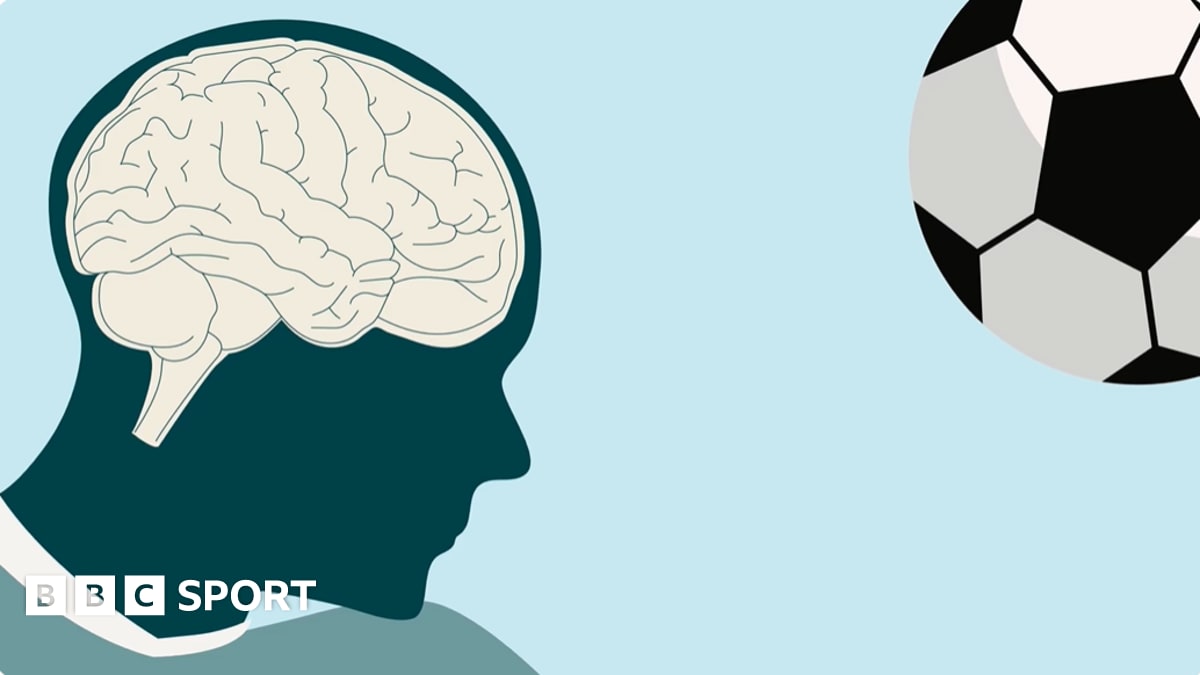
For the first time, researchers measured a pressure wave that transfers energy directly into the frontal region of the brain when a player heads a ball. The team found this energy transfer varied by up to 55 times between different ball designs, opening the door to creating safer equipment.
The research tested balls from across a century of soccer, striking an advanced model head at match speeds with a specialist pressure sensor inside. The results surprised everyone: old leather balls weren't necessarily more dangerous than modern ones.
"There are examples of balls that transfer high or low energy through all eras of play," said Professor Andy Harland, who led the sports technology team. The amount of energy transferred depended on ball design, speed, and whether the ball was wet or dry, not just its age.
The study comes as soccer faces growing concern about brain injuries and neurological diseases in retired players. A 2019 study found professional footballers were 3.5 times more likely to develop neurodegenerative disorders than the general population.
Former players like Gordon McQueen, who died in 2023 at age 70, and Jeff Astle have become tragic symbols of this issue. A coroner ruled in January that repeatedly heading balls likely contributed to McQueen's vascular dementia and chronic traumatic encephalopathy.
The Bright Side
This research offers something previous studies couldn't: a path forward that protects players without eliminating headers from the game. Dr. Ieuan Phillips, the lead researcher, explained that this discrete pulse of energy can be minimized through better ball design and testing specifications.
"Most excitingly, it gives us the opportunity to make changes to the ball," Phillips said. Unlike changes that would alter how the game is played, redesigning balls to reduce this pressure wave could happen without players even noticing.
The Football Association has already started taking action. They've banned heading in under-11s football and issued guidelines limiting high-force headers in training. Scotland went further, banning heading the day before and after professional matches.
Charlotte Cowie, the FA's Chief Medical Officer, called the research "innovative and previously undiscovered insight." The findings have been shared with FIFA and UEFA, setting the stage for global changes that could protect millions of players worldwide.
The beautiful game just got a little safer, one redesigned ball at a time.
More Images




Based on reporting by BBC Sport
This story was written by BrightWire based on verified news reports.
Spread the positivity!
Share this good news with someone who needs it