Scientists Detect Measles in Sewers Before Hospitals Do
Researchers are using wastewater testing to spot measles outbreaks up to a week before the first person walks into a doctor's office. This breakthrough could help communities stop the highly contagious virus from spreading.
Scientists have found a powerful new way to catch measles outbreaks early, and it starts in an unlikely place: our sewers.
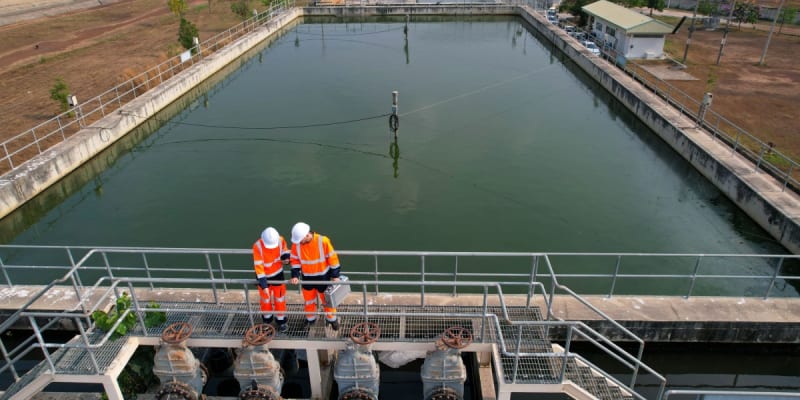
Researchers at Emory University and Stanford University developed a test that can detect measles virus in wastewater. When they tried it at two Texas treatment plants, they found measles RNA a full week before the first official case was diagnosed in the area.
The timing matters because measles spreads incredibly fast. One infected person can pass it to 90% of nearby unvaccinated people. Getting a head start on outbreaks means health officials can launch vaccination campaigns and prevent deaths before the virus gains momentum.
The same wastewater surveillance approach helped track COVID-19 during the pandemic. Now scientists are expanding the toolkit to catch other diseases hiding in communities, especially among people who can't easily access healthcare.
A Canadian team took the technology even further. Researchers at the University of Windsor tested wastewater from a facility serving 30,000 people in Leamington, Ontario. They compared their results with hospital records and discovered something striking: the true number of measles cases was five to 10 times higher than official counts showed.
That gap reveals how many infections go unreported. Kids with mild symptoms might never see a doctor. Families without insurance might skip the clinic. But the virus shows up in wastewater regardless of who gets tested.
The technology has real limits. Wastewater tests can't tell you exactly who has measles or pinpoint which neighborhood needs help. Scientists are still learning how to translate virus levels in sewers into accurate case counts.
The Ripple Effect
Since May of last year, the WastewaterSCAN program has been testing samples across the United States for measles. They publish their findings online and share them directly with public health officials who can act on the data.
This early warning system could be a game changer for communities facing outbreaks. Local health departments can set up vaccination clinics, alert schools and daycares, and reach out to vulnerable populations before a single person shows up sick.
The measles vaccine has saved nearly 59 million lives since 2000, according to the World Health Organization. Pairing that proven lifesaver with smart surveillance technology gives us a better shot at protecting everyone.
Scientists are proving that the water flowing beneath our streets carries valuable secrets about our health, and those secrets could help keep our neighbors safe.
Based on reporting by MIT Technology Review
This story was written by BrightWire based on verified news reports.
Spread the positivity!
Share this good news with someone who needs it