Scientists Digitize World's Rarest Porpoise to Save Species
Researchers created a 3D digital skeleton of the vaquita porpoise, with only 7-10 left alive in the wild. The free online model lets scientists worldwide study this critically endangered species without risking damage to rare physical specimens.
Scientists just gave the world's rarest marine mammal a fighting chance by preserving its skeleton in stunning digital detail.
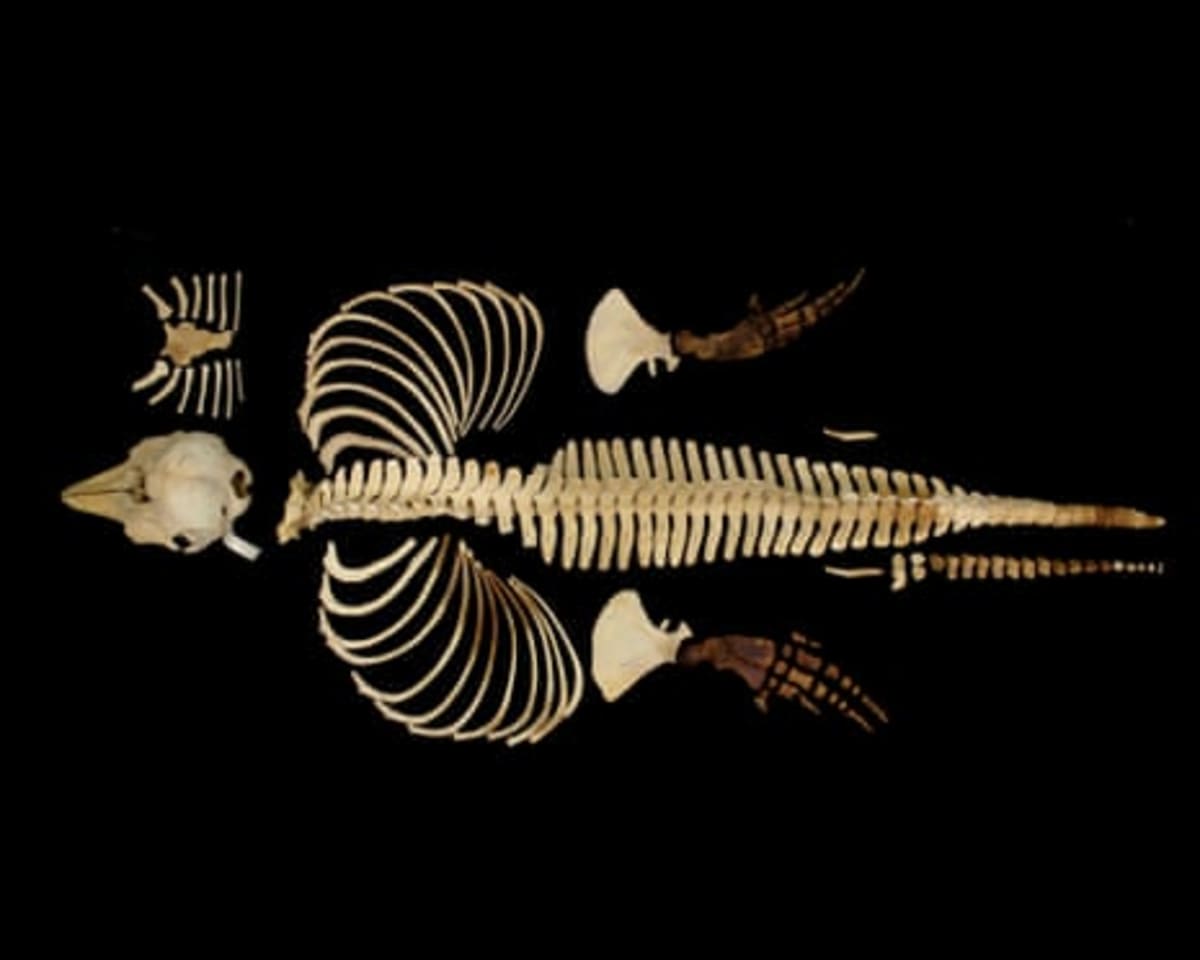
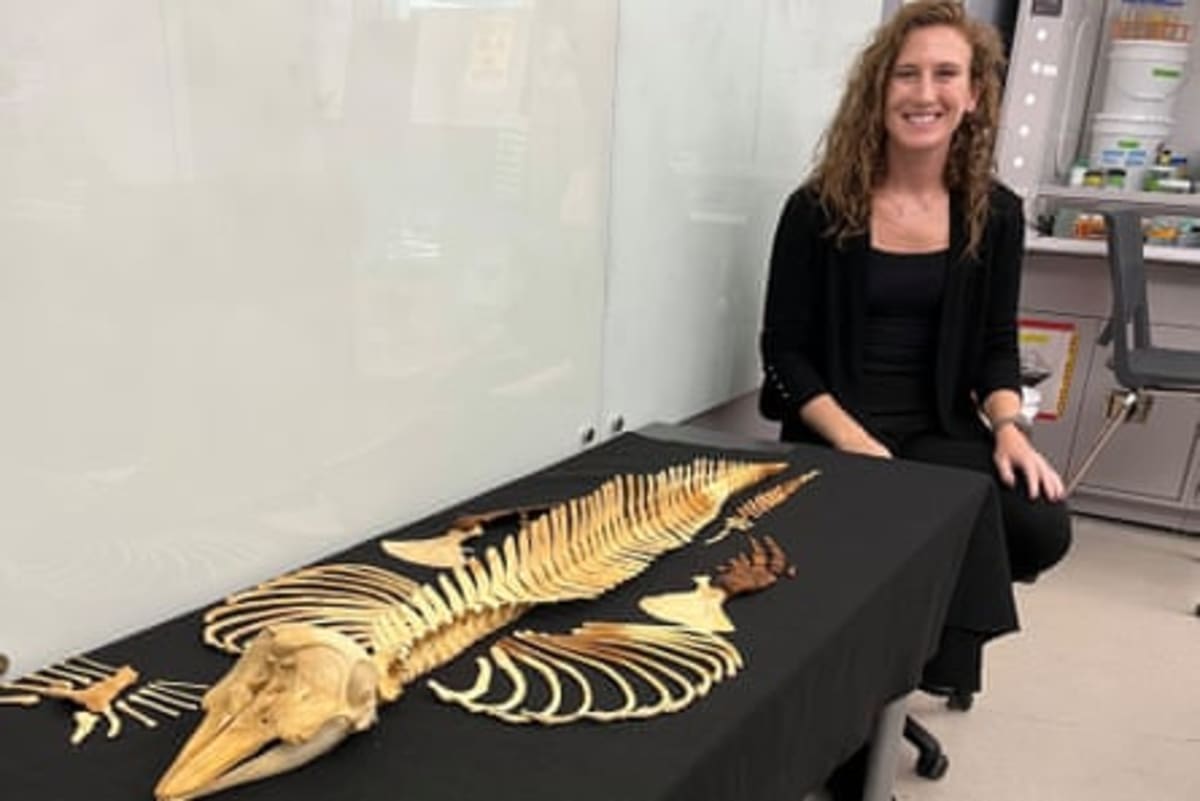
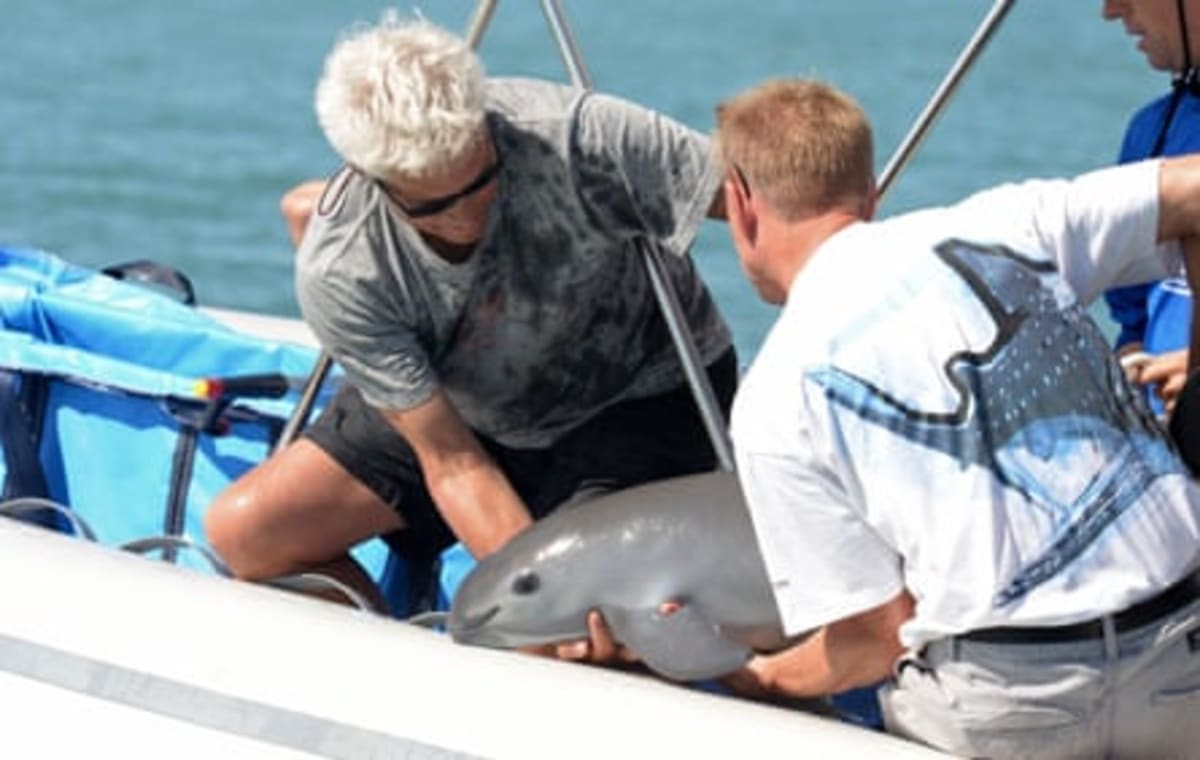
A team led by Florida Atlantic University created a complete 3D reconstruction of a vaquita porpoise skeleton using advanced medical imaging and microscopic CT scans. The tiny porpoise, found only in Mexico's Gulf of California, has dwindled to between seven and 10 individuals in the wild.
The digital model captures every detail, from the complete five-foot skeleton down to bone structures thinner than a human hair. Researchers combined thousands of scan slices to build the three-dimensional model, based on a complete female skeleton collected in 1966.
Lead researcher Jamie Knaub said making the imaging freely available online opens doors for conservation efforts worldwide. "There's this whole web of information that can be shared to study biodiversity, conservation, evolution," she explained.
The timing couldn't be more critical. In 1997, about 600 vaquitas swam in Mexican waters. Today, illegal fishing nets targeting totoaba fish have pushed the species to the brink of extinction.
Physical vaquita skeletons are so rare that museums hesitate to loan them out for fear of damage. The digital model solves this problem by letting any scientist access the complete skeleton from their computer.
The Ripple Effect
This breakthrough reaches far beyond one endangered porpoise. The imaging technology can now produce accurate replicas for museum exhibits and classrooms, introducing students around the world to a species most will never see in person.
Museums worldwide are racing to digitize their collections before specimens deteriorate or species disappear entirely. Projects like oVert in the US and Ozboneviz in Australia are building digital libraries of rare animals, making biodiversity research possible for scientists who can't travel to view originals.
The vaquita wasn't even recognized as its own species until 1958. Distinguished by dark markings around its eyes and mouth, it's the smallest member of the whale, dolphin and porpoise family.
Now researchers can study its anatomy in microscopic detail without ever touching the fragile bones. The model preserves knowledge that might otherwise vanish if the species goes extinct.
Conservation awareness grows stronger when people can see what they're fighting to save, and this digital skeleton brings the vaquita into classrooms and labs that never had access before.
More Images

Based on reporting by Guardian Environment
This story was written by BrightWire based on verified news reports.
Spread the positivity!
Share this good news with someone who needs it