Scientists Discover 1,121 New Ocean Species in Just One Year
A global Ocean Census has revealed over 1,100 potentially new marine species, including carnivorous sponges, ghost sharks, and worms living inside glass castles. The discoveries prove we're speeding up ocean exploration just in time to protect life we've never seen before.
Scientists just discovered more than 1,100 new ocean species in a single year, proving there's still magic hiding in our seas.
The Ocean Census, a partnership between Japan's Nippon Foundation and the UK's Nekton Institute, announced the discovery of 1,121 potentially new marine species between April 2025 and March 2026. In just three years since launching, the project has found over 2,000 new species total.
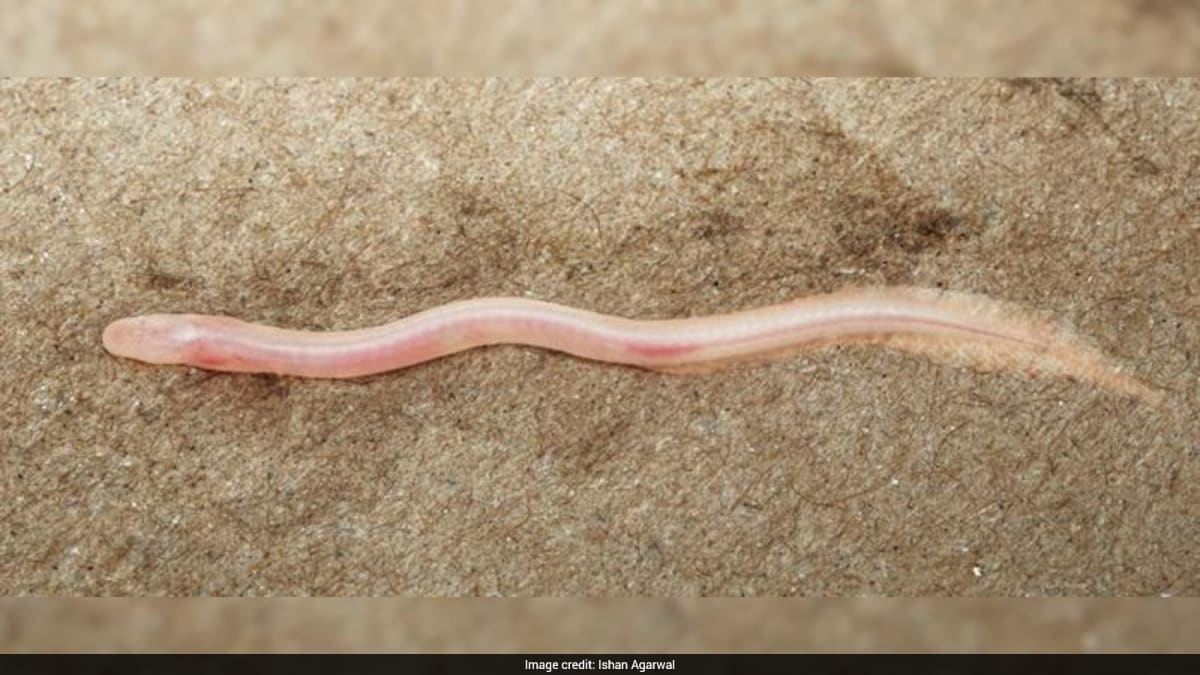
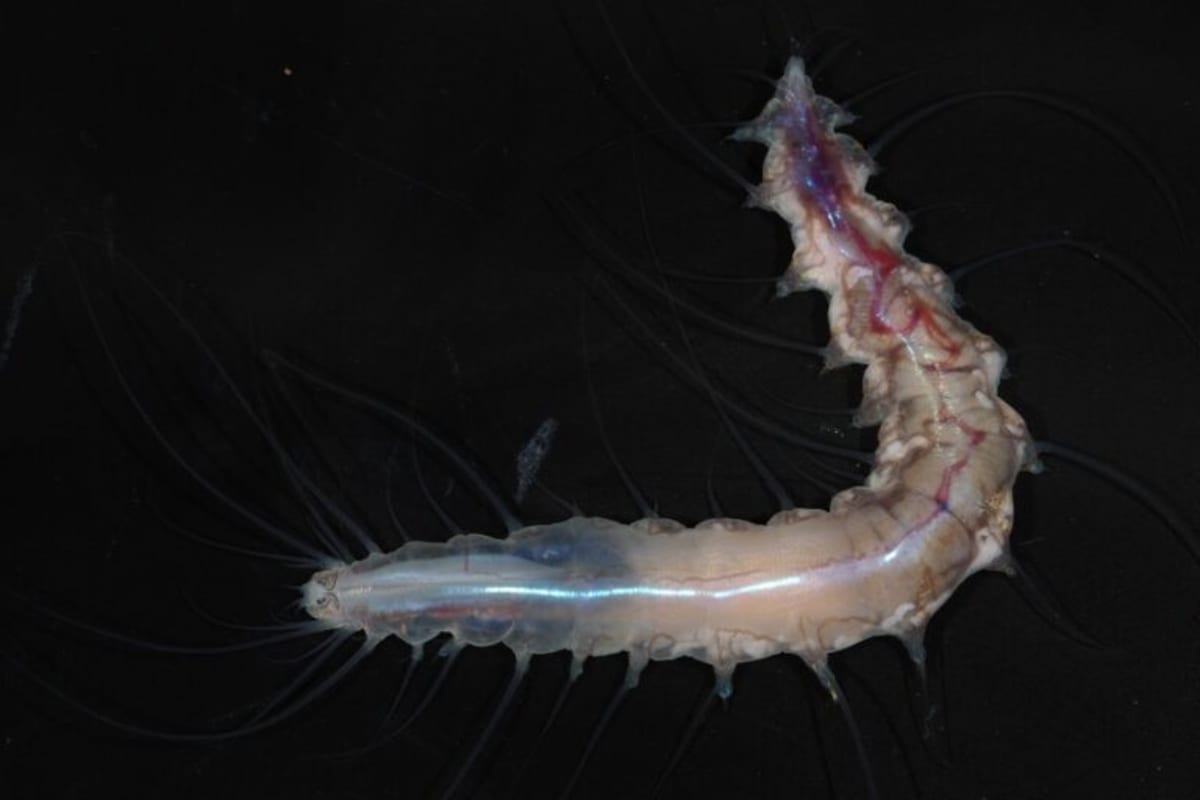
Among the most fascinating discoveries is a tiny worm that lives inside what scientists call a "glass castle." The polychaete worm was found 2,595 feet deep off Tokyo, living inside a glass sponge that builds castle-like structures from silica. The worm gets protection from the sponge's spiky glass spines, while the sponge gains nutrients from its tiny tenant.
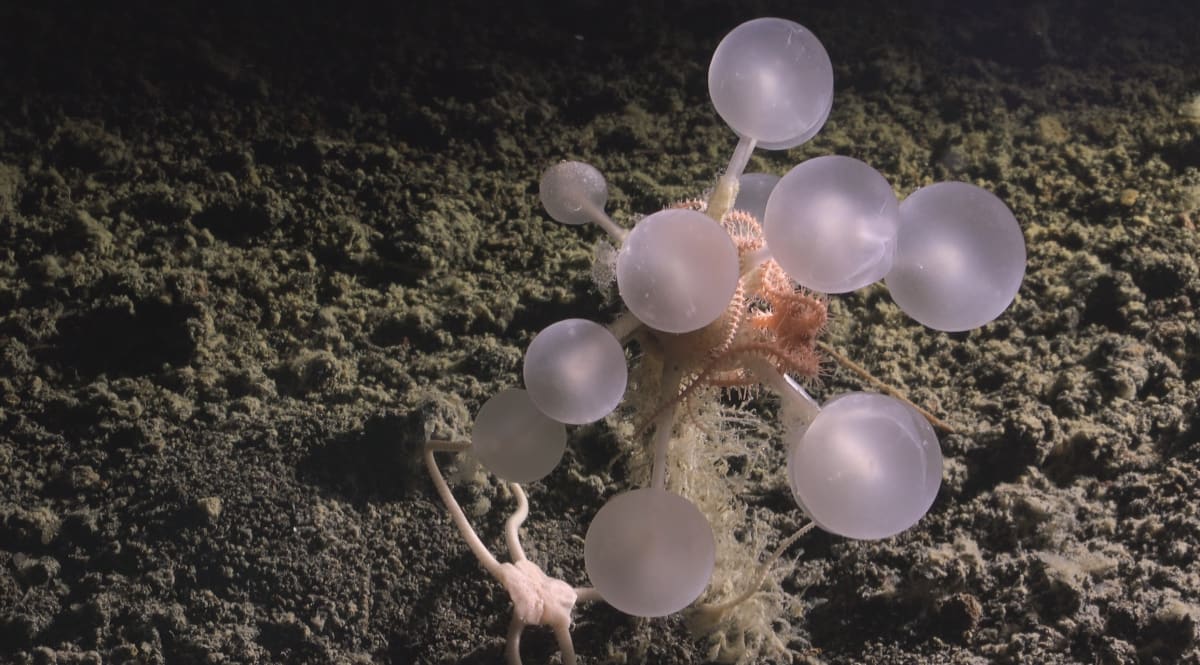
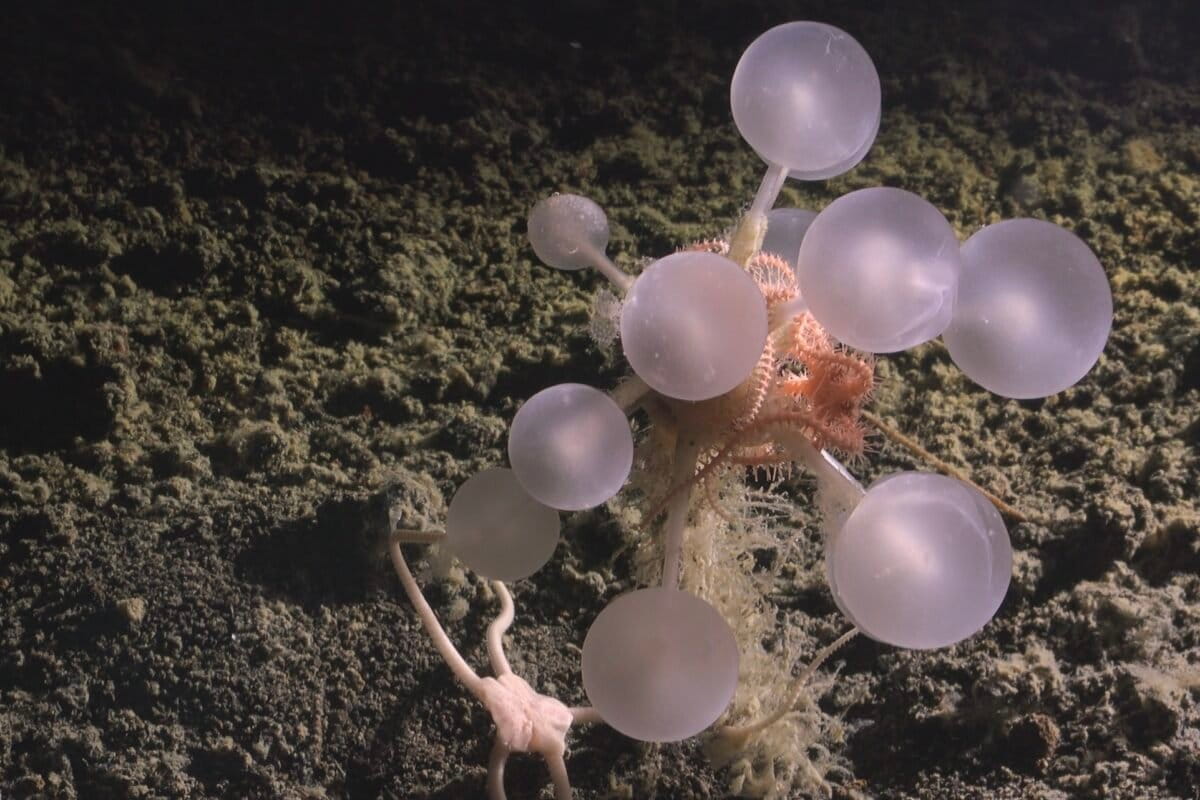
Scientists also discovered a carnivorous "death ball sponge" nearly 12,000 feet deep in the South Atlantic Ocean. Unlike typical sponges that passively filter water for food, this predator uses velcro-like hooks to grab passing crustaceans, then wraps around and digests them.
Other remarkable finds include a new ghost shark species off Australia's Queensland coast, a vibrant ribbon worm near Timor-Leste, and a shrimp living in a sea cave off Marseille, France.
The Bright Side
The really exciting news is how scientists are speeding up the discovery process. Traditionally, new marine species took an average of 13.5 years to officially describe and name, sometimes 24 years for sponges because so few experts exist.
Now researchers are using a digital platform called NOVA to fast-track descriptions. Scientists worldwide can quickly upload images, data, and DNA barcodes for newly discovered species. "Previously, a specimen might sit invisible in a museum vault for decades before being described," says Michelle Taylor, head of science at Ocean Census.
The team increased the global annual marine discovery rate by 54% this year. That matters because we're racing to find and protect ocean life before climate change and habitat loss destroy species we never knew existed.
Every new discovery gives scientists better tools to protect our oceans and the incredible life within them.
More Images

Based on reporting by Mongabay
This story was written by BrightWire based on verified news reports.
Spread the positivity!
Share this good news with someone who needs it