Scientists Discover Bumblebees Love to Play
Bumblebees aren't just busy workers. New research shows these tiny insects actually enjoy playing, revealing surprising intelligence that changes how we understand their behavior.
Forget everything you thought you knew about bumblebees being all work and no play.
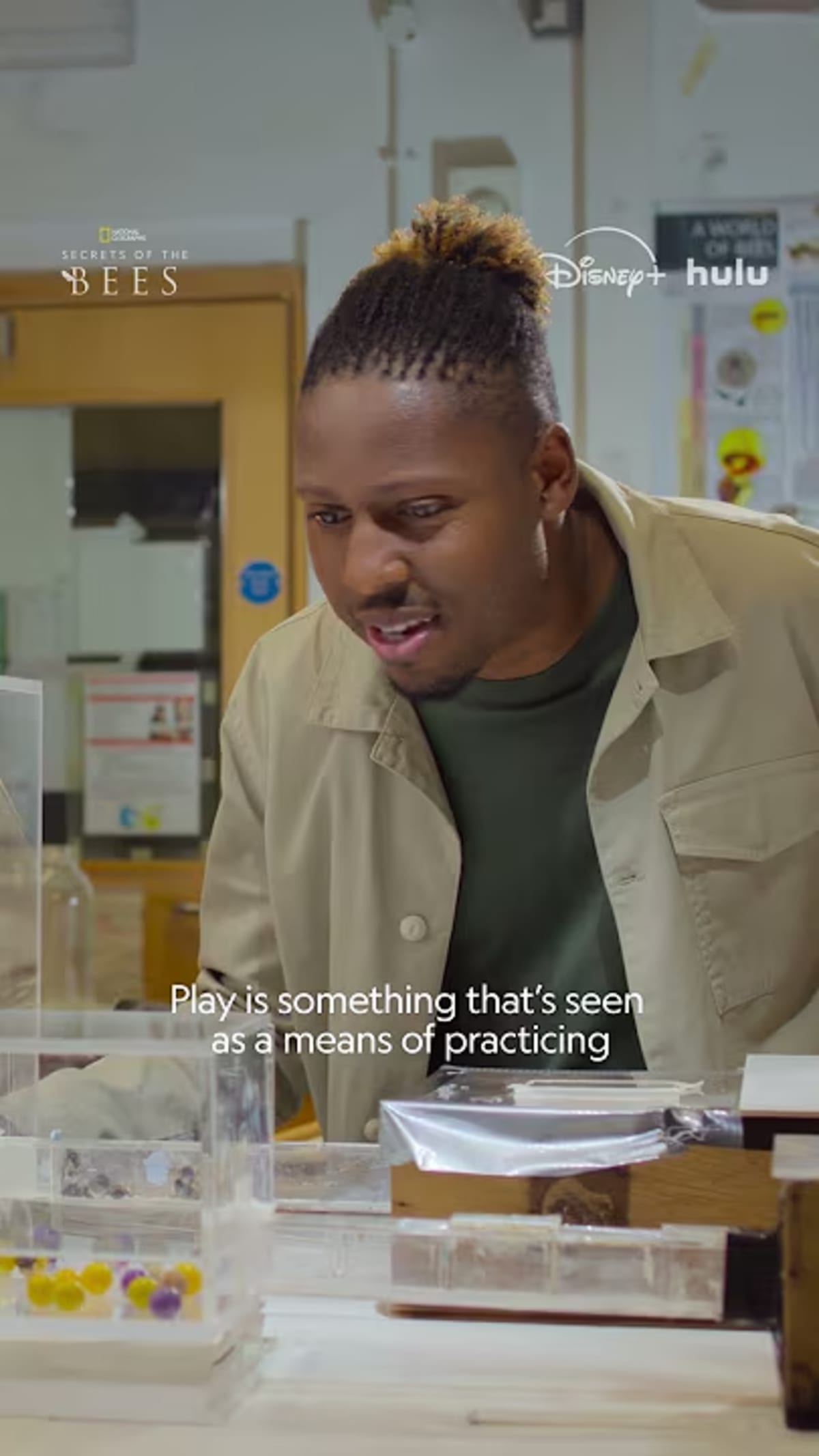
Scientists Dr. Sammy Ramsey and Dr. Alice Bridges just discovered something extraordinary. In a groundbreaking study featured in National Geographic's "Secrets of the Bees," they found that bumblebees engage in playful behavior, something researchers never expected from insects.
The discovery challenges our long-held assumptions about bee intelligence. We've always known bees work hard, pollinating crops and building intricate hives, but play suggests a level of consciousness and joy we didn't think insects possessed.
The research reveals bumblebees choosing to interact with objects purely for enjoyment, not for food or survival. This playful behavior mirrors what we see in mammals and birds, creatures we typically consider more intelligent.
Why This Inspires
This tiny discovery carries huge implications for how we understand the natural world. If bumblebees can experience something like joy, it means the emotional lives of insects might be far richer than we imagined.
The findings also remind us that intelligence and emotion exist in unexpected places. These small pollinators, often overlooked as simple automatons, are experiencing their world in complex, meaningful ways.
Understanding bee behavior better could help conservation efforts too. When we recognize animals as thinking, feeling creatures, we're more motivated to protect them and their habitats.
The study adds urgency to protecting bee populations worldwide, which have declined dramatically in recent years. These aren't just biological robots maintaining ecosystems but intelligent beings deserving protection in their own right.
Next time you see a bumblebee, remember there's more happening in that tiny head than you think.
Based on reporting by National Geographic
This story was written by BrightWire based on verified news reports.
Spread the positivity!
Share this good news with someone who needs it