Scientists Discover First Drug Candidate for Zika Virus
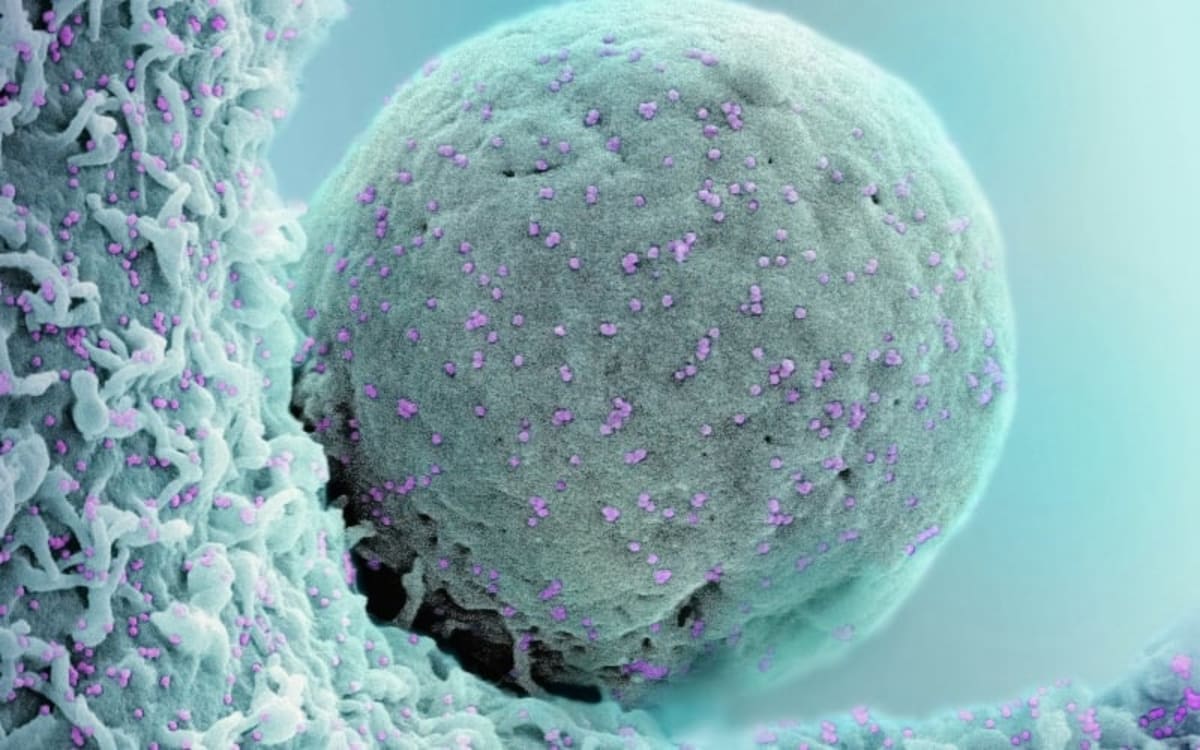
Researchers in Italy have developed the first promising drug to combat Zika virus, a mosquito-borne illness that can cause severe brain damage in babies. The breakthrough molecule also shows potential against dengue, yellow fever, and West Nile virus.
After years of searching, scientists may finally have a weapon against Zika virus. A research team at IRBM in Rome has discovered a small molecule that effectively blocks the virus in preclinical testing, offering hope for millions at risk from this devastating disease.
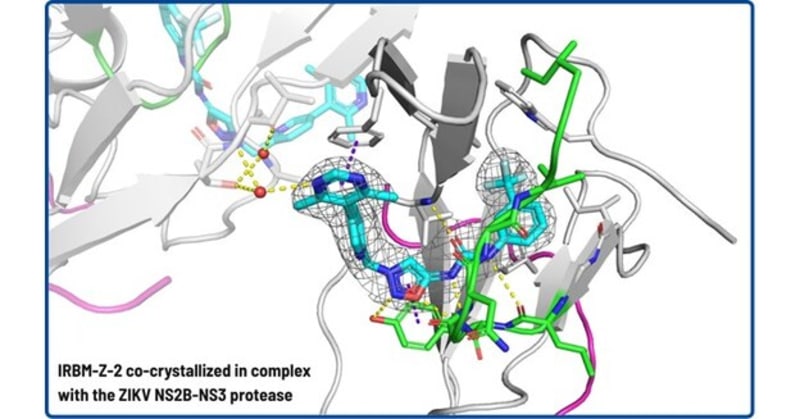
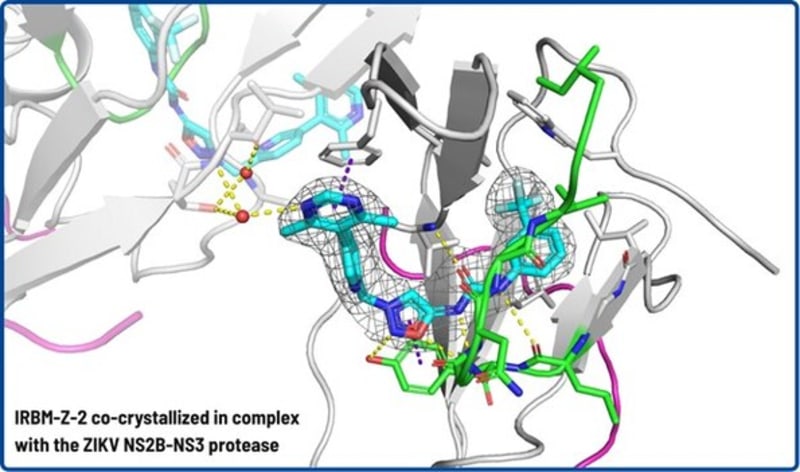
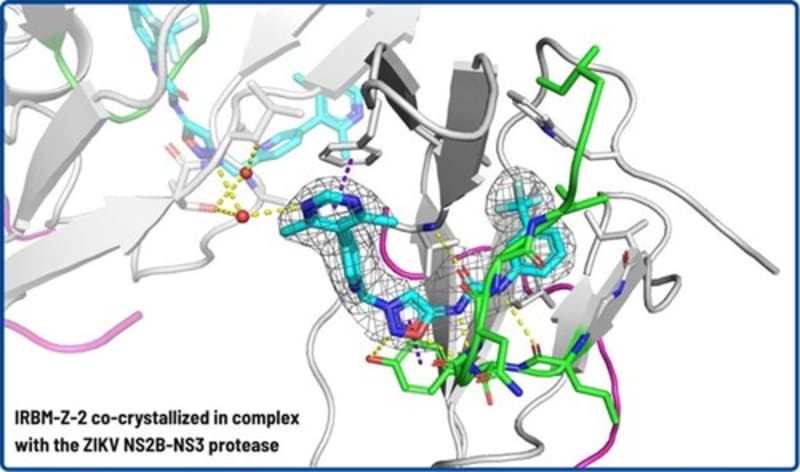
The new drug works differently than anything tried before. Instead of attacking the virus directly, it targets a hidden pocket on a key viral enzyme called NS2B-NS3 protease, essentially jamming the machinery Zika needs to multiply inside human cells.
IRBM scientists tested the molecule in both laboratory dishes and animal models, where it showed strong antiviral activity. Even better, the drug demonstrated a favorable safety profile and remained active in the body long enough to be effective, two crucial requirements for any medicine destined for human use.
Zika poses a particularly cruel threat to pregnant women. When mothers contract the virus, their babies can develop microcephaly, a condition where infants are born with abnormally small heads and incomplete brain development. Since the 2015-2016 outbreak that affected thousands of families across the Americas, no approved treatments or vaccines have emerged, leaving communities vulnerable.
The research team combined multiple cutting-edge techniques to speed up the process. They used high-throughput screening to test thousands of compounds, computational modeling to predict how molecules would behave, and iterative chemistry to refine their candidates. This integrated approach compressed years of traditional drug development into a faster timeline.
Chief Scientific Officer Carlo Toniatti says the discovery marks an important milestone in antiviral development. The team published their findings in Nature Communications, allowing scientists worldwide to build on this foundation.
The Ripple Effect
This breakthrough reaches beyond Zika alone. The same enzyme targeted by the new drug exists in other flaviviruses including dengue, which infects an estimated 400 million people annually, as well as yellow fever and West Nile virus. A single drug candidate that addresses multiple mosquito-borne diseases could transform public health preparedness in tropical and subtropical regions where these illnesses overlap.
The project demonstrates what public-private partnerships can achieve when focused on neglected diseases. Funded by the Region of Lazio and developed through collaboration between IRBM and CNCCS (a consortium including Italian research institutions), the work bridges the gap between academic discovery and clinical medicine. These diseases often receive less attention from pharmaceutical companies because they primarily affect lower-income populations, making government-supported research essential.
The next steps involve further safety testing and eventually human clinical trials. While the molecule still needs to prove itself effective and safe in people, this represents the most promising Zika drug candidate to emerge from any laboratory worldwide, giving researchers and affected communities genuine reason for optimism.
More Images


Based on reporting by Google News - Breakthrough Discovery
This story was written by BrightWire based on verified news reports.
Spread the positivity!
Share this good news with someone who needs it