
Scientists Discover How Common Virus Triggers MS
Researchers have finally cracked the code on how Epstein-Barr virus leads to multiple sclerosis, opening the door to better treatments for the 2.9 million people living with the disease worldwide. The breakthrough also reveals why existing immunotherapy drugs work so well at slowing the condition.
After years of knowing that a common virus causes multiple sclerosis, scientists have finally figured out exactly how it happens.
Researchers at Massachusetts General Hospital discovered that Epstein-Barr virus triggers specific immune cells called CD4+ T cells, which then mistakenly attack the protective coating around nerves in the brain and spinal cord. The finding, published in Science Translational Medicine, solves a puzzle that has stumped doctors for decades.
Epstein-Barr virus lives in about 90% of people worldwide. For most of us, it causes no harm. But for a small subset of the population, this herpesvirus becomes one of the main drivers of MS, a disease that affects vision, mobility, and quality of life.
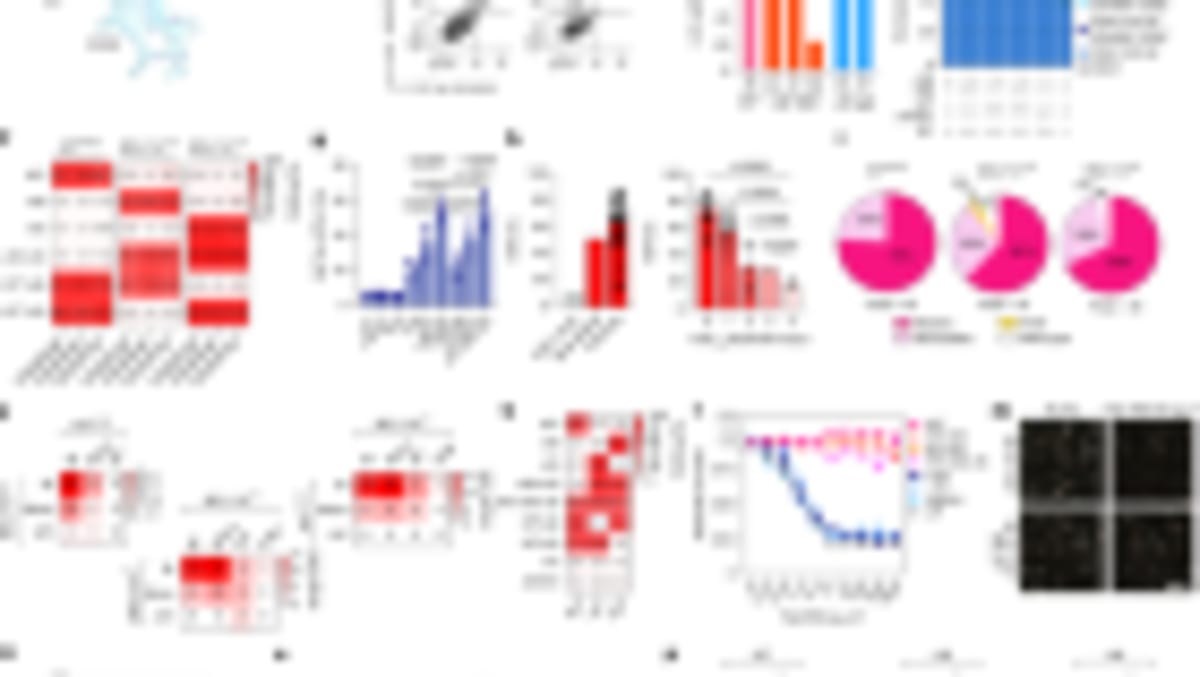
The research team found that people with MS had twice as many active CD4+ T cells responding to the virus compared to healthy people. When they removed these specific cells in lab tests, the immune response to Epstein-Barr dropped dramatically.
Even better, the study explains why current MS treatments work. The researchers tested 60 people with MS who were taking anti-CD20 therapy. Six months into treatment, their CD4+ T cell levels had dropped by 2.5 times, and the reduction lasted at least a year.
The drug works by destroying infected B cells, which gives the troublesome T cells fewer targets to respond to. With less stimulation, the immune system calms down and stops attacking nerve tissue as aggressively.
People on the treatment also had lower levels of Epstein-Barr virus in their saliva compared to those with untreated MS, suggesting the therapy reduces viral activity throughout the body.
Why This Inspires
This discovery represents real progress for millions of people. Understanding the mechanism means researchers can now design even more targeted treatments that shut down the disease at its source.
Emily Edwards, a rare diseases researcher at Monash University, says the findings show scientists are finally getting to the bottom of how this virus causes MS. The work validates current immunotherapy approaches while pointing the way toward new ones.
For people living with MS today, existing drugs already slow disease progression and reduce symptom flareups. Now, armed with this deeper understanding, the next generation of treatments can be more precise and effective.
The breakthrough transforms MS from a mysterious condition into one with a clear biological pathway we can interrupt and potentially prevent altogether.
More Images



Based on reporting by Google News - Health
This story was written by BrightWire based on verified news reports.
Spread the positivity!
Share this good news with someone who needs it