Scientists Discover New Species 1,000 Meters Deep
A state-of-the-art research ship off Indonesia is helping scientists explore ocean depths rarely seen by human eyes, revealing extraordinary creatures and potential medical breakthroughs. These submersible dives are making deep-sea research more accessible and inspiring a new generation of ocean explorers.
Scientists are bringing back stunning discoveries from nearly 1,000 meters below the ocean surface, where glowing jellyfish drift through total darkness and organisms thrive in some of Earth's harshest conditions.
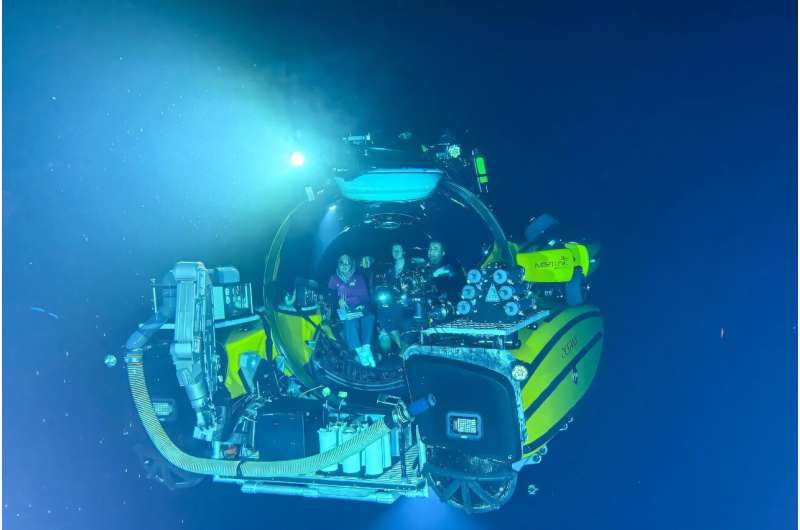
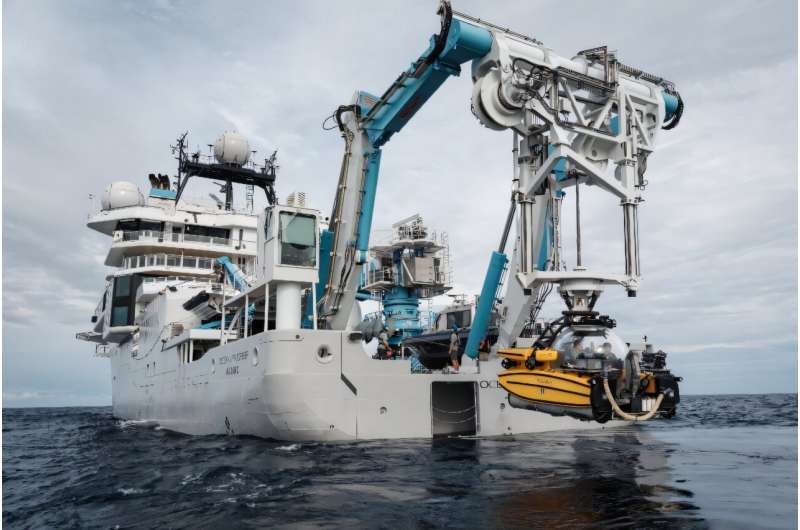
OceanX's research vessel OceanXplorer recently took Indonesian scientists on submersible dives to explore a seamount chain off Sulawesi island. The mission aims to discover new species, find plastic-eating microbes, and identify compounds that could lead to future medicines.
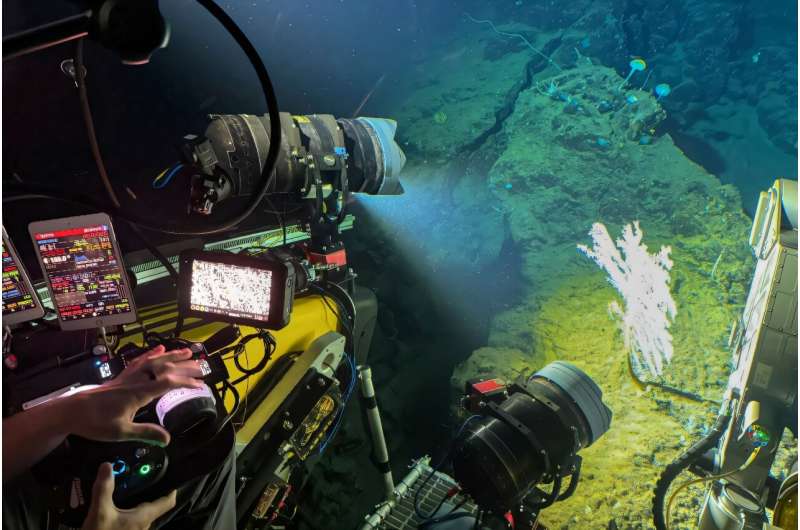
The experience transformed even skeptical researchers. Husna Nugrahapraja, an assistant professor making his first submersible dive, described watching delicate comb jellies pulse with fairy-light illuminations as they floated past. Silver fish skittered through clouds of marine snow while translucent siphonophores glowed in fanciful shapes.
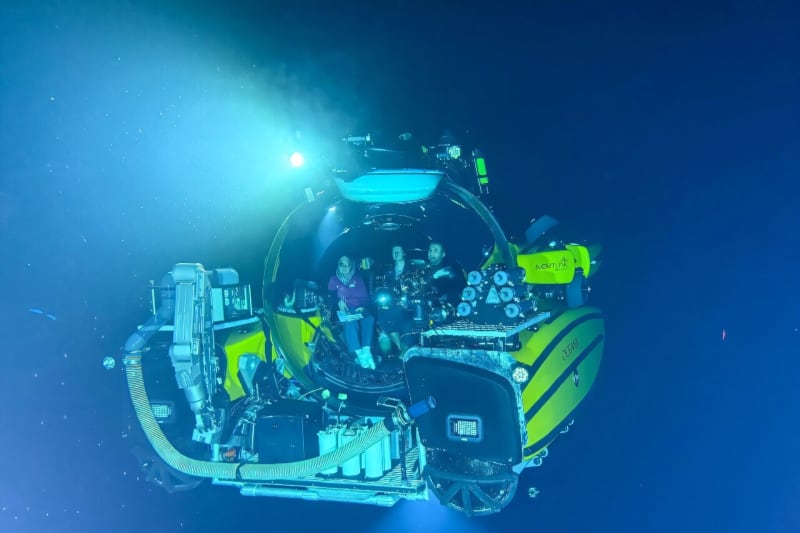
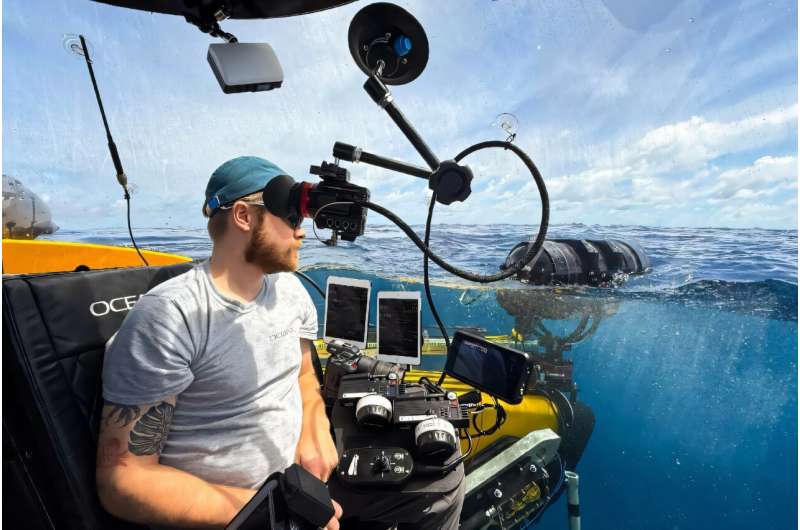
The two-person submersibles offer scientists something remote vehicles cannot: a nearly 360-degree view of the ocean floor. Dave Pollock, who heads OceanX's submersible team, says researchers consistently change their minds about the value of crewed dives once they experience it themselves.
One of the most memorable moments happens when the lights go out. After the crew covers even the control panel, the submersible flashes its powerful beams while everyone closes their eyes. When they open them again, a galaxy of bluish-white stars appears as plankton, jellyfish, shrimp and fish respond with bioluminescence.
The ship combines cutting-edge technology with accessibility. It features labs for genetic sequencing, a helicopter for aerial surveys, and a remotely operated vehicle that can dive to 6,000 meters. The submersibles use hydraulic collection arms, suction tubes and high-definition cameras to document their findings.
The Ripple Effect
OceanX believes compelling images and firsthand experiences make marine research more impactful. By bringing scientists directly into deep-sea environments and capturing stunning footage, they're helping people connect with a world most will never see. Indonesian researchers are now surveying biodiversity in waters previously unexplored, building local expertise that will protect these ecosystems for years to come.
The submersibles are designed and inspected according to strict safety standards, with backup systems including four days of emergency life support. Each dive reveals how much remains unknown in our oceans.
These underwater explorers are proving that Earth's final frontier lies not in space, but in the mysterious depths beneath our waves.
More Images
Based on reporting by Phys.org - Earth
This story was written by BrightWire based on verified news reports.
Spread the positivity!
Share this good news with someone who needs it