Scientists Discover New Way to Slow Alzheimer's Memory Loss
Researchers at Cold Spring Harbor Laboratory have found that blocking a protein called PTP1B helps brain immune cells clear harmful plaques in mice, improving memory and learning. The discovery could lead to new combination therapies that slow Alzheimer's progression for millions of families.
For Professor Nicholas Tonks, Alzheimer's research isn't just academic. He watched his own mother lose herself to the disease, piece by piece, in what he calls "a slow bereavement."
Now his team at Cold Spring Harbor Laboratory has discovered something that could help millions of families avoid that heartbreak. They've identified a protein that, when blocked, dramatically improves memory and learning in mice with Alzheimer's disease.
The protein is called PTP1B, and Tonks has been studying it since he discovered it back in 1988. His latest research reveals how this enzyme interferes with the brain's natural cleanup crew.
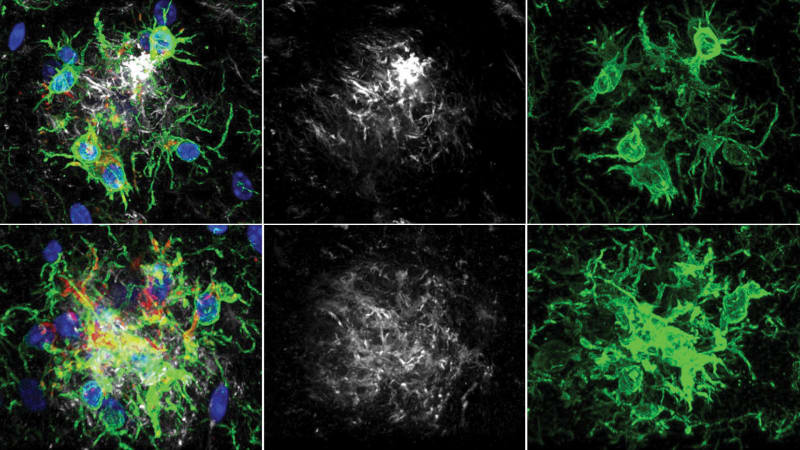
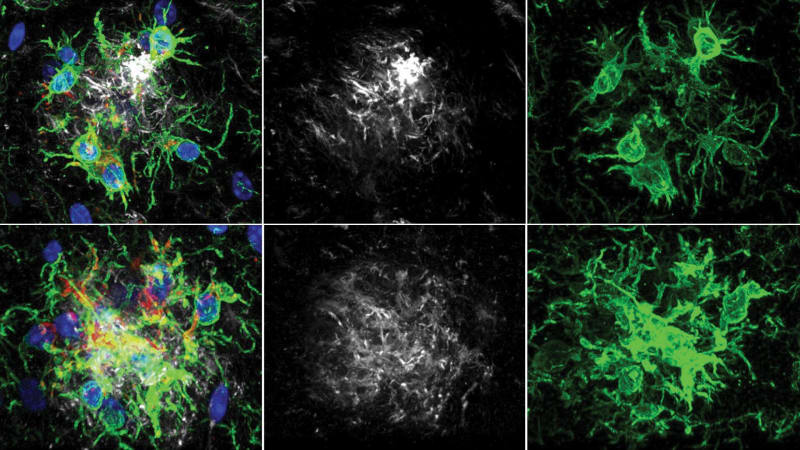
Our brains have immune cells called microglia that normally sweep away harmful debris, including toxic amyloid-β plaques that build up in Alzheimer's patients. But over time, these cleanup cells get exhausted and stop working effectively.
"Our results suggest that PTP1B inhibition can improve microglial function, clearing up amyloid-β plaques," says graduate student Yuxin Cen, who led the study. When the researchers deleted PTP1B in mice with Alzheimer's, the immune cells became dramatically better at engulfing the harmful plaques.
The discovery is especially promising because PTP1B is already a validated drug target for obesity and type 2 diabetes, both major risk factors for Alzheimer's. That means scientists have a head start on developing safe, effective inhibitors.
The Ripple Effect
Current Alzheimer's drugs focus solely on clearing amyloid-β plaques and offer only modest benefits for many patients. A PTP1B inhibitor could tackle multiple problems at once, clearing plaques while also addressing metabolic risk factors that contribute to the disease.
The Tonks lab is already working with a biotech company called DepYmed to develop PTP1B inhibitors. Tonks envisions combining these new drugs with existing approved therapies for a more powerful one-two punch against the disease.
With Alzheimer's cases rising sharply worldwide and costs climbing into the trillions, the need for better treatments has never been more urgent. But for Tonks and the millions of families touched by this disease, the statistics tell only part of the story.
"The goal is to slow Alzheimer's progression and improve quality of life of the patients," he says. This research brings that goal one important step closer to reality.
More Images
Based on reporting by Google News - Researchers Find
This story was written by BrightWire based on verified news reports.
Spread the positivity!
Share this good news with someone who needs it