Scientists Discover 'Underview Effect' in Underwater Living
Aquanauts spending weeks on the ocean floor experience profound awe similar to astronauts viewing Earth from space. Their underwater insights could help people reconnect with our planet's seas.
Imagine living at the bottom of the ocean for a week, surrounded by glowing plankton that look like stars and watching fish become your neighbors with daily routines you recognize.
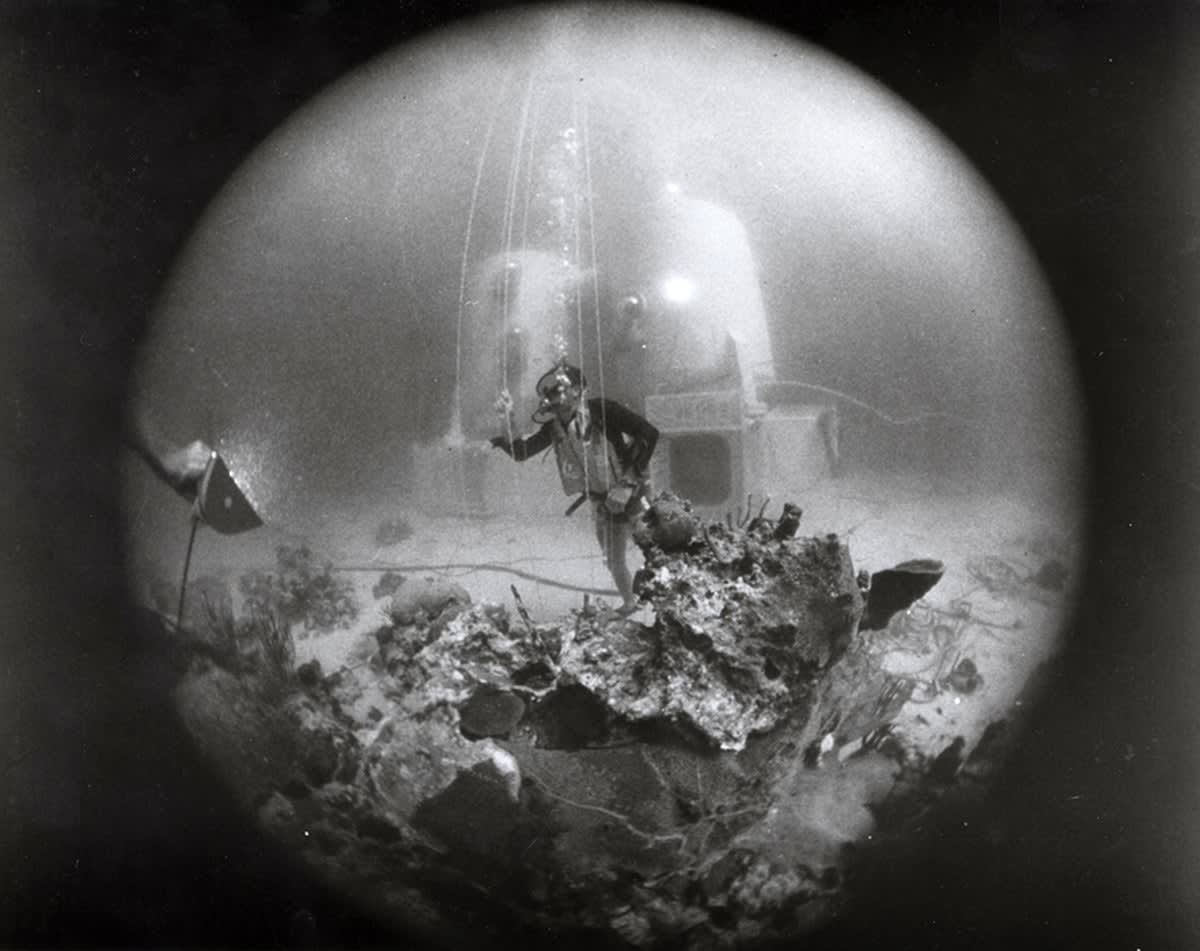
Marine biologist Mark Patterson experienced exactly that in 1984 when he ventured outside his underwater research station at night. Tethered 300 feet from the lab, he sat on the sandy Caribbean seafloor as bioluminescent creatures lit up around him like constellations. "This is the coolest thing maybe I'm ever going to do: live underwater," he thought in that moment.
Patterson felt what scientists now call the "underview effect." It's an intense sensation of awe that aquanauts describe after extended stays on the seafloor, strengthening their sense of connection to the natural world.
The experience mirrors what astronauts report as the "overview effect" when viewing Earth from space. Both involve a profound shift in perspective that comes from sustained observation in an extreme environment.
A new study in Environment and Behavior surveyed 14 aquanauts about their underwater experiences. The researchers found that time makes all the difference in creating these transformative moments.
During daily excursions lasting up to eight hours, aquanauts witness ocean life in unprecedented detail. A moray eel becomes an individual with habits and personality. Storms passing overhead create pressure changes that make ears pop below the surface. Plankton movements reveal the rhythm of waves above.
These extended observations aren't possible during typical recreational dives. Saturation diving requires aquanauts to spend days underwater, slowly decompressing for 24 hours per every 100 feet of depth before safely returning to the surface.
Patterson has now spent 89 days total living under the sea across multiple missions. Each extended stay deepened his understanding of ocean ecosystems and our connection to them.
Why This Inspires
Stanford psychologist Johannes Eichstaedt studies the overview effect and says awe is "one of the strongest ways to weaken the boundaries of ourselves." These profound experiences help people feel more connected to nature and motivated to protect it.
The study's lead author, Kristen Kilgallen, believes we don't need to live underwater to find similar transformation. Disrupting everyday routines and trying something new in nature can spark that same sense of wonder. "You can find exploration rewarding in and of itself, regardless of what you find," she explains.
Just as astronauts' stories about viewing Earth from space inspired environmental awareness, researchers hope aquanauts' underwater experiences will help more people think differently about protecting our oceans.
The message is simple: exploration keeps us engaged with the world, and that engagement matters now more than ever.
More Images


Based on reporting by Scientific American
This story was written by BrightWire based on verified news reports.
Spread the positivity!
Share this good news with someone who needs it
%2Fhttps%3A%2F%2Ftf-cmsv2-smithsonianmag-media.s3.amazonaws.com%2Ffiler_public%2F3b%2Ff9%2F3bf963ae-c158-4aa5-bf52-4165a34fdef3%2Fhairy-new-fish-species-1.jpg)