Scientists Discover Untouched Reefs in Caribbean Deep
British researchers have mapped underwater mountains, pristine coral reefs, and hundreds of never-before-seen species in the Caribbean's deepest waters. The discoveries reveal thriving ecosystems untouched by climate change.
Scientists exploring the deepest waters around Britain's Caribbean territories have discovered an underwater world that's been hiding in plain sight for thousands of years.
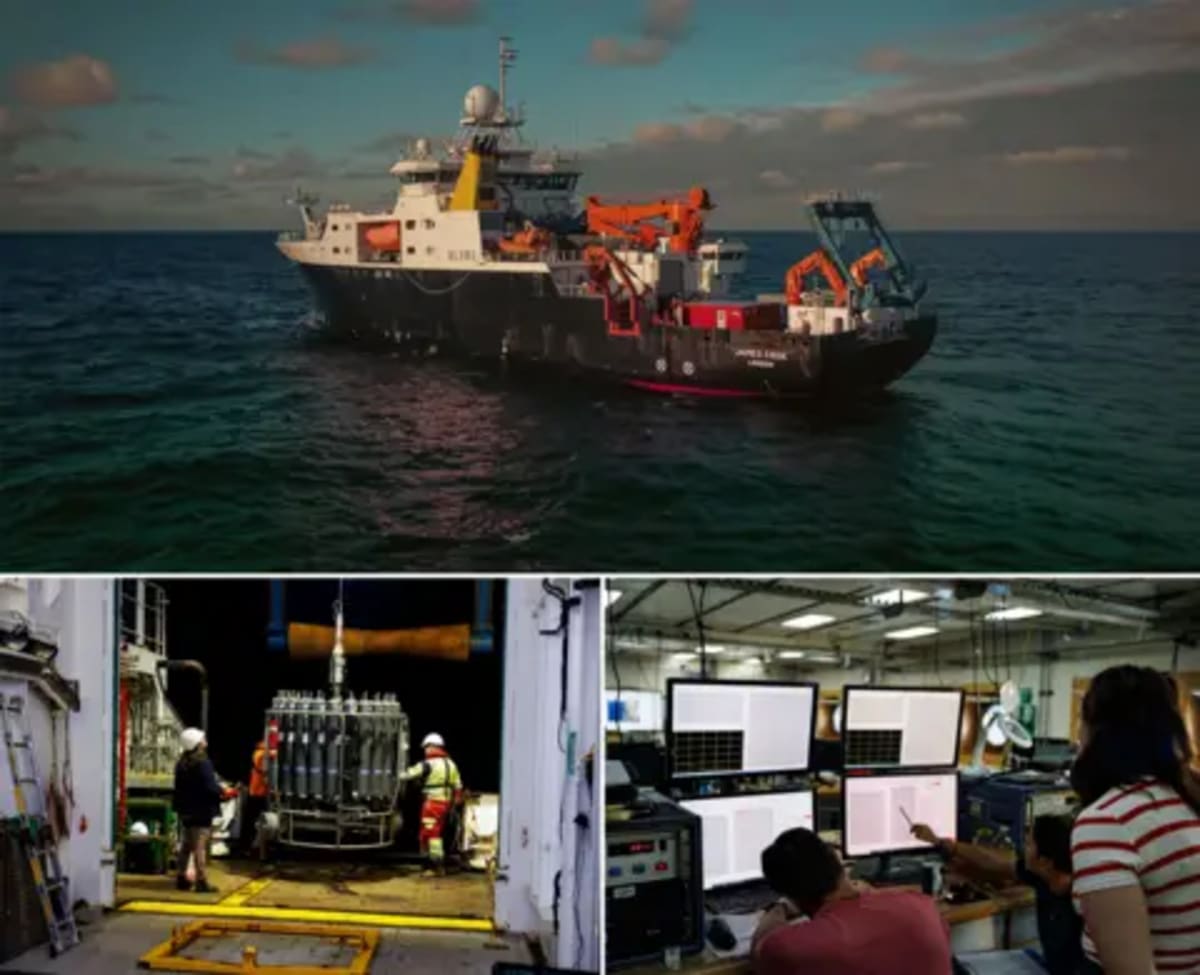
For six weeks, researchers aboard the RRS James Cook worked around the clock, sending cameras nearly 6,000 meters below the surface of the Cayman Islands, Anguilla, and Turks and Caicos. What they found stunned them: massive underwater mountains, pristine coral reefs, and nearly 14,000 individual creatures, including species science has never documented.
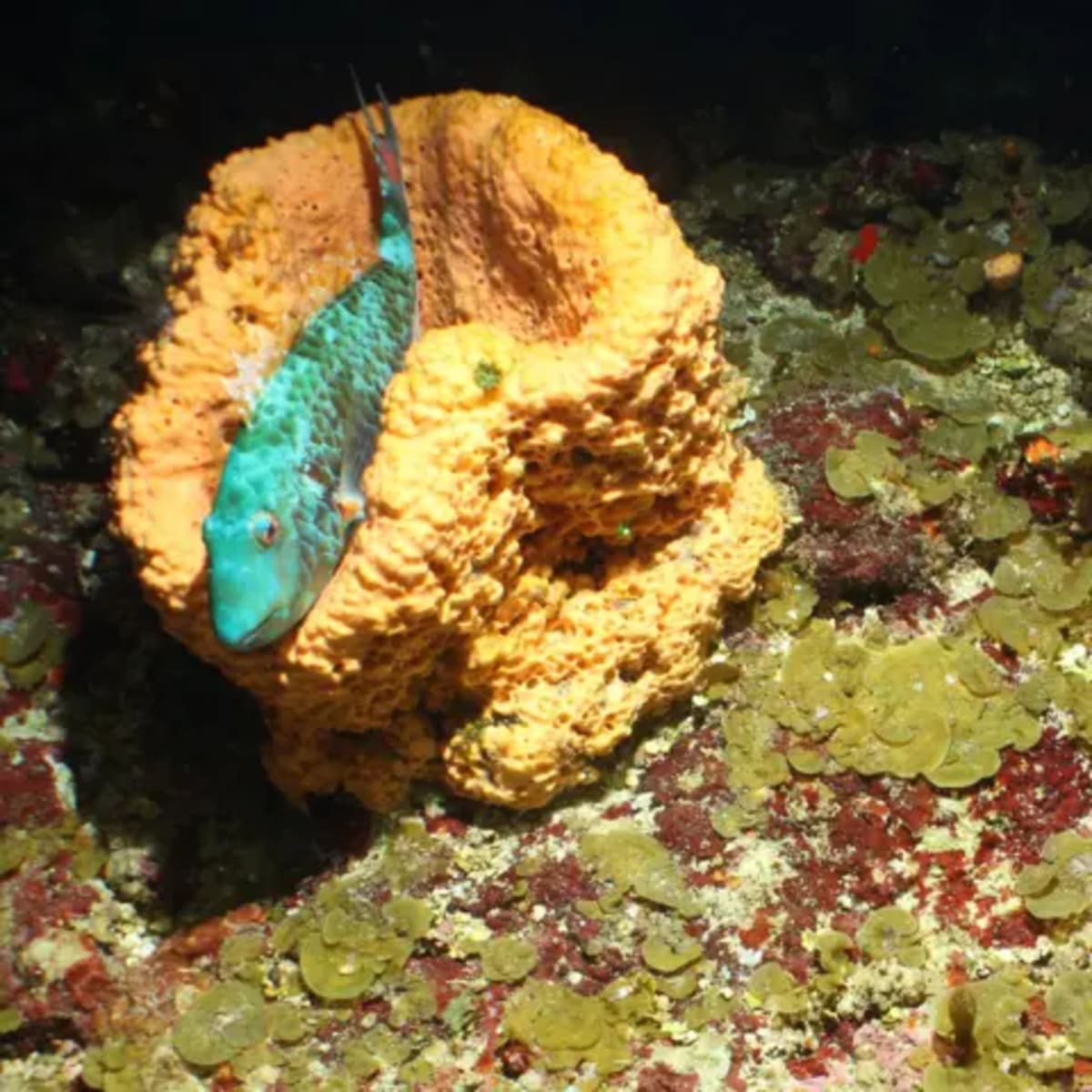
The team had to navigate using outdated maps with serious errors and missing sections. Along the way, they discovered Pickle Bank, an underwater mountain rising from 2,500 meters deep to just 20 meters below the surface, its slopes covered in golden coral towers and brain-shaped formations teeming with life.
"This is the first step into environments people have never seen, and in some cases didn't know existed," says Dr. James Bell, who led the expedition. Just days before sharing the findings, his team spotted a swimming sea cucumber they still can't identify.
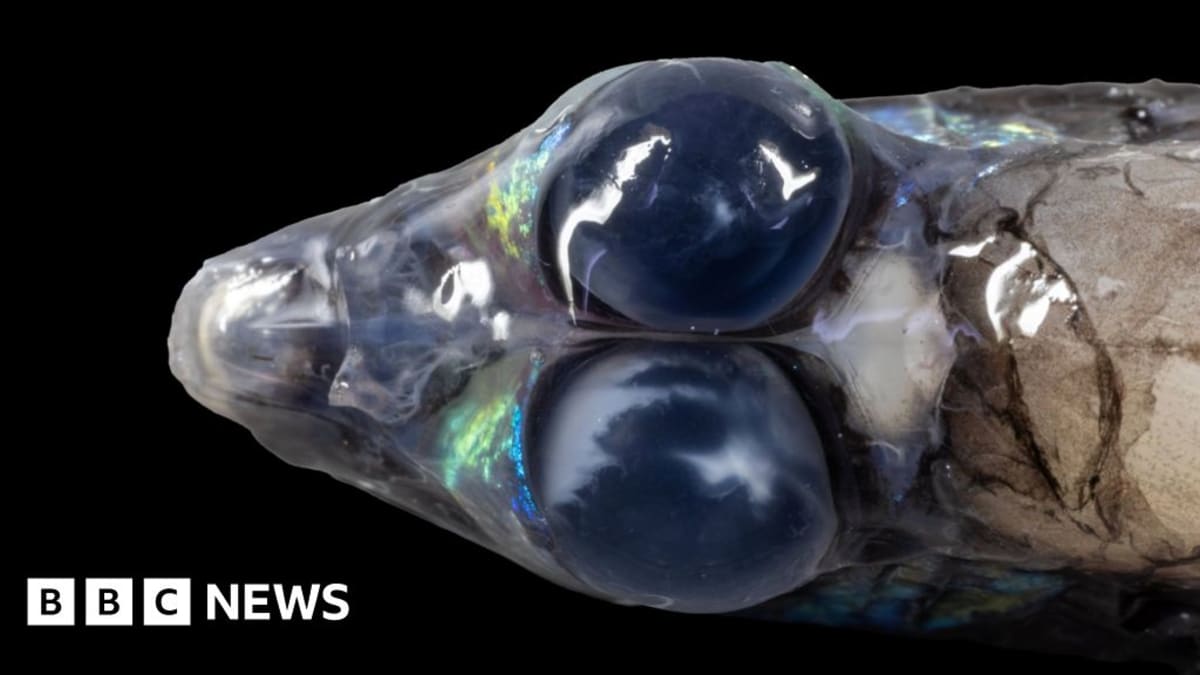
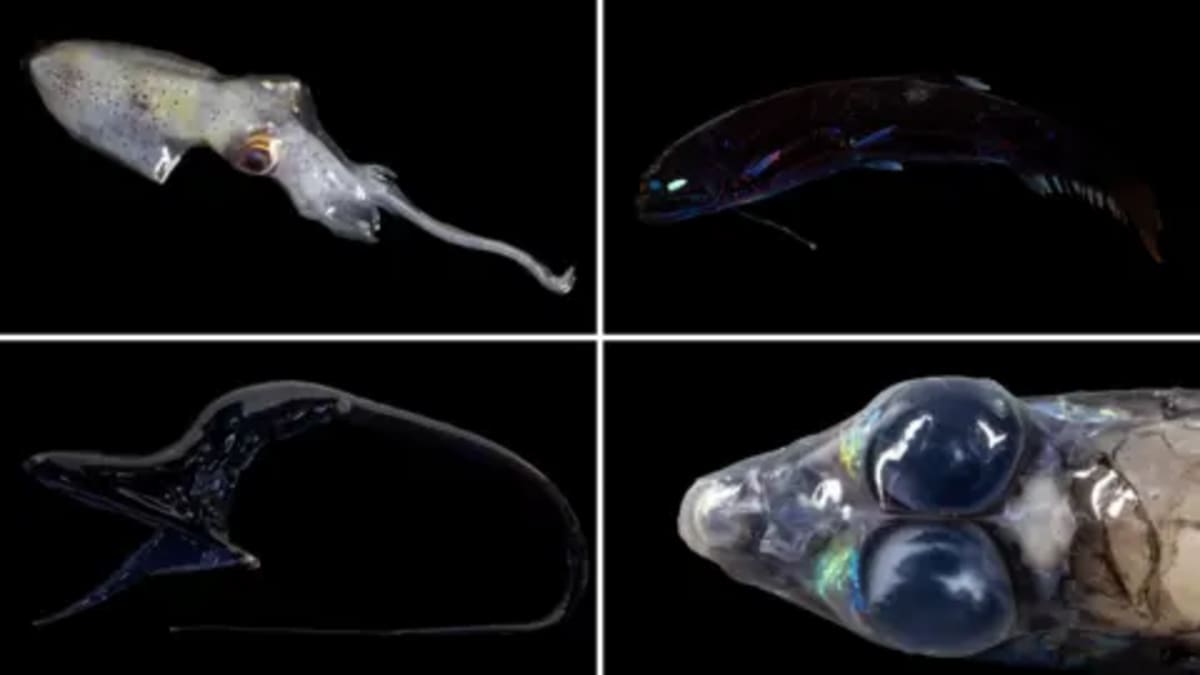
The expedition documented 290 different types of marine creatures, including a pelican eel with a glowing pink tail that flashes red to attract prey, a barreleye fish with tubular eyes pointing upward to spot silhouettes above, and ancient black coral that could be thousands of years old.
In Turks and Caicos, the researchers discovered a 70-kilometer mountain ridge that wasn't on any existing sea charts. They also found what could be the Caribbean's deepest blue hole, a massive vertical sinkhole plunging 550 meters below sea level, with small sponges and diverse fish species living inside its steep walls.
The Ripple Effect
These deep reefs sit below the depths where warming ocean temperatures have damaged 80% of the world's corals since 2023. The expedition found some of the healthiest, most diverse reefs in the region, completely free from the stoney coral disease plaguing the Caribbean's shallower waters.
The discoveries are especially important because up to 90% of Britain's unique species live in these British Overseas Territories. The islands already host 146 species found nowhere else on Earth, and this expedition will likely add dozens more to that list.
Following tips from local fishers who had accidentally pulled up coral pieces, researchers confirmed a four-kilometer reef north of Anguilla featuring mosaics of coral growing in sponge gardens.
The race is now on to protect these pristine ecosystems before climate change and pollution reach them, giving scientists a living laboratory to understand how healthy ocean ecosystems function and what we need to do to protect them for future generations.
More Images

Based on reporting by BBC Science
This story was written by BrightWire based on verified news reports.
Spread the positivity!
Share this good news with someone who needs it


