Scientists Drill 523 Meters Into Antarctic Ice, Find Ocean
An international team just completed the deepest drill ever beneath Antarctica's ice sheet, pulling up 23 million years of history that could help predict our climate future. The surprise discovery of ancient ocean life offers real hope for understanding how to prepare for melting ice.
Scientists just drilled deeper into Antarctica than ever before, and what they found 523 meters down is giving us powerful new tools to understand our warming planet.
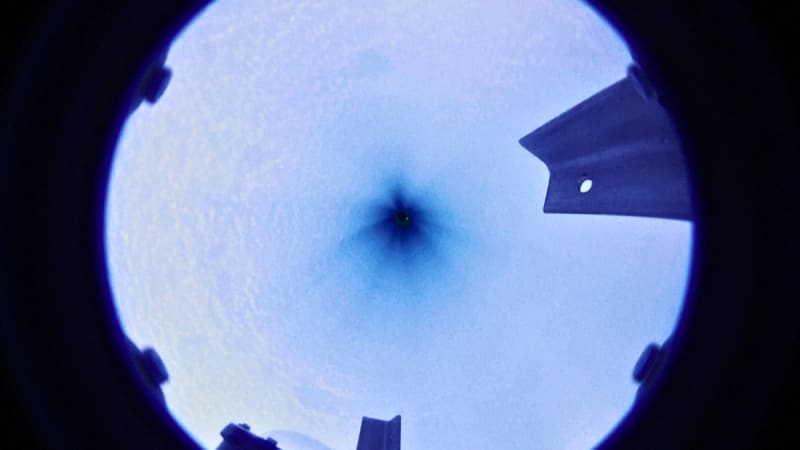
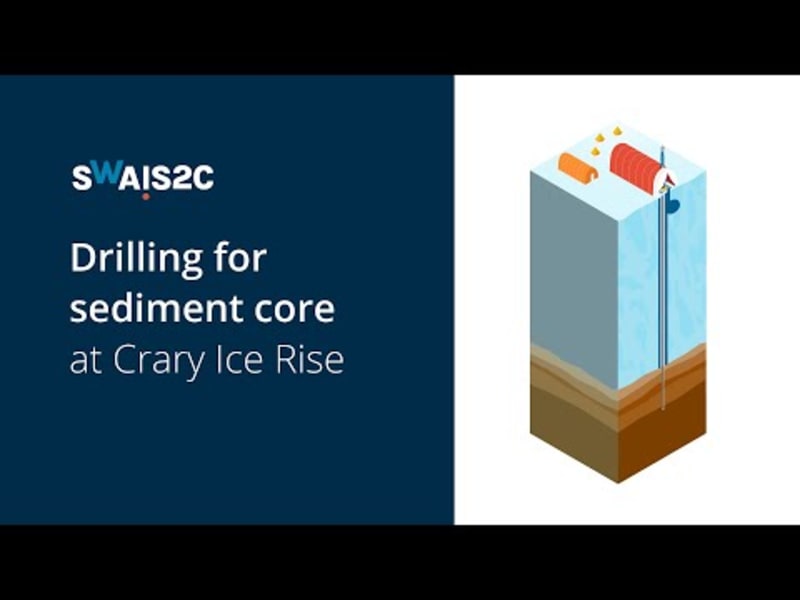
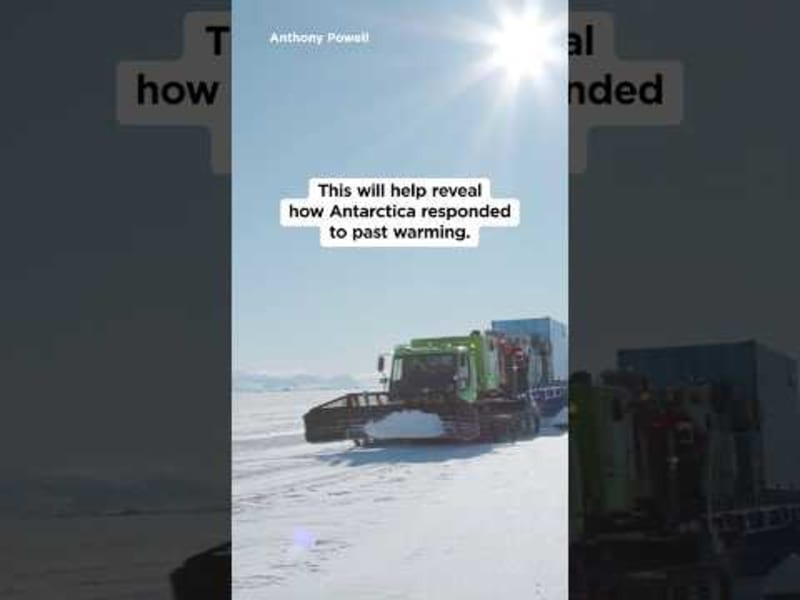
An international team of 29 researchers punched through the massive West Antarctic Ice Sheet at Crary Ice Rise, then kept going another 228 meters into ancient rock and mud below. The samples they pulled up tell a story stretching back 23 million years.
Here's why this matters: the West Antarctic Ice Sheet holds enough frozen water to raise global sea levels by four to five meters if it melts. Satellite data shows it's already losing ice at an accelerating rate, but scientists haven't known exactly how much warming would trigger rapid melting.
Now they have direct evidence to work with. Mixed in with typical ice sheet sediment, the team found shell fragments and remains of marine organisms that need sunlight to survive. That means this massive ice sheet was once open ocean.
"Some of the sediment was typical of deposits that occur under an ice sheet," said co-chief scientist Molly Patterson from Binghamton University. But the ocean life they discovered tells a completely different story about Antarctica's past.
The team's samples capture environmental conditions across millions of years, including periods when Earth's temperatures were significantly higher than two degrees Celsius above pre-industrial levels. By studying exactly what temperatures caused the ice to retreat in the past, scientists can now build better models of what to expect as our climate warms.
Why This Inspires
This breakthrough shows the power of scientific collaboration at its best. Twenty-nine researchers from multiple countries worked together in one of Earth's most extreme environments to give humanity better information about our future.
The drill cores have already traveled 1,100 kilometers across the Ross Ice Shelf to Scott Base and are headed to New Zealand for detailed analysis. Each layer of ancient sediment is like a page in Earth's climate history book, and scientists can now read chapters they've never had access to before.
Instead of guessing about how ice sheets respond to warming, researchers now have a direct geological record from the exact location they're studying. That means climate models can be calibrated with real data rather than estimates from distant locations.
This kind of breakthrough doesn't just advance science, it gives communities and governments the solid information they need to make smart decisions about preparing for sea level rise. Knowledge is power, and these researchers just handed us 23 million years of it.
More Images

Based on reporting by Google News - Science
This story was written by BrightWire based on verified news reports.
Spread the positivity!
Share this good news with someone who needs it