Scientists Engineer Bacteria to Hunt and Kill Cancer Tumors
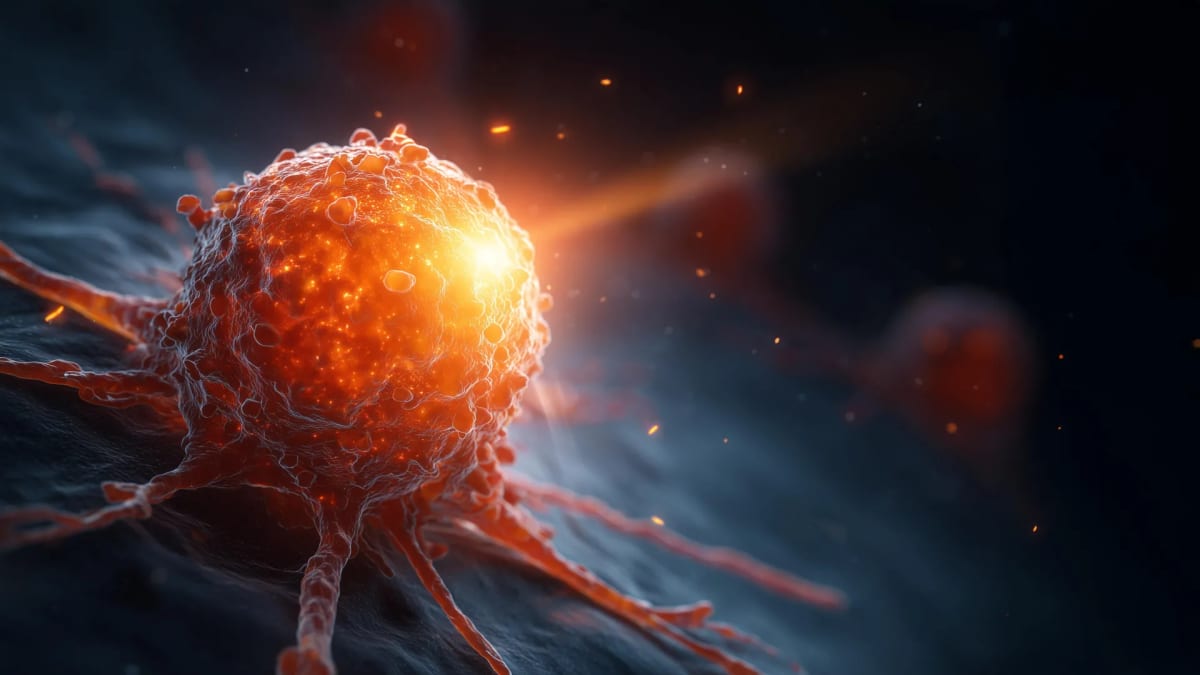
Researchers turned a common probiotic into a cancer-fighting machine that seeks out tumors and delivers treatment directly inside them. In mice, the engineered bacteria successfully infiltrated tumors and released powerful anticancer drugs right where they were needed most.
Scientists have transformed friendly bacteria into tiny tumor-hunting factories that could change how we fight cancer. Researchers at Shandong University in China engineered a probiotic strain to track down cancer cells and deliver treatment from within, offering hope for more effective therapies with fewer side effects.
The team started with Escherichia coli Nissle 1917, a probiotic already known for its health benefits in humans. They modified it to produce Romidepsin, an FDA-approved cancer drug, and tested whether these engineered bacteria could find tumors on their own.
The results surprised even the researchers. In mice with breast cancer tumors, the modified bacteria didn't just wander randomly through the body. They actively accumulated inside the tumors and released the cancer-fighting drug exactly where it was needed.
This targeted approach addresses one of cancer treatment's biggest challenges: getting powerful drugs to tumor sites without damaging healthy tissue. Traditional chemotherapy floods the entire body with medication, causing harsh side effects. These bacteria work like guided missiles, delivering their payload only after reaching their target.
The bacteria create a double punch against cancer. First, they colonize the tumor itself, disrupting its growth. Second, once inside, they produce the anticancer drug Romidepsin directly within the tumor environment. This dual action makes the treatment potentially more powerful than either approach alone.
Why This Inspires
This breakthrough represents a completely new way of thinking about cancer treatment. Instead of fighting cancer with harsh chemicals delivered through the bloodstream, scientists are recruiting nature's own microscopic engineers to do the work.
The research builds on years of discovery about how bacteria naturally interact with our bodies. By reprogramming these tiny organisms, scientists are turning them from passive passengers into active healers. It's a perfect example of working with biology rather than against it.
The approach also shows how far personalized medicine has come. Future versions might be customized for individual patients, with bacteria programmed to produce specific drug combinations based on someone's unique cancer type.
The team acknowledges there's still work ahead before human trials can begin. They need to study potential side effects and develop safe ways to remove the bacteria after treatment is complete. But the mouse studies provide a solid foundation for moving forward.
For millions of people facing cancer diagnoses each year, this research offers genuine hope. It's not a cure yet, but it's a promising new tool in the fight against one of medicine's toughest challenges.
Based on reporting by Science Daily
This story was written by BrightWire based on verified news reports.
Spread the positivity!
Share this good news with someone who needs it