Scientists Explain Why Only 40 Animals Were Ever Domesticated
Out of millions of animal species on Earth, humans have only domesticated 30-40 of them. The reason comes down to four surprising requirements that explain why we ride horses but not zebras.
Ever wonder why we have pet dogs but not pet zebras, or why farmers raise chickens instead of eagles? The answer reveals a fascinating pattern about which animals humans could bring into our lives over thousands of years.
YouTube educator CGP Grey breaks down the science of domestication into four memorable categories: Friendly, Feedable, Fecund, and Family-friendly. Together, these requirements explain why so few of Earth's millions of species ended up on farms and in homes.
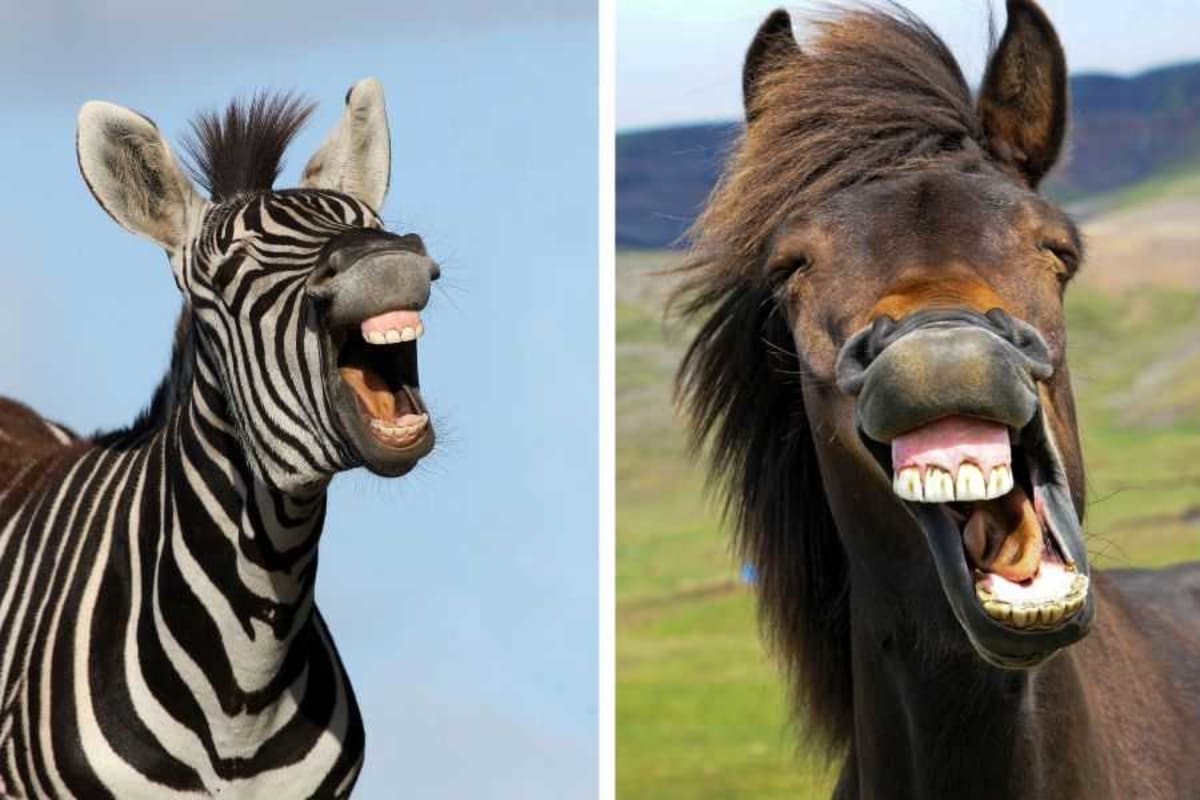
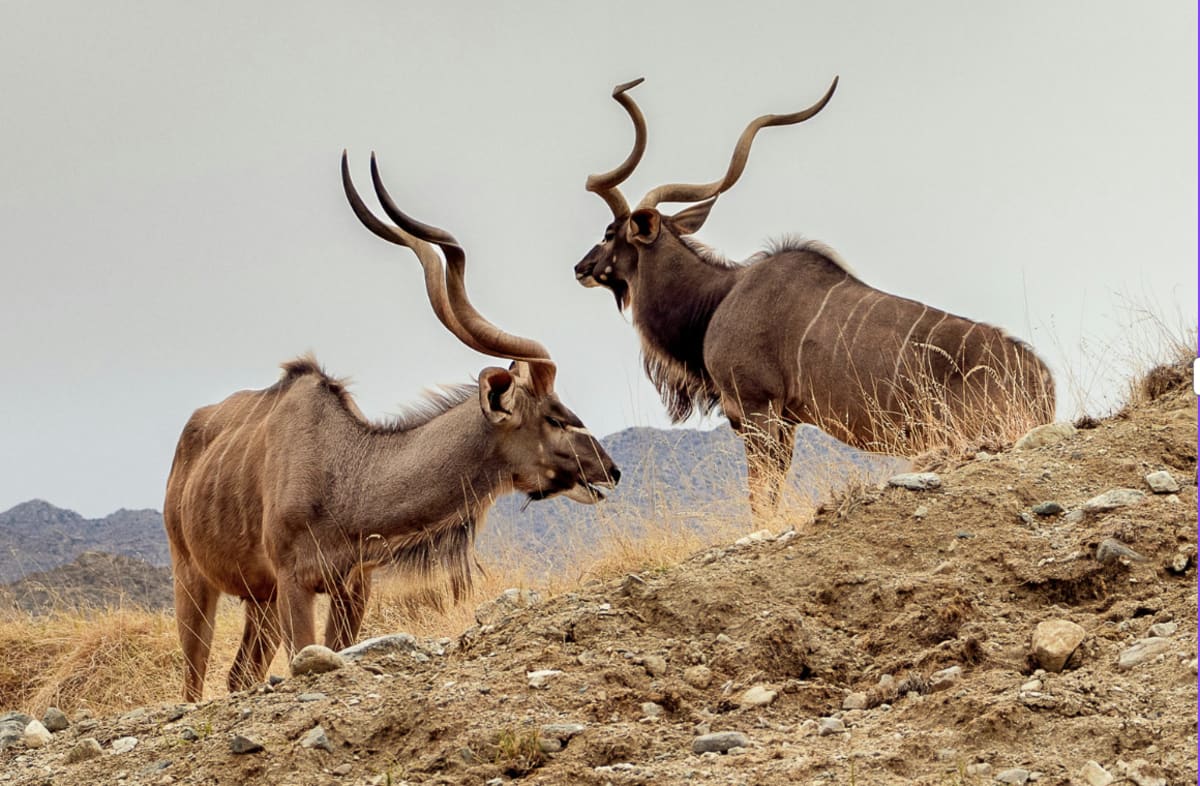
The "friendly" factor means animals can't be immediate threats to humans. That eliminates carnivores whose natural job involves hunting, as well as large nervous prey animals like antelope and moose that get too stressed around people. Even adorable animals like hippos have stress responses so intense that captivity causes them to hurt themselves or lash out.
"Feedable" doesn't just mean an animal can eat. It means feeding them is cheap and practical at scale. Pure carnivores need huge hunting territories and massive calorie intake, which would have drained early human settlements more than it helped. That's why we'll likely never see domesticated lions or wolves beyond their dog descendants.
The "fecund" requirement focuses on breeding speed. Animals need to mate frequently, have short pregnancies or large litters, and grow up quickly. Pandas and elephants take too long to reproduce and mature, making them unsuitable for domestication. Scientists note there's a big difference between taming individual animals like circus elephants and actual domestication across generations.
Interestingly, domesticated animals develop physical changes over time. Floppy ears, curlier tails, smaller teeth, and rounder faces appear naturally across species from foxes to pigs. Scientists call this "domestication syndrome."
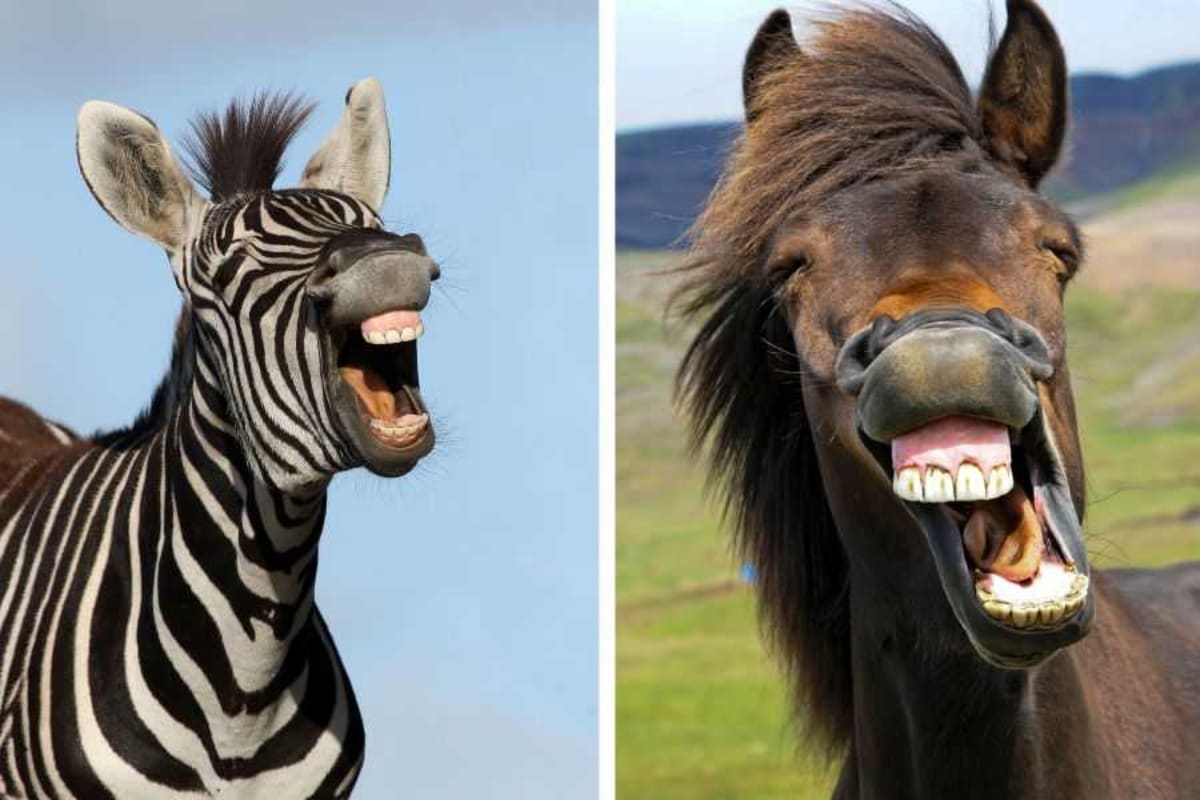
The "family-friendly" factor solves the zebra mystery. Horses live in hierarchical herds, so capturing the lead male gets the whole group to follow. Zebras are independent with no family structure, making them nearly impossible to domesticate even though they look similar to horses.
Why This Inspires
This scientific framework shows how our ancestors made incredibly smart observations without modern technology. Early humans figured out these complex requirements through trial and error, creating partnerships with animals that shaped civilization. Dogs, cats, horses, chickens, and cows didn't just happen by chance. They resulted from careful attention to which animals could genuinely thrive alongside people.
Today we have the technology to domesticate more species if we wanted. Some fox breeds have recently been domesticated to be friendly with humans. But we also have less need to expand our barnyard roster.
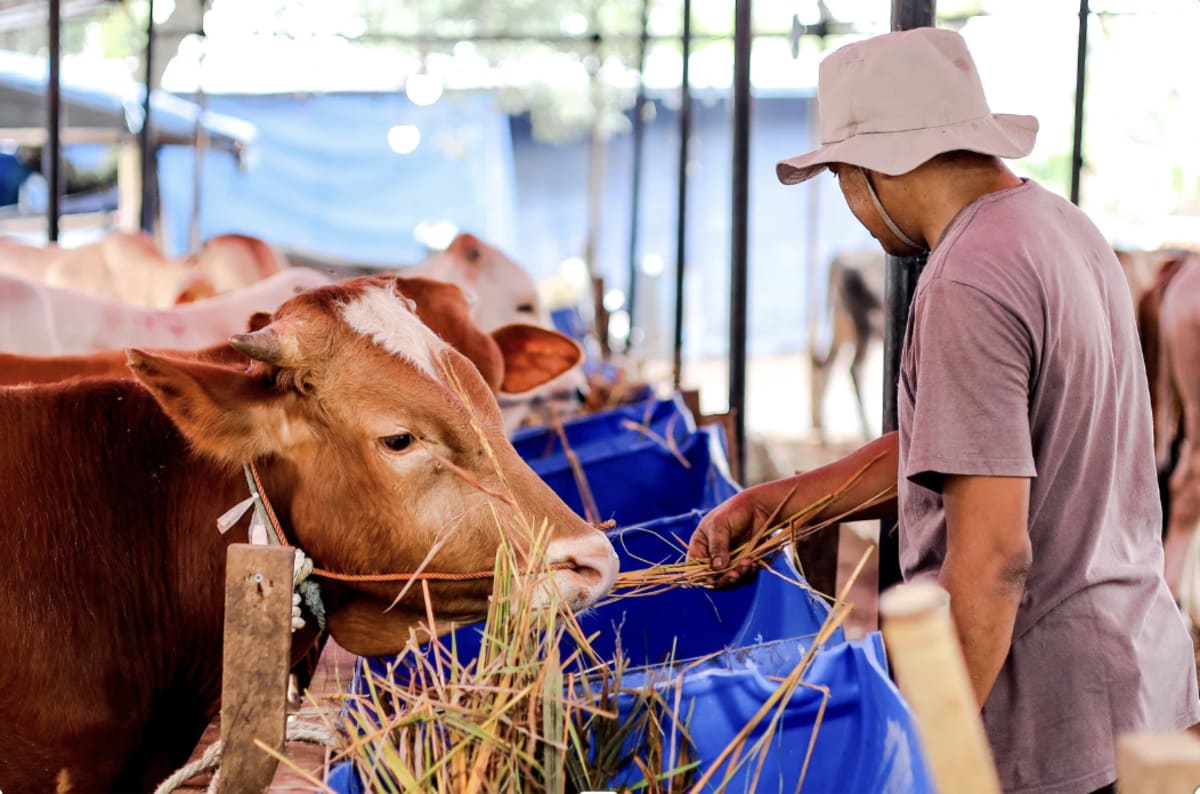
The 30-40 species we did domesticate continue supporting human life in countless ways, from companionship to food production to transportation. Understanding why these specific animals made the cut helps us appreciate the remarkable partnerships our ancestors built and the animals that chose to join us on this journey.
More Images

Based on reporting by Upworthy
This story was written by BrightWire based on verified news reports.
Spread the positivity!
Share this good news with someone who needs it