Scientists Extract 23-Million-Year Climate Record From Antarctica
Researchers just pulled 228 meters of ancient rock from beneath West Antarctica's ice sheet, the deepest core ever retrieved. This natural time capsule could reveal how the ice behaved during past warm periods and help predict our climate future.
After two failed attempts and a grueling expedition 700 kilometers from the nearest station, an international team has achieved what seemed impossible: drilling through half a kilometer of ice to extract the longest sediment core ever retrieved from beneath an Antarctic ice sheet.
The 228-meter core contains fossilized algae and sediments spanning 23 million years of Earth's history. Scientists working on the SWAIS2C project chose this remote spot for a critical reason: understanding whether West Antarctica's massive ice sheet has a tipping point beyond which its melting becomes unstoppable.
The stakes couldn't be higher. The West Antarctic Ice Sheet alone holds enough frozen water to raise global sea levels by five meters if it melts completely. It's already losing mass faster each year, and researchers urgently need to know what happens if temperatures keep rising.
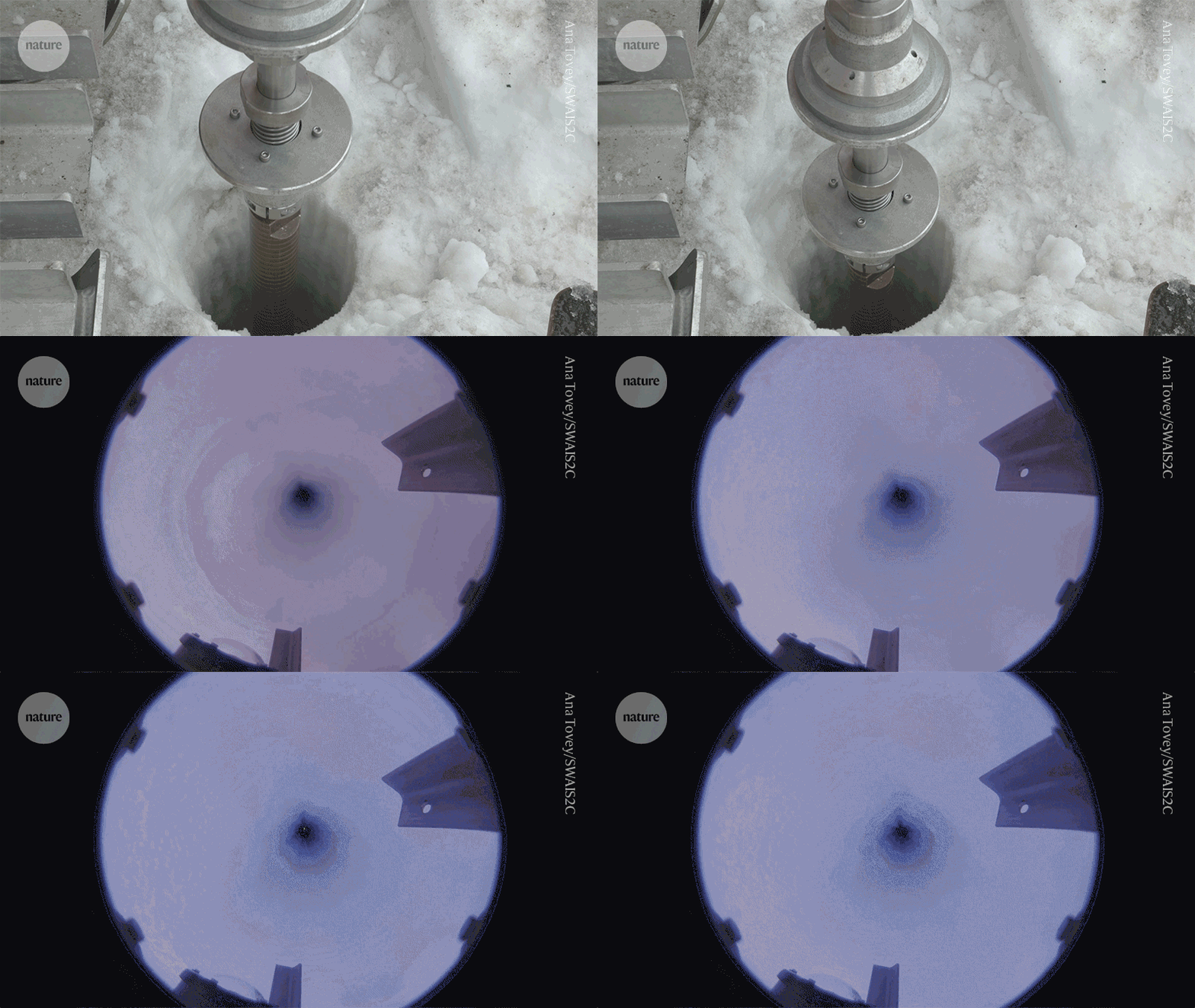
Project co-leader Huw Horgan from ETH Zurich called this drilling season "boom or bust" after technical problems halted previous attempts. His team first used a hot-water drill to bore through 523 meters of solid ice, then carefully extracted the precious sediment core from the bedrock below. Every section of core represented a victory in the harsh Antarctic conditions.
Why This Inspires
The core contains records from periods when Earth was warmer than today and even hotter than temperatures projected for 2100 under current climate policies. By studying how the ice sheet responded during those ancient warm periods, scientists can better predict what lies ahead for coastal cities and island nations.
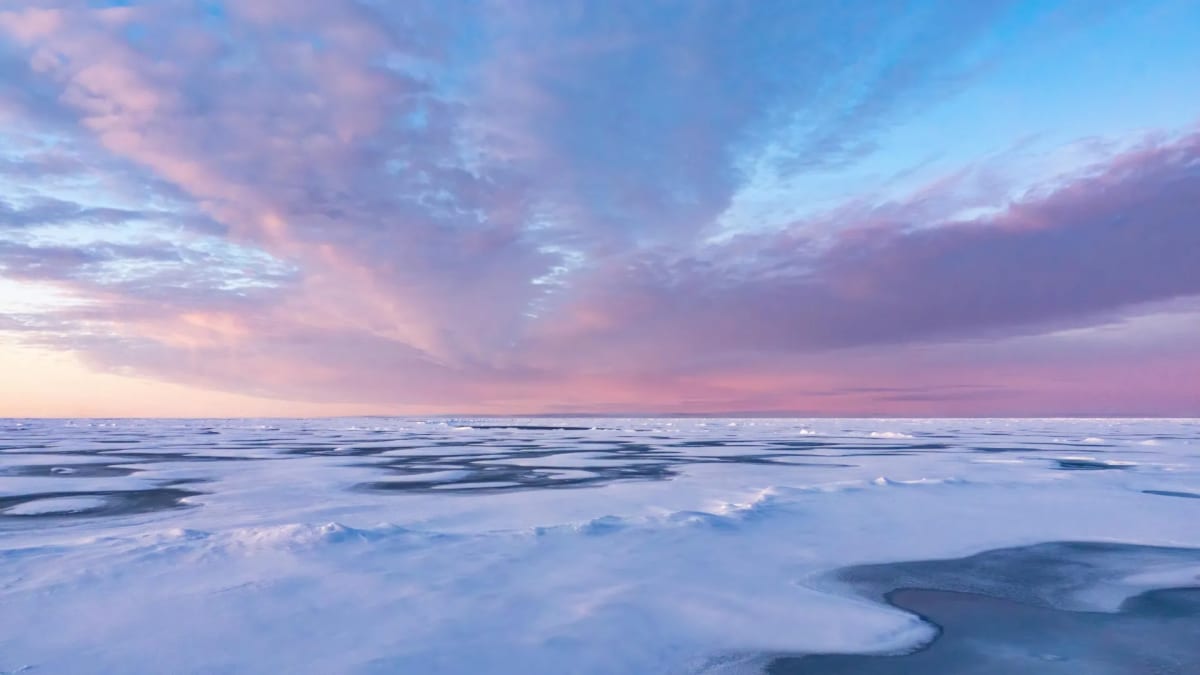
The team drilled at Crary Ice Rise, where the ice sheet still clings to bedrock near the massive Ross Ice Shelf. This location offers a unique window into the ice sheet's stability and vulnerability. The sediments will reveal whether the ice retreated during past warming and how quickly those changes happened.
This achievement represents years of preparation, international collaboration, and persistence through failure. The natural archive now sits in laboratories worldwide, ready to reveal secrets about our planet's climate that have been locked in stone for millions of years. Scientists will spend years analyzing this treasure trove, but their work has already proven that determination and collaboration can unlock answers to humanity's most pressing questions about our changing world.
More Images



Based on reporting by Google News - Science
This story was written by BrightWire based on verified news reports.
Spread the positivity!
Share this good news with someone who needs it