Scientists Film Mystery Creature 9,100m Deep Off Japan
Researchers captured footage of a ghostly white creature floating nearly six miles below the ocean surface, and they have no idea what it is. The discovery came during a groundbreaking expedition that documented deep-sea life without harming fragile ocean ecosystems.
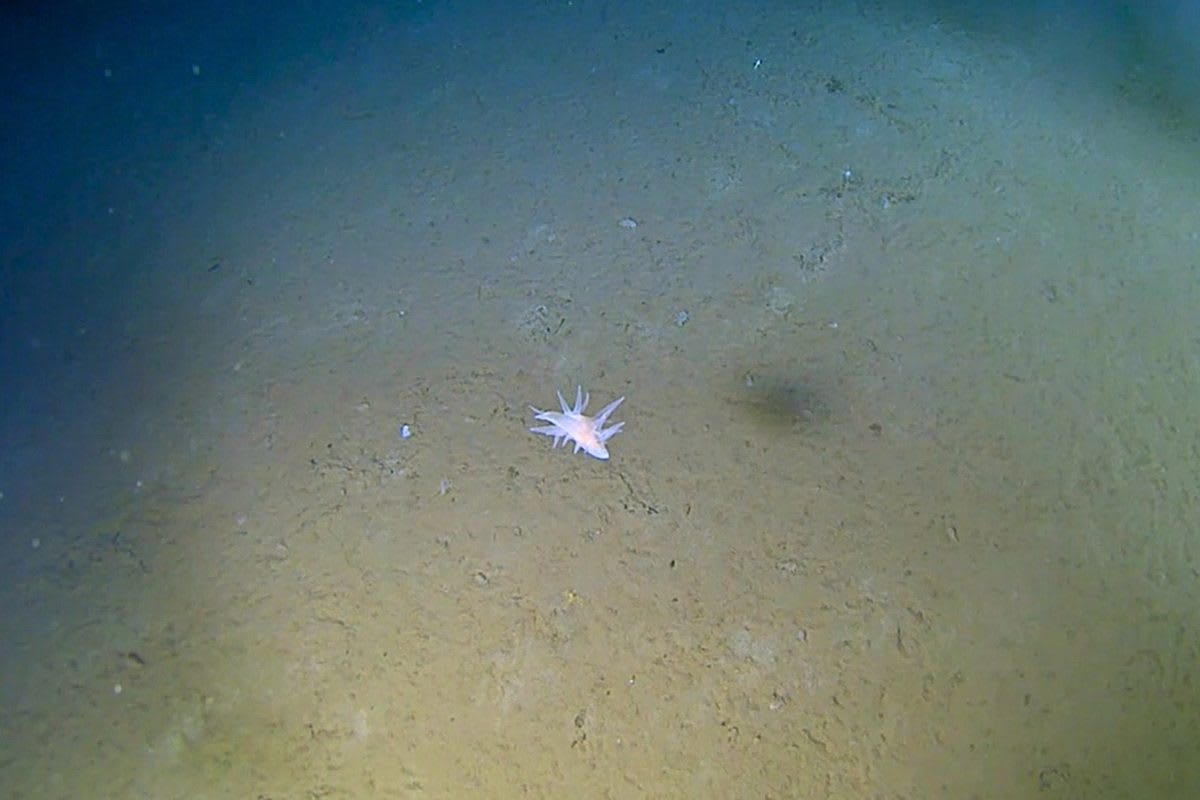
Scientists dropped cameras into one of Earth's deepest ocean trenches and filmed something they can't explain: a strange white creature drifting through the darkness 9,100 meters below the surface.
The mysterious animal appeared during a 2022 expedition off the coast of Japan. Researchers from the Minderoo-UWA Deep-Sea Research Centre initially thought it might be a sea slug, but experts quickly ruled that out.
The creature had antenna-like projections and a ghostly appearance similar to the alabaster nudibranch. But its appendages looked too rigid for a sea slug, and it was swimming twice as deep as any known nudibranch has ever been recorded.
Because scientists can't classify it yet, they've given it the placeholder name "Animalia incerta sedis," which essentially means "animal of uncertain classification." The team is calling it the "mystery mollusc" until they can figure out exactly what they've found.
The discovery wasn't the only treasure from the two-month expedition. Scientists documented incredible biodiversity across the Japan, Ryukyu, and Izu-Ogasawara trenches, including carnivorous sponges, giant scavenging amphipods, and meadows of more than 1,500 crinoids clinging to rocks.
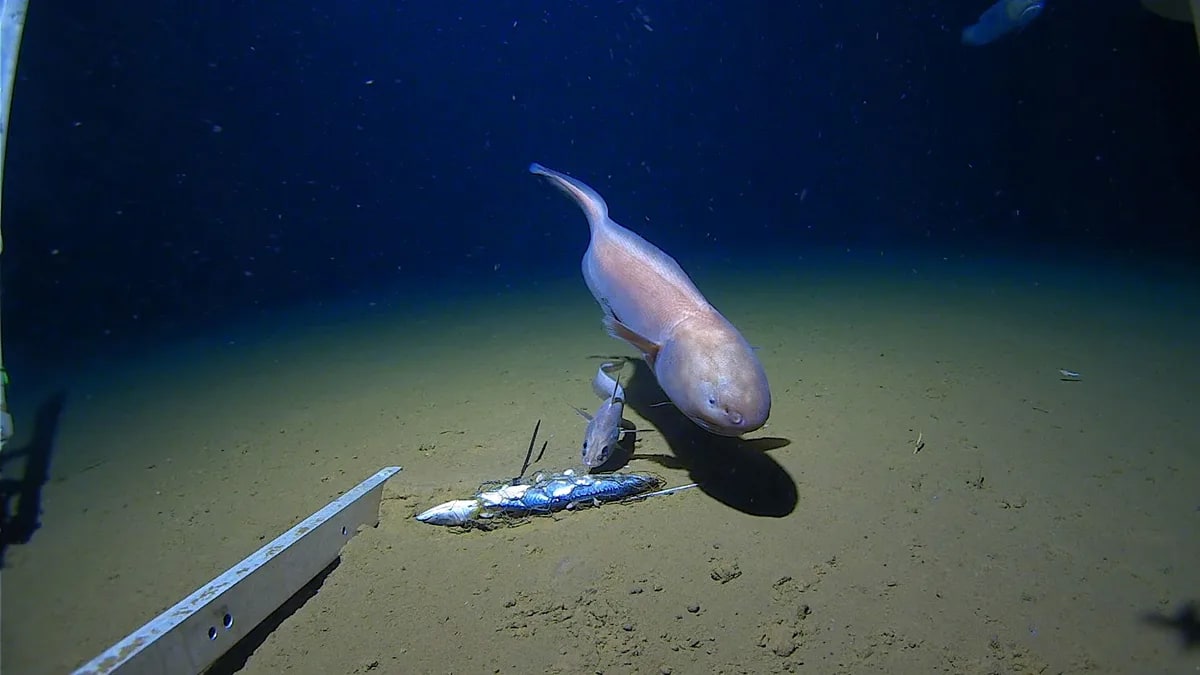
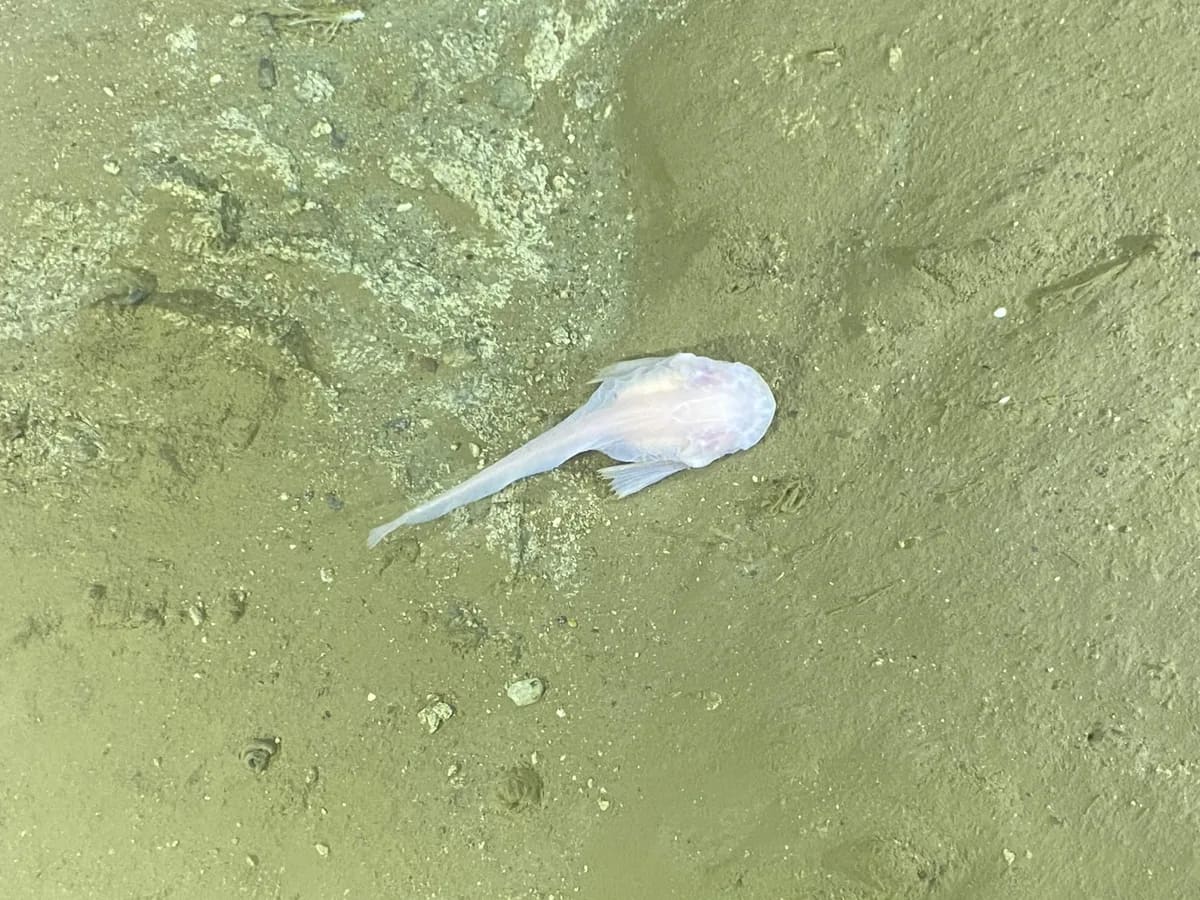
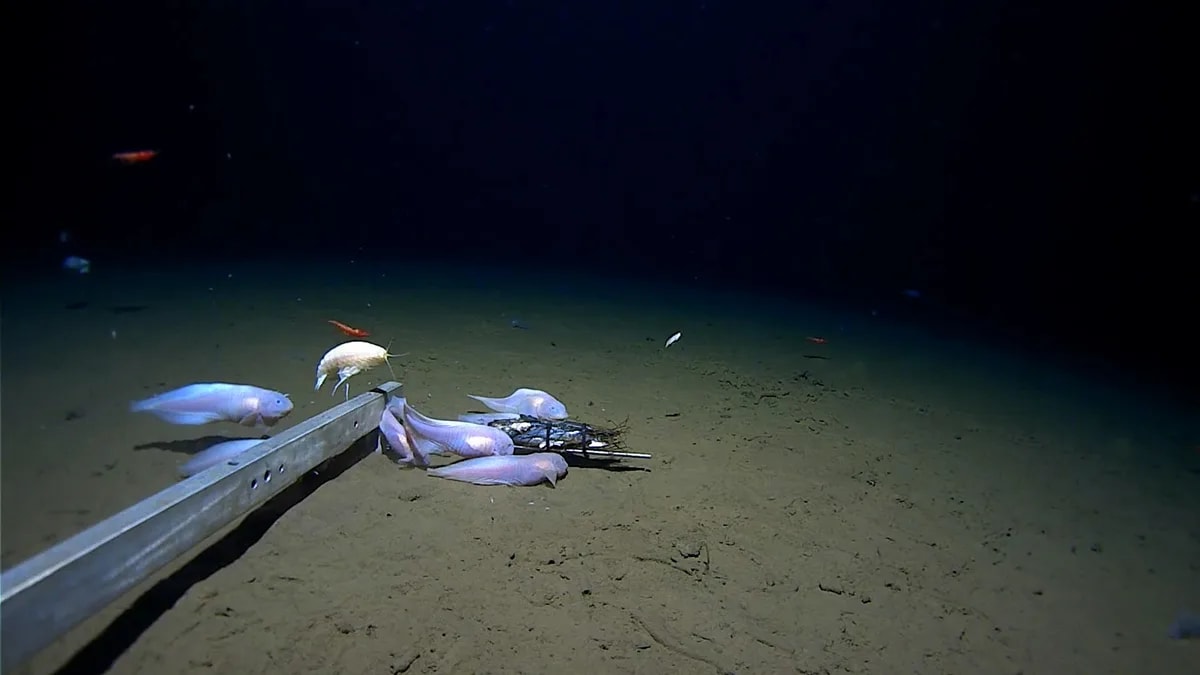
They even filmed a snailfish feeding at a record depth of 8,336 meters, deeper than anyone had documented this behavior before.
The Bright Side
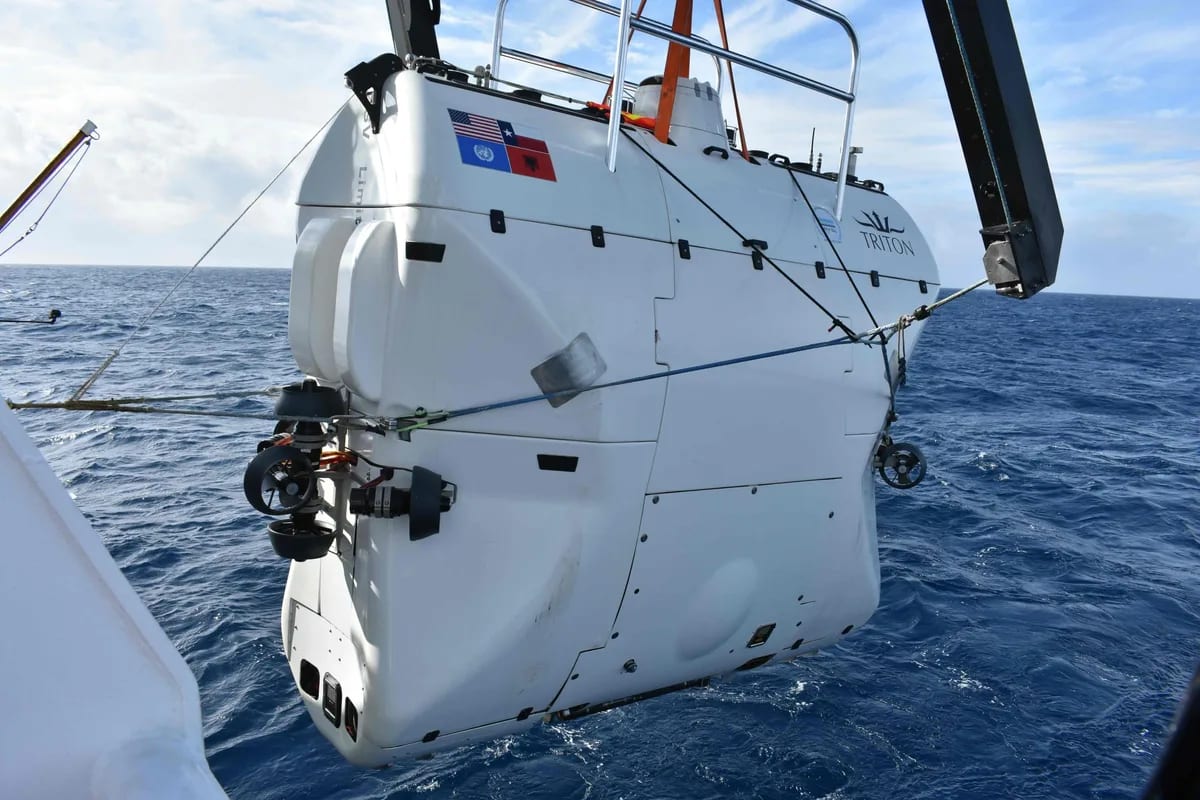
What makes this mission truly special is how the team did their research. Instead of trawling for samples, which can damage delicate deep-sea creatures, they used submersibles and baited cameras to capture photos and videos.
This gentler approach allowed them to observe animals in their natural habitat without harming them. The team built what they're calling "the most comprehensive visual baseline yet" for deep-sea life in the Northwest Pacific.
The researchers say image-based surveys capture something physical samples can't: behavior and ecological context. You can't see how an animal moves or interacts with its environment if you've pulled it out of the water.
"The hadal zone remains one of Earth's least explored and most intriguing frontiers," the team noted in their statement. This expedition proved that even in 2025, our planet still holds mysteries we're only beginning to uncover.
The discovery reminds us that wonder still exists in the deepest, darkest corners of our world.
More Images
Based on reporting by Google News - Researchers Find
This story was written by BrightWire based on verified news reports.
Spread the positivity!
Share this good news with someone who needs it