Scientists Film Whale Birth With Surprising Community Care
Researchers captured the first detailed footage of a sperm whale birth and discovered something remarkable: 11 whales worked together to help deliver and support the newborn, including half who weren't even related to the mother. This rare glimpse into whale society suggests humans aren't the only species where mothers receive help during childbirth.
Off the coast of Dominica in July 2023, marine biologists witnessed something extraordinary unfolding in the Caribbean waters. What looked like trouble turned out to be one of nature's most intimate moments: a sperm whale giving birth with a community of supporters.
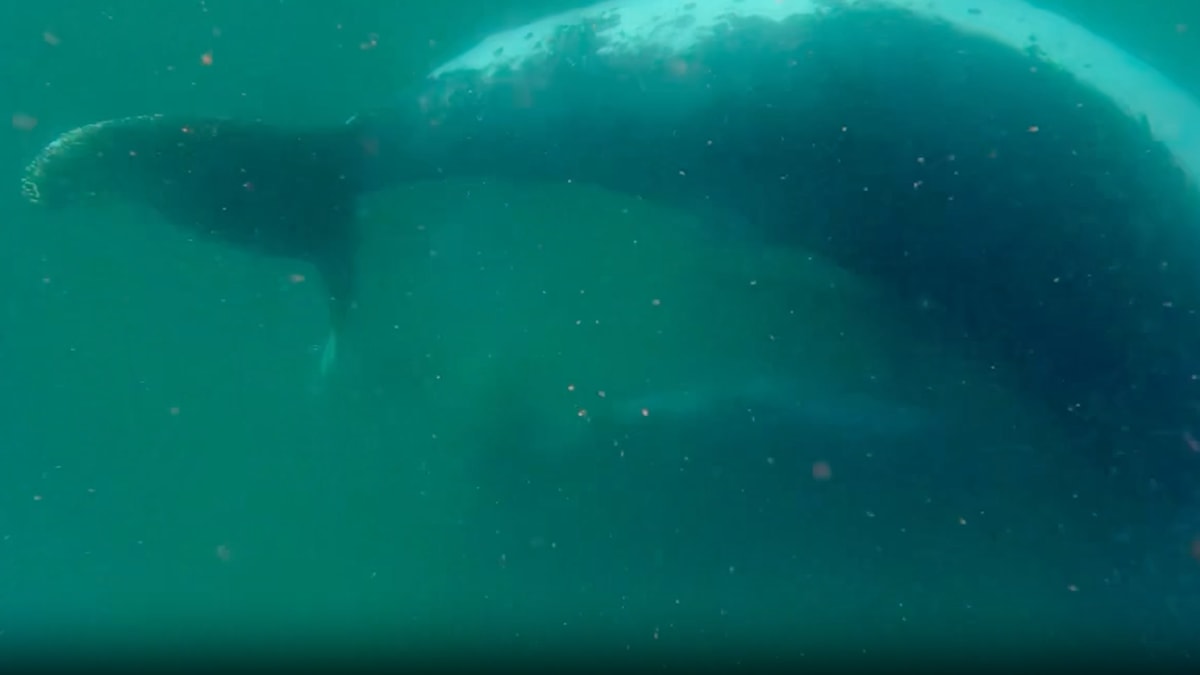
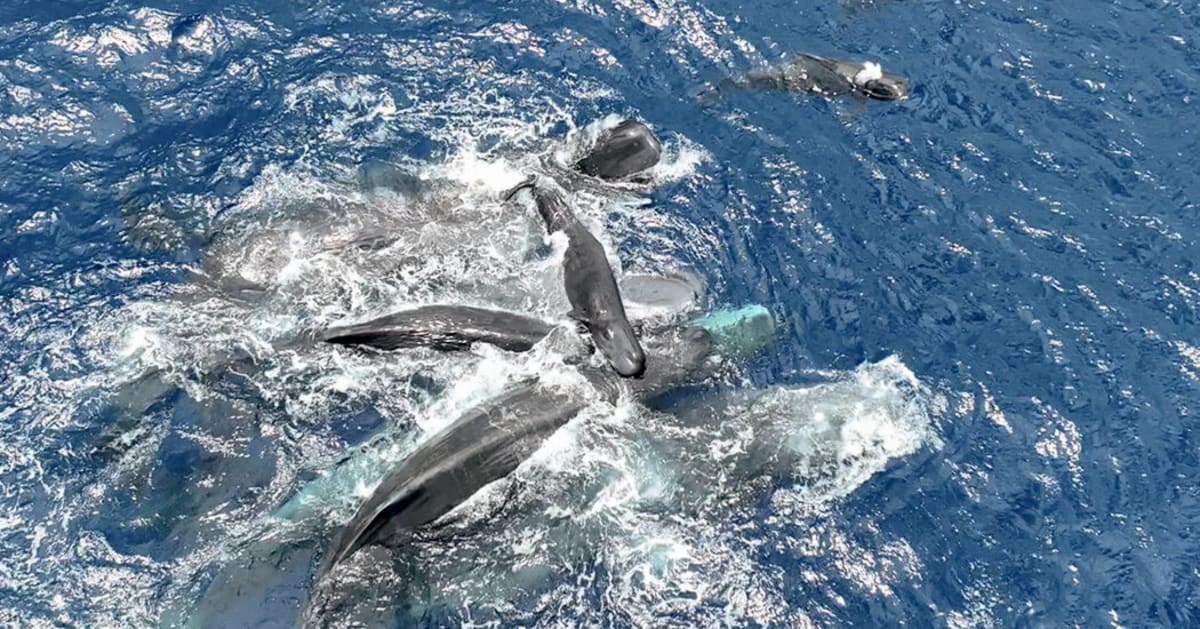
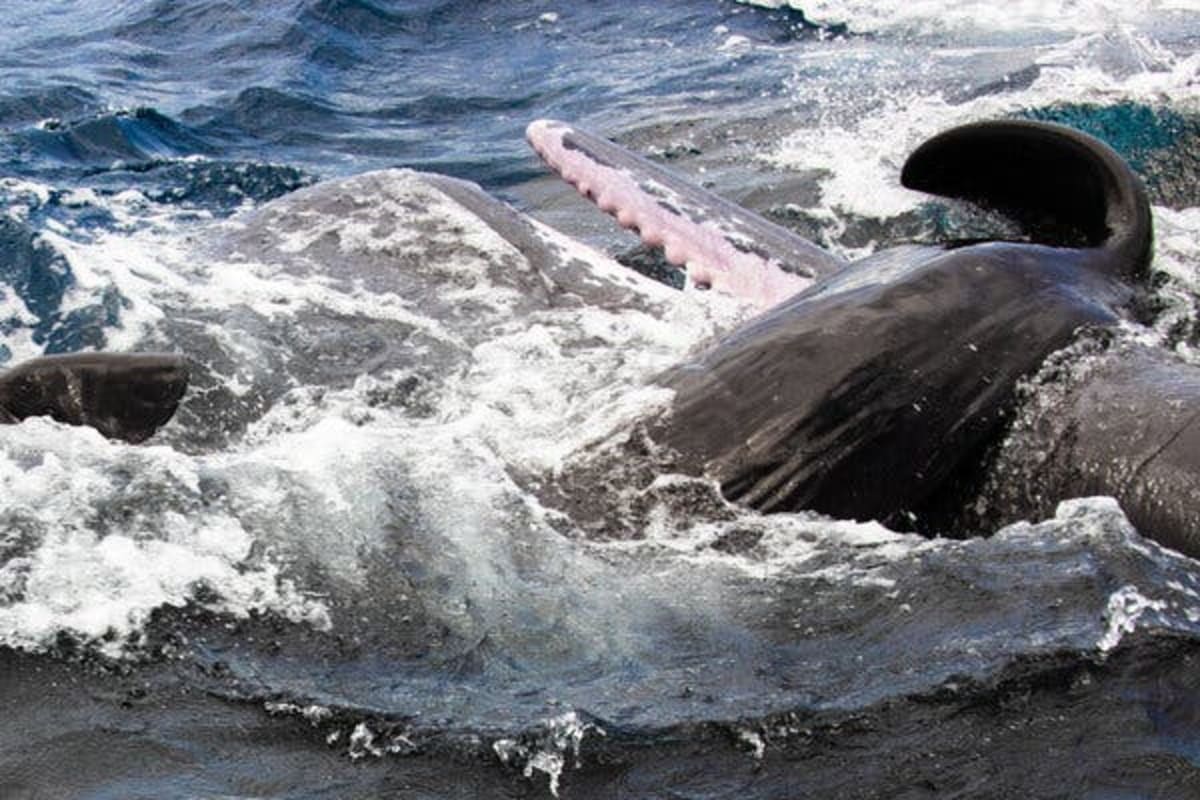
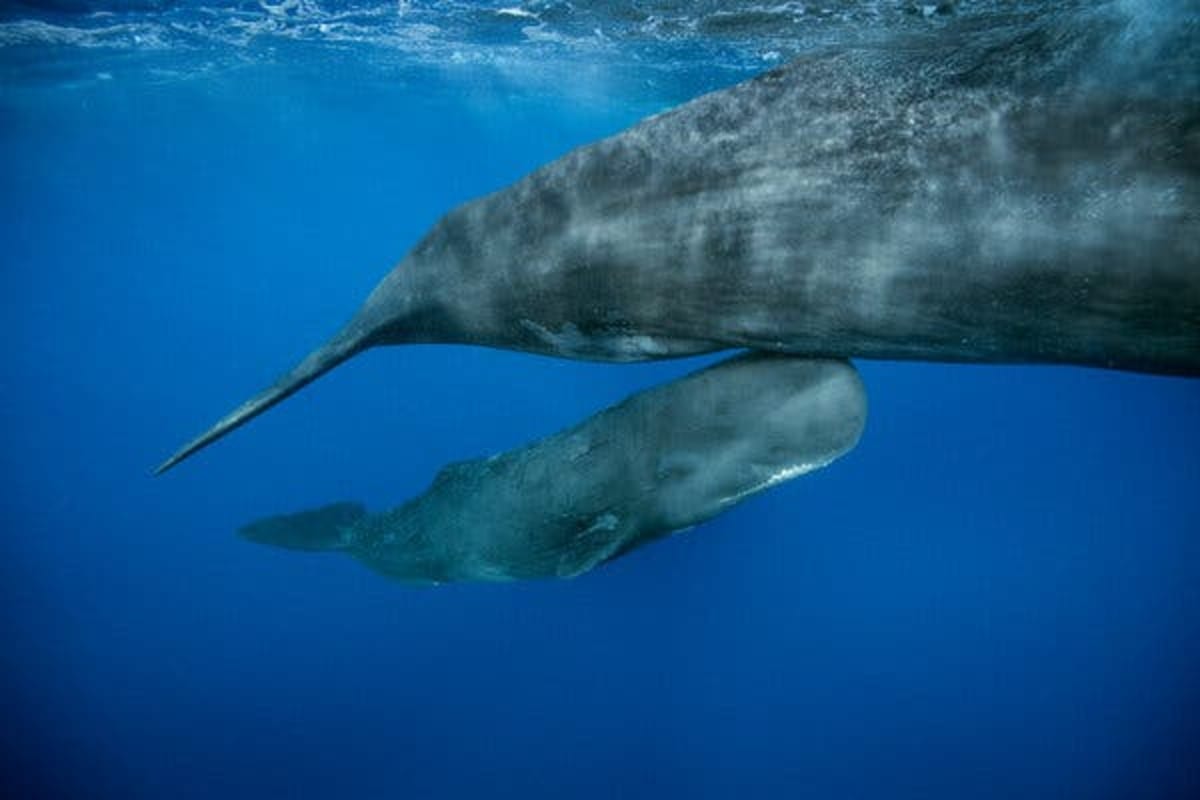
Project CETI researchers initially feared the worst when they saw 11 sperm whales huddled together, blood clouding the water. Then a tiny 12th whale appeared, carefully lifted to the surface by the group so it could take its first breath.
The birth was captured by drones, underwater recorders, and cameras, giving scientists an unprecedented look at how these vulnerable marine mammals support each other. The mother, nicknamed Rounder, was surrounded by family and friends throughout the delivery, which lasted about an hour and a half.
Here's what amazed scientists most: half the attending whales weren't related to Rounder. Her mother Lady Oracle stayed close before and during delivery, but unrelated whales like young Ariel also helped lift the newborn. Even Allan, a young male about to leave the group for a solitary life, showed up to assist.
The calf was almost never left alone. At least two whales touched and supported the tiny whale at all times, taking turns to ensure it could breathe at the surface until it learned to swim effectively.
Scientists long believed humans were unique in receiving birth assistance because of our difficult childbirth process. But researchers keep finding this assumption wrong. Dolphins, certain primates, and even some rodents now join whales in showing that cooperative birthing exists across species.
Why This Inspires
This discovery reveals something beautiful about social bonds in nature. The participation of unrelated whales suggests that sperm whale communities operate on reciprocity and mutual care, not just genetic survival instinct.
Shane Gero, who has studied these specific whales since 2005, watched Rounder grow from a nursing calf herself to a supported mother. These aren't random encounters but deep, lasting relationships built over years of swimming together in family units.
The research team, which aims to decode whale communication using artificial intelligence, analyzed every movement and sound during the birth. They confirmed the whales' positioning and touching patterns weren't random but deliberate acts of support, with each individual playing a primary supporter role at different moments.
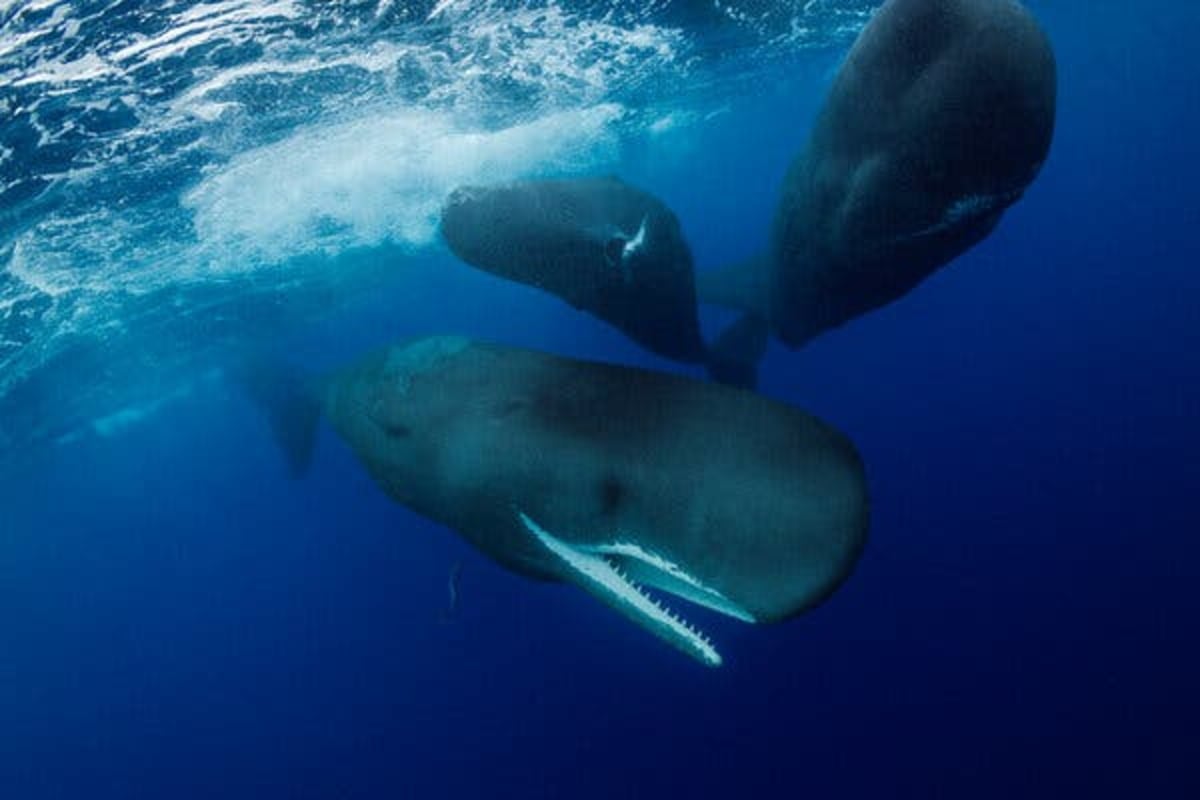
Sperm whales, made famous by Moby Dick and devastated by commercial whaling, remain classified as vulnerable. Witnessing this communal birth reminds us that we're still discovering the emotional complexity and social intelligence of these ocean giants.
In a world where we often focus on human uniqueness, moments like these show we have more in common with other species than we thought.
More Images
Based on reporting by Google News - Science
This story was written by BrightWire based on verified news reports.
Spread the positivity!
Share this good news with someone who needs it