Scientists Find 125-Million-Year-Old Dinosaur With Spiky Skin
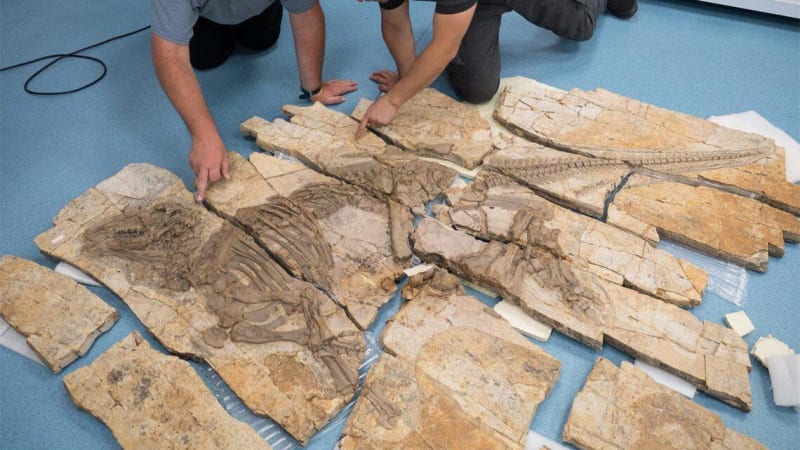
A nearly complete fossil from China preserves a juvenile dinosaur with hollow spikes covering its skin, a feature never seen before in any dinosaur. The 125-million-year-old discovery gives scientists their clearest look yet at dinosaur skin at the cellular level.
Scientists just discovered something extraordinary in northeastern China: a dinosaur fossil so perfectly preserved they can see individual skin cells from 125 million years ago.
The specimen, a juvenile plant-eater named Haolong dongi, stretches about 8 feet long and features something completely unexpected. Scattered across its scaly skin are hollow, cylindrical spikes, some as long as a AAA battery, made of hardened layers of keratin like our fingernails.
Researchers recovered the fossil from the Yixian Formation, a treasure trove of exceptionally preserved specimens from the Early Cretaceous period. While paleontologists have spent over a century studying dinosaur bones, soft tissue like skin almost never survives fossilization.
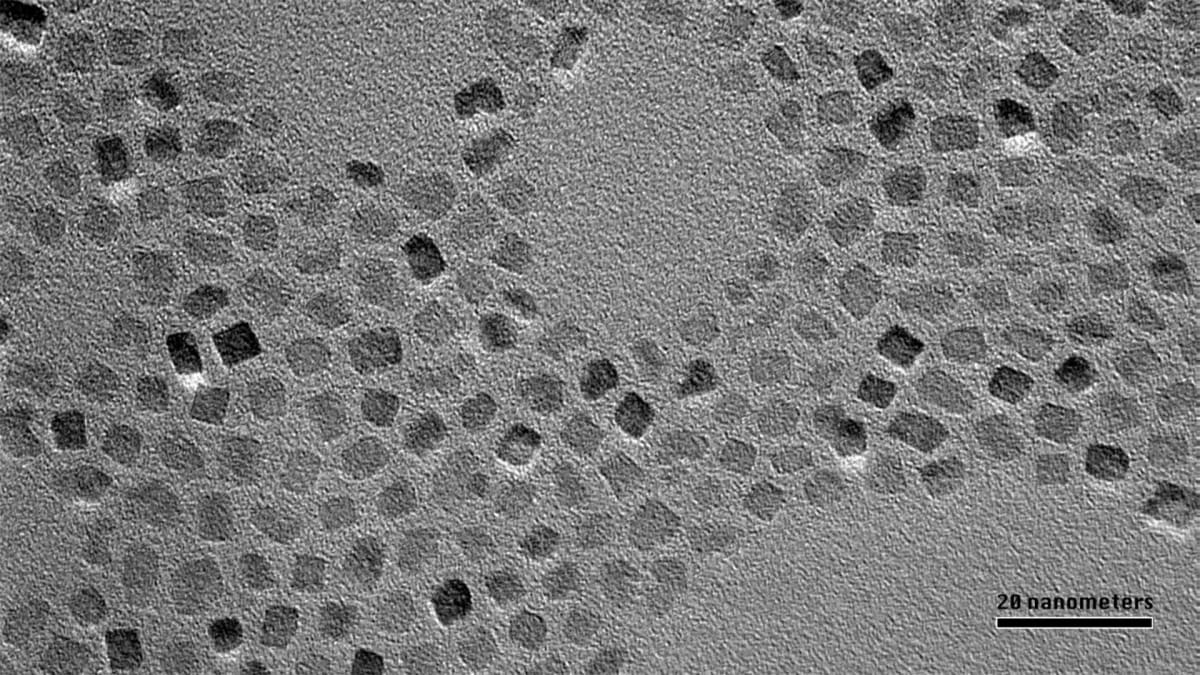
That's what makes this discovery so remarkable. The preservation quality allowed scientists to examine the spikes down to the cellular level, revealing keratinocyte nuclei, the cells that produce keratin.
Using advanced imaging techniques, the research team determined these spikes evolved independently from feathers or modern reptile spines. This suggests dinosaur body coverings were far more diverse and complex than anyone previously imagined.
The dinosaur's name honors two legacies. "Haolong" translates to "spiny dragon" in Chinese, while "dongi" pays tribute to Dong Zhiming, an influential Chinese paleontologist who died in 2024.
Haolong dongi belonged to the iguanodontia group, plant-eaters that bridged the evolutionary gap between early small herbivores and later massive duck-billed dinosaurs. Understanding this lineage helps scientists trace how plant-eating dinosaurs diversified over millions of years.
Why This Inspires
The discovery opens a window into details scientists thought they'd never see. While bones reveal how dinosaurs moved and grew, preserved skin shows how they actually looked and possibly defended themselves.
The spikes likely served as protection against predators, giving this ancient herbivore an armor system uniquely its own. Each new fossil like this one fills gaps in our understanding, revealing that the Age of Dinosaurs was even more diverse and surprising than we imagined.
The research team's findings, published in Nature Ecology & Evolution, represent decades of careful excavation, analysis, and scientific collaboration. Their work transforms what was once hidden in stone into knowledge we can share today.
This 125-million-year-old juvenile dinosaur just rewrote what we thought we knew about prehistoric life, one perfectly preserved spike at a time.
Based on reporting by Google: fossil discovery
This story was written by BrightWire based on verified news reports.
Spread the positivity!
Share this good news with someone who needs it