Scientists Find 132-Million-Year-Old Dinosaur Tracks in SA
A team of fossil hunters stumbled upon more than two dozen dinosaur tracks on South Africa's Western Cape coast, making them the youngest dinosaur footprints ever discovered in southern Africa. The 132-million-year-old prints fill a massive gap in the region's prehistoric record.
A chance decision to explore a tiny patch of coastal rock has rewritten what scientists know about dinosaurs in southern Africa.
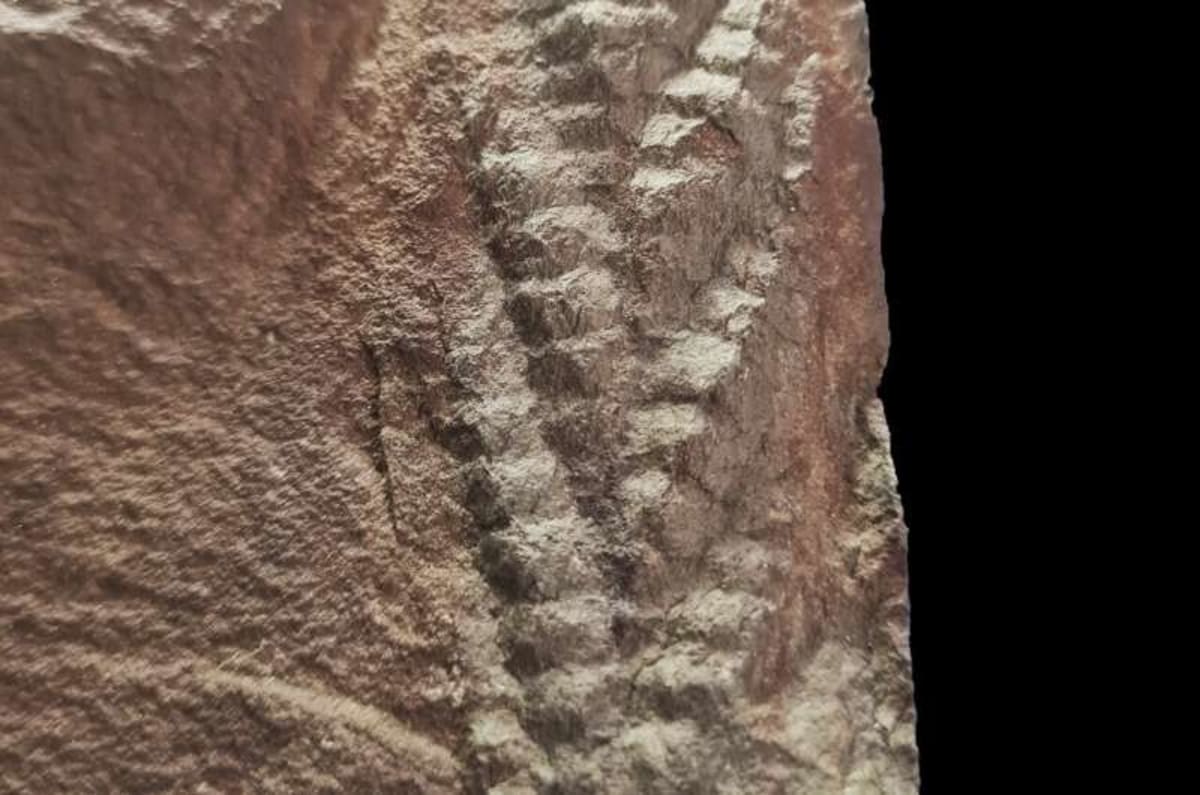
Researcher Linda Helm was exploring a small stretch of South Africa's Knysna coastline in early 2025 when she made an electrifying discovery. She'd found dinosaur tracks pressed into ancient rock, and lots of them.
The team of ichnologists (scientists who study fossil tracks) had actually been looking for dinosaur teeth in the area. Instead, they found more than two dozen footprints scattered across a rock formation barely 40 meters long and five meters wide.
What makes this discovery special is its age. These tracks are 132 million years old, making them the youngest dinosaur prints ever found in southern Africa and a full 50 million years younger than anything previously discovered in the region's famous Karoo Basin.
Southern Africa has long been celebrated for its dinosaur fossils, but about 182 million years ago, massive lava eruptions buried much of the landscape where dinosaurs roamed. After those eruptions, the dinosaur record went eerily quiet for millions of years, leaving scientists wondering what happened next.
These coastal tracks help answer that question. They prove dinosaurs didn't just survive in the region after the lava flows but thrived there well into the Cretaceous Period.
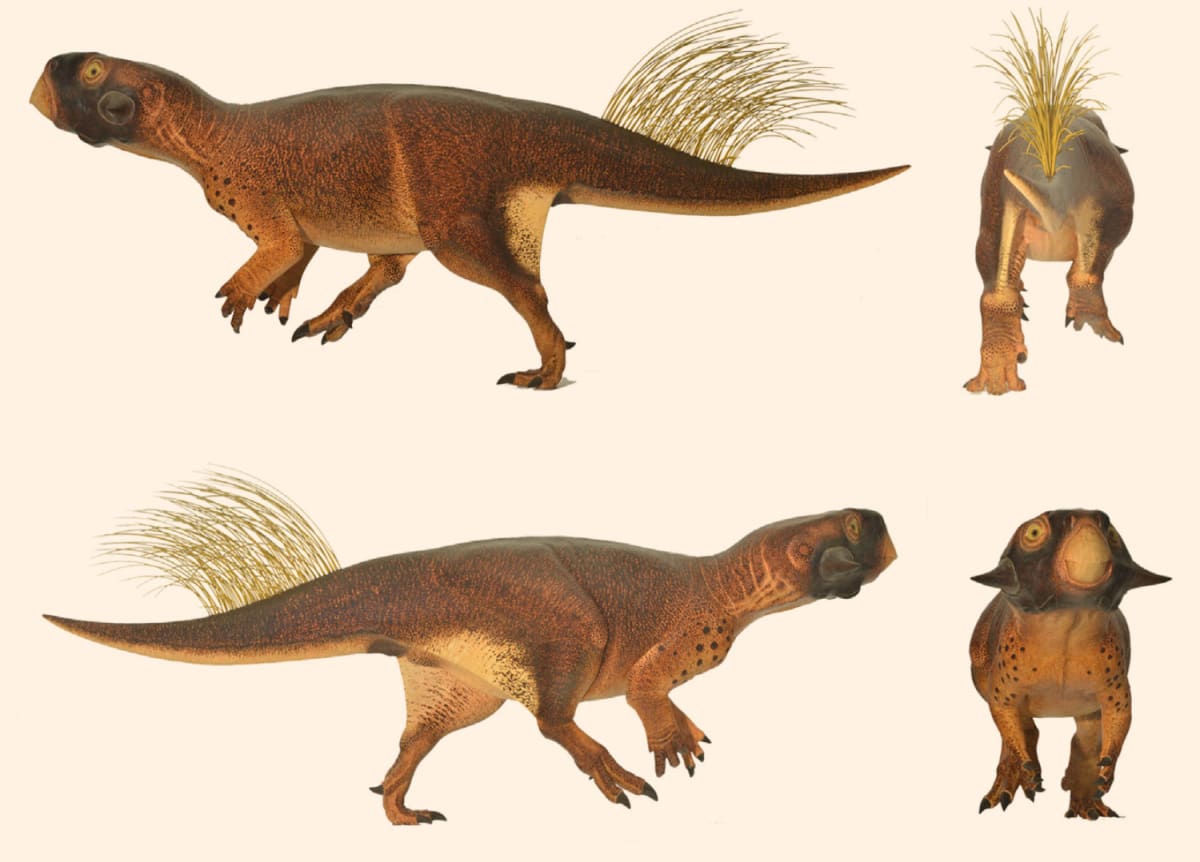
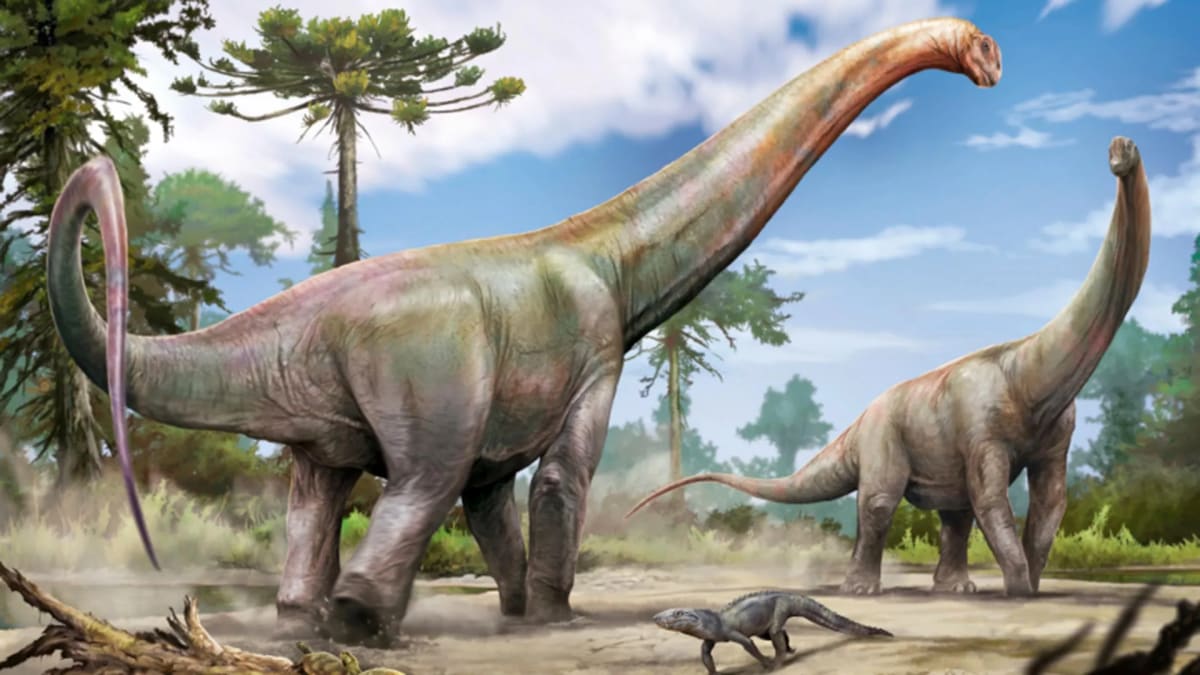
The prints likely came from several types of dinosaurs. Some were probably made by theropods (meat-eating dinosaurs that walked on two legs), while others might belong to ornithopods (plant-eating bipedal dinosaurs) or even massive sauropods with their long necks and tails.
Picture the scene 132 million years ago. Where tourists now admire Knysna's spectacular coastline and estuary, herds of dinosaurs once walked through tidal channels and river beaches, leaving their marks in the sand.
Why This Inspires
This discovery reminds us that Earth still holds countless secrets waiting to be found. A small team with curiosity and a willingness to explore an overlooked patch of rock has opened an entirely new window into prehistoric life.
The tracks sit in the modern intertidal zone, covered twice daily by high tide, yet they've survived for 132 million years. What else might be hiding in plain sight, just waiting for someone to look in the right place at the right time?
The find is already changing how scientists understand dinosaur distribution in southern Africa during a mysterious period when the ancient supercontinent of Gondwana was breaking apart. Each footprint is a snapshot of life persisting and adapting through massive geological changes.
One scientist's excited shout on a remote beach has filled a 50-million-year gap in Africa's dinosaur story, proving that the next great discovery might be just one curious step away.
More Images


Based on reporting by AllAfrica - Science
This story was written by BrightWire based on verified news reports.
Spread the positivity!
Share this good news with someone who needs it