Scientists Find 450-Million-Year-Old Soft Tissue Fossil
University of Oklahoma paleontologists discovered only the second known example of preserved soft tissue in ancient starfish relatives, offering a rare window into ocean life from 450 million years ago. The find is helping scientists understand how early marine animals evolved their feeding strategies.
Scientists at the University of Oklahoma just made a fossil discovery so rare, they're calling it "one in a million."
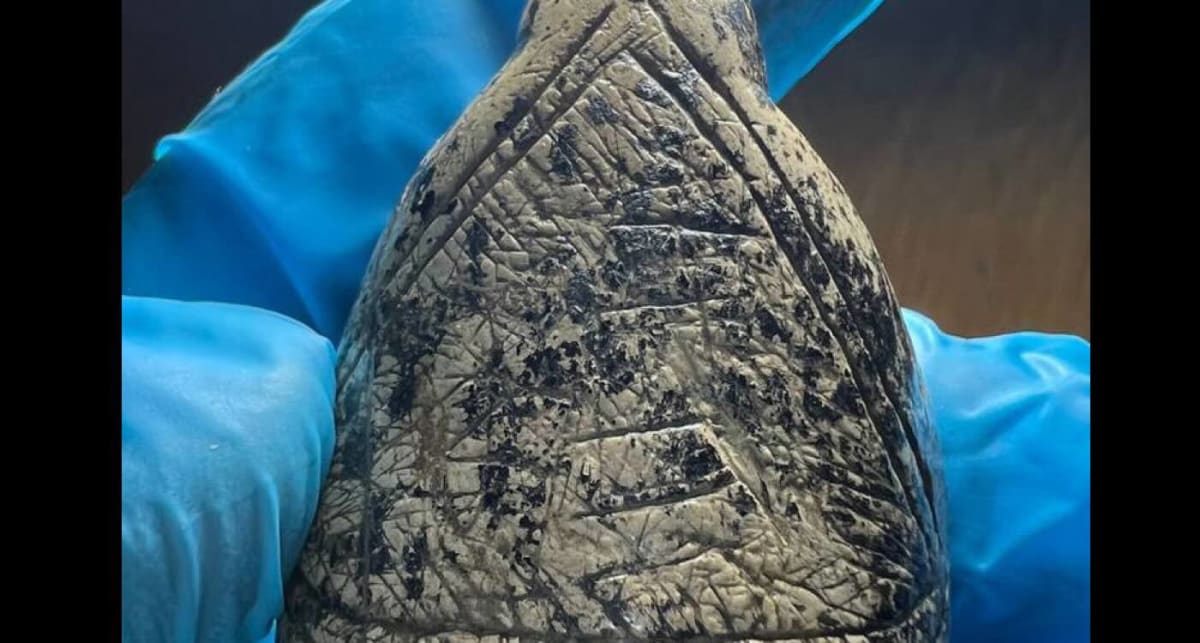
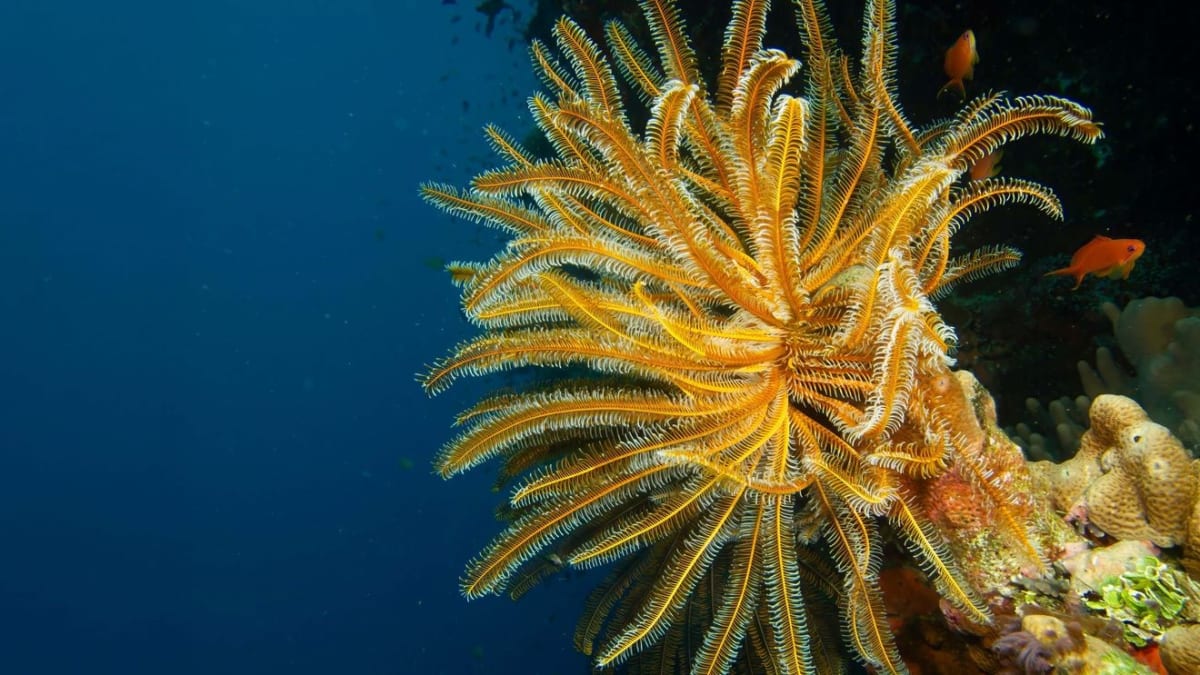
The team found preserved soft tissue in an ancient relative of starfish called a crinoid, which lived over 450 million years ago. Out of millions of known crinoid fossils, this represents only the second time soft tissue has ever been discovered.
Dr. Lena Cole, a paleontologist at the Sam Noble Oklahoma Museum of Natural History, explains why this find is extraordinary. When animals die, soft parts like skin, eyes, and organs decay first, leaving only bones, teeth, or shells to fossilize.
"Soft tissues are only preserved when the environment acts almost like a natural refrigerator or vacuum sealer," Cole said. Those conditions are incredibly rare in nature.
The specimen of Dendrocrinus simcoensis had been sitting in a small community-funded museum in Montréal for years. When Cole and her colleague Dr. David Wright examined it closely during a research visit, they realized what they had found.
The preserved tube feet are more than 200 million years older than the oldest dinosaur fossils. These delicate structures are essential for understanding how crinoids fed and interacted with ocean currents in Earth's earliest coral reefs.
Why This Inspires
This discovery shows how curiosity and careful observation can unlock secrets hidden for hundreds of millions of years. The fossil survived in a small museum supported entirely by community donations, waiting for the right experts to recognize its importance.
By comparing the ancient tube feet with living crinoids today, scientists are learning how these creatures changed their feeding strategies over vast stretches of time. Each detail preserved in the soft tissue tells part of the story of how life in Earth's oceans evolved.
The find reminds us that major scientific breakthroughs can happen anywhere, even in specimens that have been sitting on museum shelves for decades. Sometimes the most important discoveries are hiding in plain sight, waiting for someone to look closely enough to see them.
Based on reporting by Google: fossil discovery
This story was written by BrightWire based on verified news reports.
Spread the positivity!
Share this good news with someone who needs it