Scientists Find 70 Cosmic Magnifying Glasses in Space
Using AI and the largest 2D map of the universe ever created, scientists discovered 70 new gravitational lenses that will unlock secrets about dark matter and galaxy evolution. These rare cosmic alignments act as natural telescopes, magnifying distant objects billions of light-years away.
Scientists just discovered 70 new cosmic magnifying glasses that will help us peer deeper into the universe's secrets than ever before.
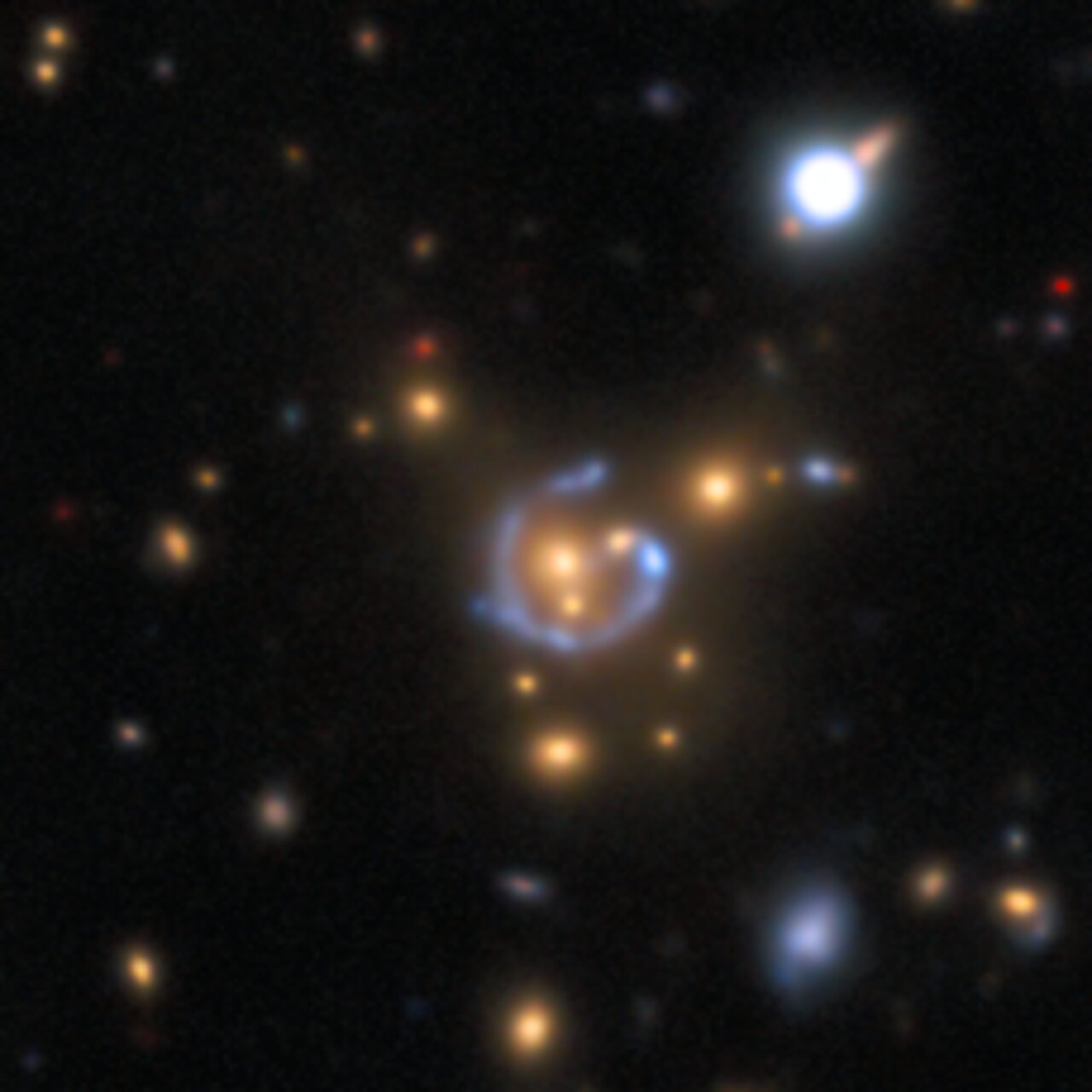
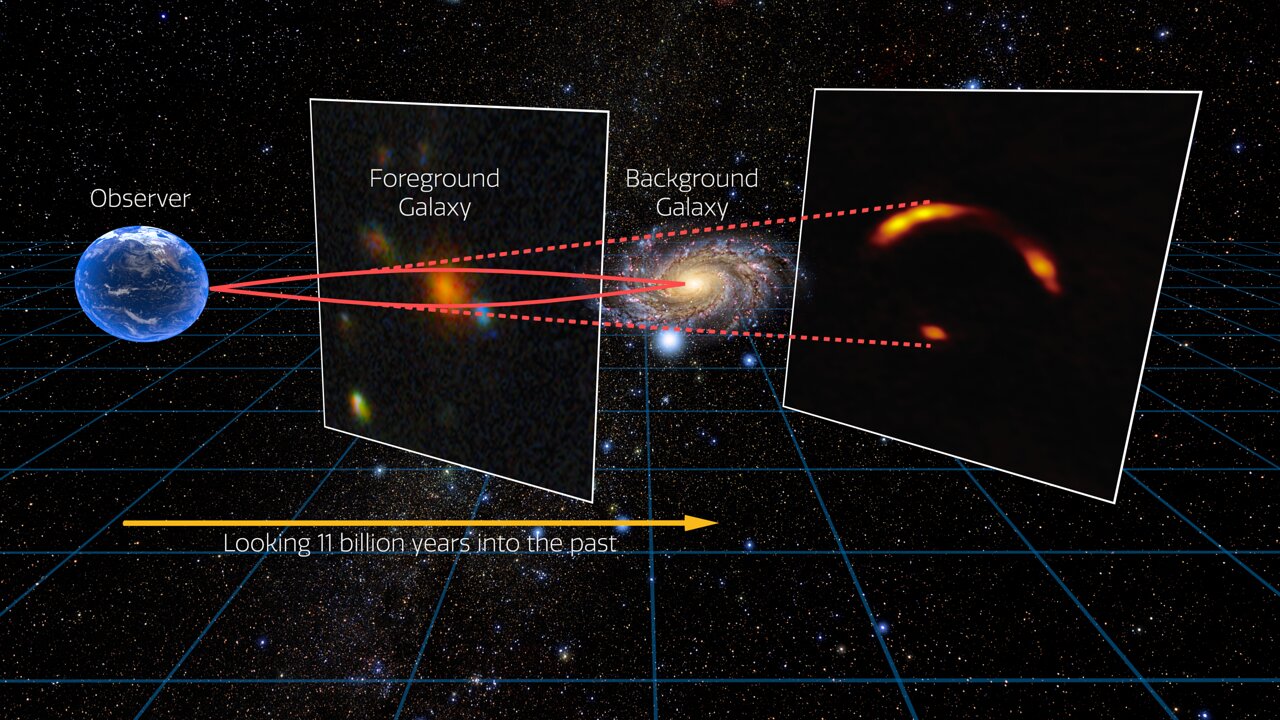
An international research team used artificial intelligence to scan the largest 2D map of the universe and found these rare gravitational lenses. Each one occurs when a massive galaxy or black hole sits perfectly between Earth and a more distant object, bending light like a giant natural telescope.
The discovery started with something extraordinary: a 5.6 trillion pixel map containing nearly four billion celestial objects. Released in August 2026, this map took 13 years to create using three telescopes in Chile and Arizona, plus data from a NASA satellite.
Finding gravitational lenses in such a vast dataset would have been nearly impossible by eye. The team turned to machine learning, training a neural network to spot the distinctive rings and arcs of light that signal a gravitational lens.
The AI identified about 3,500 potential candidates from the enormous dataset. Then came the hard part: confirming which ones were real lenses.
Undergraduate student Emerald Lin from UC Berkeley and research assistant Ivonne Toro Bertolla led the follow-up work, using spectroscopy to verify 70 of the candidates as genuine gravitational lenses. Their findings were recently published in The Astrophysical Journal.
These natural magnifying glasses are scientific gold. They let astronomers study galaxies from the early universe that would otherwise be too faint to see. They reveal where invisible dark matter lurks in space. They even help measure how fast the universe is expanding.
Why This Inspires
This discovery shows how technology and human curiosity are unlocking cosmic mysteries faster than ever. Just a few years ago, finding gravitational lenses happened mostly by luck. Now, combining massive sky surveys with AI allows scientists to systematically search the entire visible universe.
The team used computing power from the National Energy Research Scientific Computing Center to process the enormous amounts of data. What once took decades of chance discoveries now happens in months of focused searching.
Even better, this is just the beginning. The carefully confirmed sample of lenses will be used by researchers for years to come, each one opening a window to parts of the universe we could never reach otherwise.
The first gravitational lens was discovered at Kitt Peak National Observatory in Arizona. Now, those same telescopes contributed to finding 70 more, building on decades of astronomical detective work.
These cosmic magnifying glasses will help answer fundamental questions about how the universe formed, what dark matter really is, and how galaxies evolved over billions of years.
More Images

Based on reporting by Google News - Scientists Discover
This story was written by BrightWire based on verified news reports.
Building Something New? Try the BrightWire Tech Stack Advisor
Compare modern frameworks, cloud hosting, and AI tools tailored to your project budget and scale.
Spread the positivity!
Share this good news with someone who needs it