Scientists Find 800 Species in Hidden Pacific Ecosystem
Marine researchers discovered nearly 800 species living 4,000 meters below the Pacific Ocean, most never seen before. The five-year study reveals both the wonder of deep-sea life and how future mining might affect one of Earth's least explored places.
Scientists just mapped life in one of the most mysterious places on Earth and found hundreds of species we never knew existed.
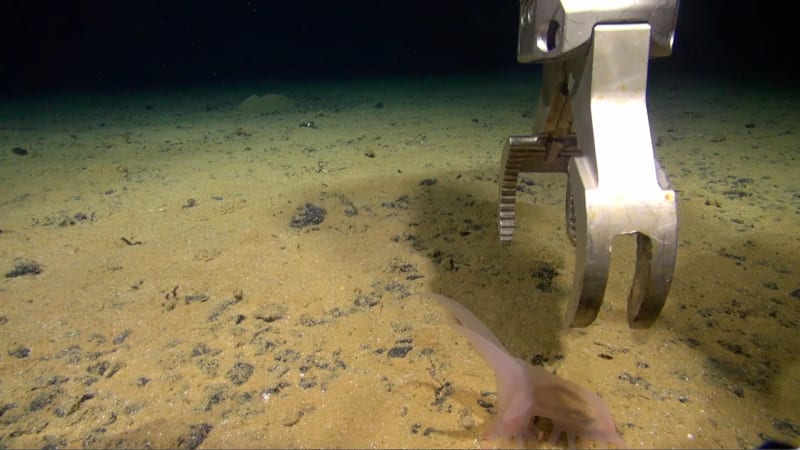
Over five years and 160 days at sea, an international team of marine biologists explored the deep Pacific seabed nearly 4,000 meters below the surface. Their mission was urgent: document life in this hidden world before mining operations potentially change it forever.
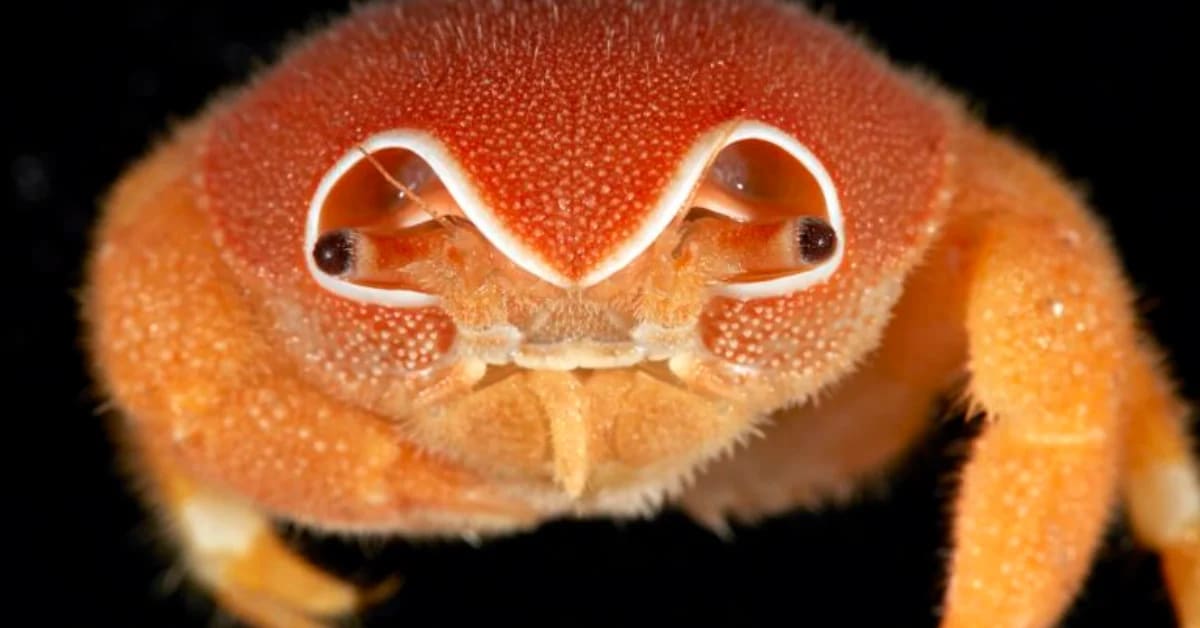
The Clarion-Clipperton Zone stretches between Mexico and Hawaii, where sunlight never reaches and food is incredibly scarce. Researchers collected 4,350 animals from the seafloor and identified 788 different species. Most were marine bristle worms, crustaceans, mollusks, and even a newly discovered solitaire coral.
"Critical metals are needed for our green transition, and they are in short supply," says marine biologist Thomas Dahlgren from the University of Gothenburg. "Several of these metals are found in large quantities on the deep-sea floor, but until now, no one has shown how they can be extracted or what environmental impact this would have."
The team also tested what happens when mining equipment disturbs the seafloor. Areas directly affected saw animal numbers drop by 37 percent and species diversity fall by 32 percent. The overall environmental impact was smaller than scientists feared, but the local damage was real and measurable.
Life at this depth is sparse in a way that's hard to imagine. The sediment layer grows just one thousandth of a millimeter per year. A sample from the North Sea might contain 20,000 animals, but a similar sample from this Pacific region holds only about 200 individual creatures, even though species diversity remains similar.
The Bright Side
This massive study gives us crucial knowledge we didn't have before. The International Seabed Authority, which regulates mineral mining in international waters, now has real data to guide future decisions instead of guesses.
The research also revealed how much we still don't know. Scientists protected 30 percent of the Clarion-Clipperton Zone from future mining, but they have virtually no idea what lives in those protected areas yet. That's the next frontier for exploration.
"Since most species have not been described previously, molecular DNA data was crucial," Dahlgren explains. His team in Gothenburg led the identification of marine polycheate worms, using cutting-edge genetic analysis to distinguish species that look nearly identical.
The discovery of so many unknown species reminds us that Earth still holds countless secrets, and we're finally developing the tools to explore them responsibly.
Based on reporting by Science Daily
This story was written by BrightWire based on verified news reports.
Spread the positivity!
Share this good news with someone who needs it