Scientists Find 9 Lichen Species That Track Pollution
Researchers in India discovered nine new lichen species that act as natural air quality monitors, offering a living tool to track environmental health. These tiny organisms could help communities worldwide understand pollution levels without expensive equipment.
Scientists in India just found nine lichen species that work like nature's own pollution detectors, giving us a new way to watch over the air we breathe.
Researchers at CSIR-National Botanical Research Institute discovered the lichens in Madhya Pradesh's Vindhyachal region. The team, led by scientist Gaurav K. Mishra, found species never before recorded in the area.
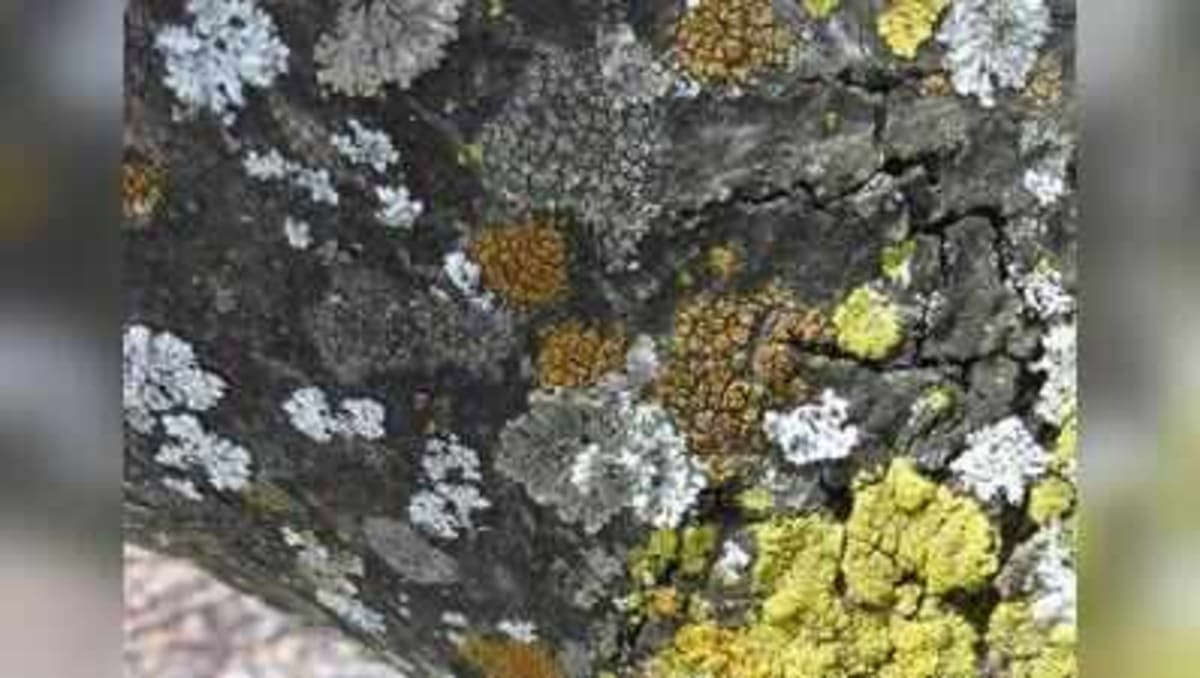
Lichens might look like simple moss patches on rocks and trees, but they're actually partnerships between fungi and algae working together. The fungus provides shelter while the algae makes food through photosynthesis.
What makes these organisms special is their sensitivity to air quality. Lichens absorb substances from rain and air, including pollutants and heavy metals. When pollution rises, lichens struggle or disappear entirely.
"Their presence and diversity can provide important clues about changing environmental conditions," Mishra explained. Healthy lichen populations mean cleaner air, while declining numbers signal trouble.
Beyond monitoring, lichens play a surprising role in building healthy ecosystems. They slowly break down bare rock, helping create soil where nothing else can grow. Some species even capture nitrogen from the air and make it available for plants to use.
The Ripple Effect
This discovery matters far beyond one region in India. Lichens offer communities everywhere an affordable way to track air quality without expensive monitoring equipment. Cities and towns could use lichen surveys to identify pollution hotspots and measure whether cleanup efforts are working.
The research, published in the international journal Vegetos, adds valuable data to our understanding of environmental health indicators. Dr. Zabeer Ahmed, director of CSIR-NBRI, noted that lichen diversity provides critical information about ecosystem health.
For areas without access to high-tech sensors, these living monitors could become essential tools. Citizen scientists and school groups can learn to identify lichens, turning environmental monitoring into a hands-on community project.
The Vindhyachal region's rich lichen diversity also suggests the area maintains relatively good air quality, a hopeful sign for central India. As researchers continue studying these species, they'll build a clearer picture of how environmental changes affect the region.
These tiny partnerships between fungi and algae prove that nature often provides the solutions we need, if we just pay attention.
More Images



Based on reporting by Google News - Scientists Discover
This story was written by BrightWire based on verified news reports.
Spread the positivity!
Share this good news with someone who needs it