Scientists Find Bed Bugs' Surprising Weakness: Water
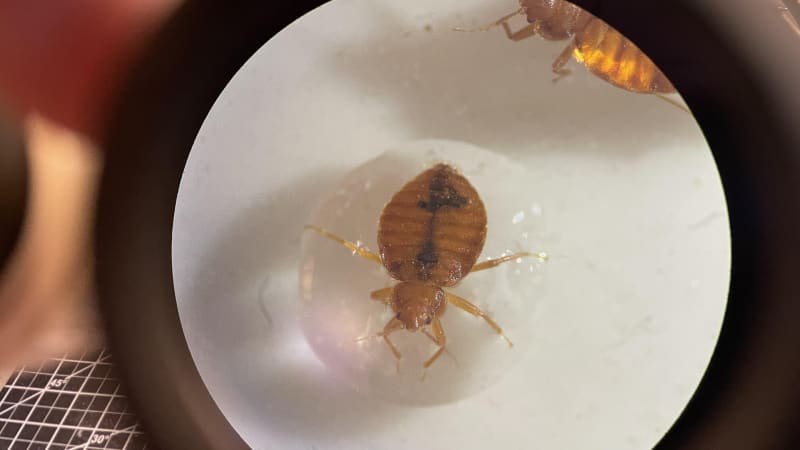
UC Riverside researchers discovered bed bugs actively avoid water and wet surfaces, a previously unknown behavior that could change how we fight infestations. A simple bath might be all you need if you suspect bed bugs on your body.
Scientists just discovered a simple weakness in one of humanity's most stubborn pests, and it might change how we deal with bed bug infestations forever.
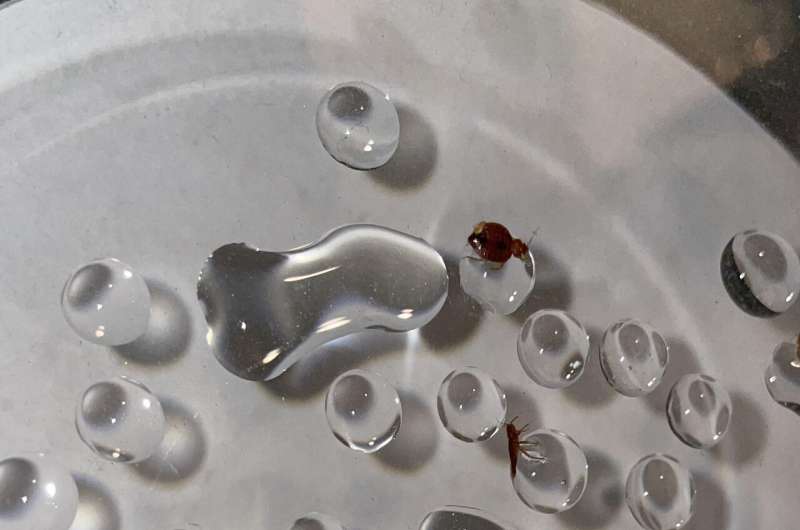
Researchers at UC Riverside found that bed bugs fear water and flee from wet surfaces at remarkable speeds. The discovery happened by accident when a feeding membrane tore in the lab, causing blood to leak onto paper where bed bugs were resting.
"I thought the bed bugs would be happy to drink the blood from the paper," said entomology professor Dong-Hwan Choe. "But what I saw was very different. They were actively avoiding the part of paper that became wet with blood."
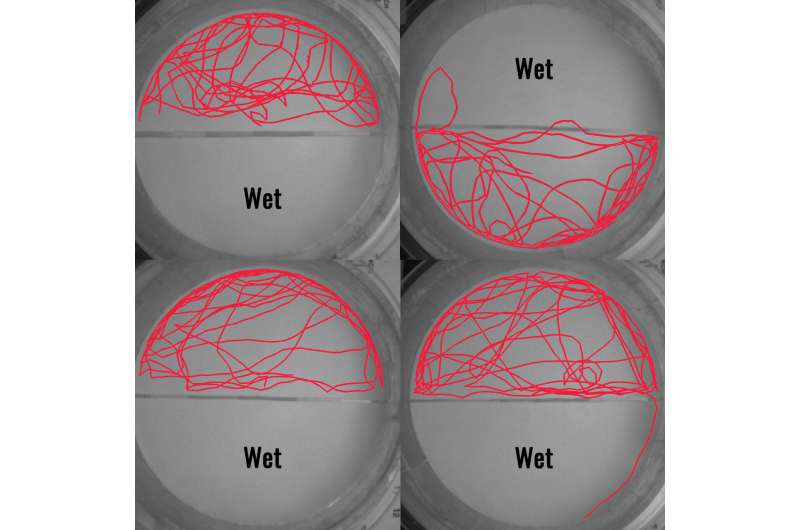
The team tested the behavior with plain water and got the same results. Using infrared cameras and tracking software, postdoctoral researcher Jorge Bustamante documented exactly how bed bugs of all ages and both genders scrambled away from moisture.
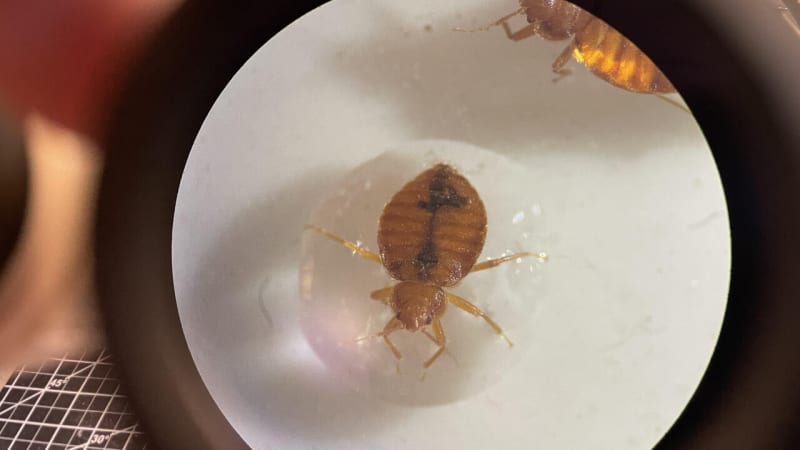
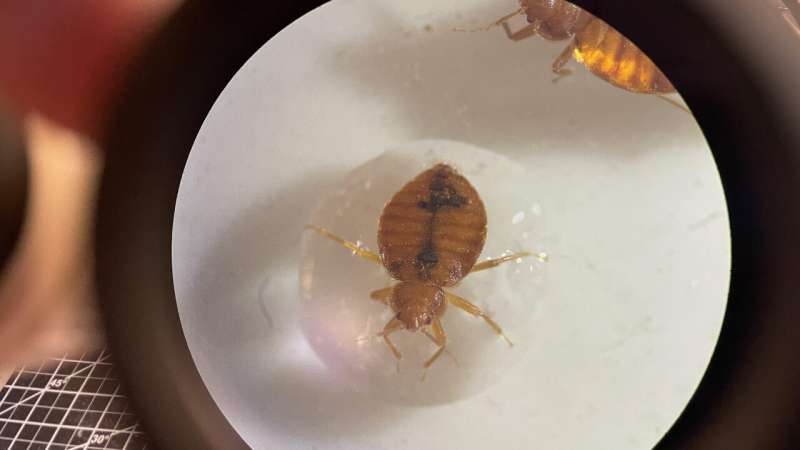
The reason for this fear makes perfect sense. Bed bugs have extremely flat bodies with tiny breathing holes called spiracles on their bellies. When they touch water, it sticks to their flat surfaces and blocks these airways, potentially drowning them.
Young bed bugs showed even stronger reactions than adults, making faster U-turns when approaching wet areas. The insects consistently fled from water faster than they approached it, showing genuine avoidance rather than random movement.
The Bright Side
This discovery offers hope for people dealing with infestations. If you think bed bugs are on your body, the solution is wonderfully simple: take a bath. The bugs will abandon ship rather than risk contact with water.
The finding also helps explain why some water-based insecticide sprays don't work as expected. Bed bugs may simply run away from treated wet surfaces before the chemicals can work, spreading to other parts of a home instead of dying on contact.
Pest control companies can now design better treatments that account for this behavior. Understanding how bed bugs react to moisture opens new possibilities for non-toxic control methods that use their own survival instincts against them.
After years of bed bugs developing resistance to chemical treatments, finding a weakness they can't evolve away from feels like a genuine win for homeowners everywhere.
More Images
Based on reporting by Phys.org
This story was written by BrightWire based on verified news reports.
Spread the positivity!
Share this good news with someone who needs it