Scientists Find Brain Cells Behind Depression
Researchers have identified two specific brain cell types that function differently in people with depression, marking a major step toward targeted treatments. The discovery proves depression is rooted in measurable biological changes, not just emotions.
For the first time ever, scientists have pinpointed exactly which brain cells are affected in people with depression, opening a path to treatments that could target the root cause of this widespread condition.
Researchers at McGill University and the Douglas Institute analyzed brain tissue from 100 donors using advanced genetic tools. They discovered that two specific types of brain cells behave differently in people with depression compared to those without the condition.
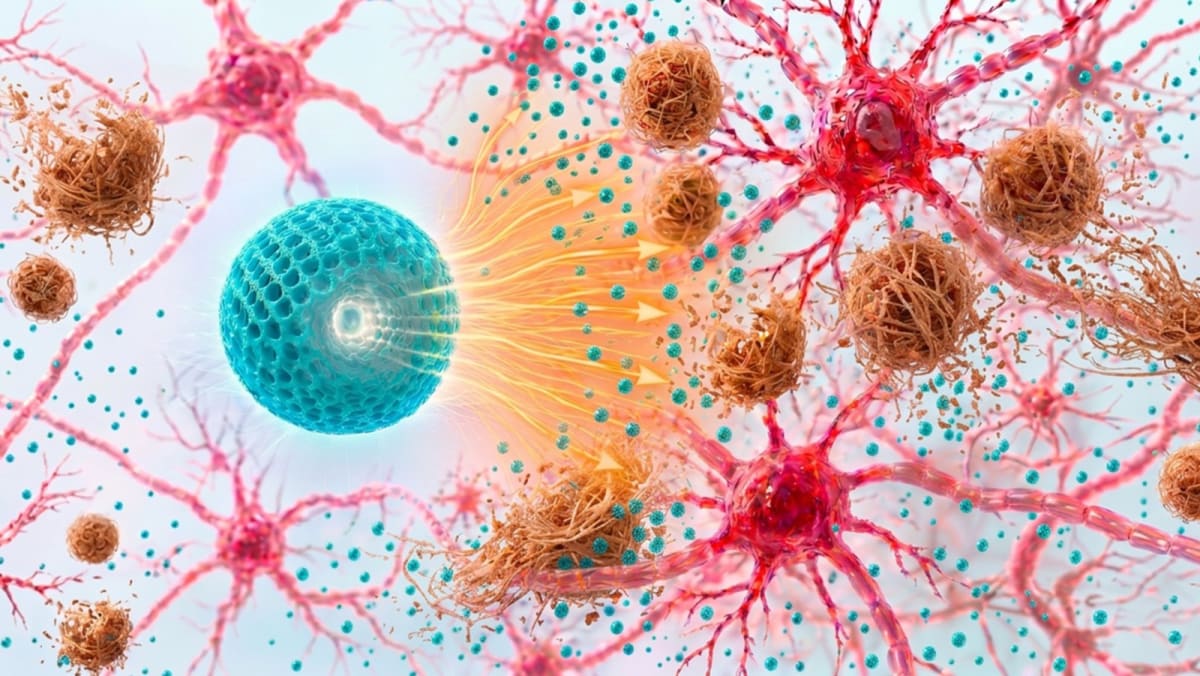
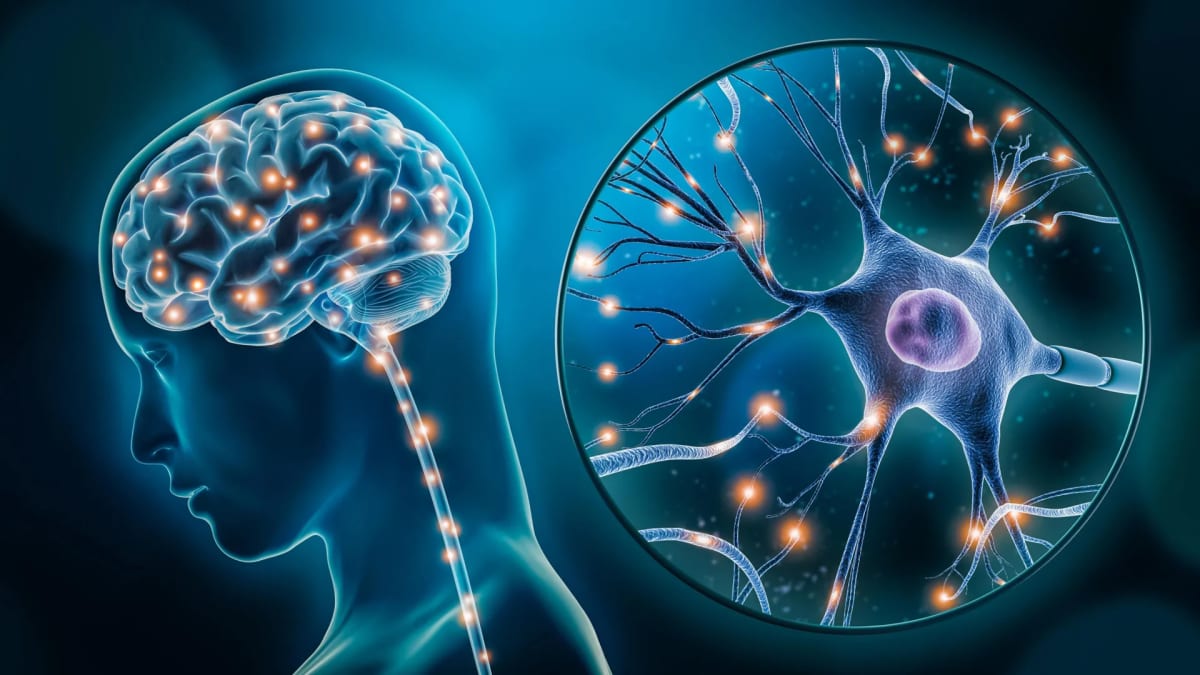
The first type is a group of neurons that help regulate mood and stress responses. The second is a subtype of microglia, immune cells in the brain that control inflammation.
In both cell types, genes showed significantly different activity levels in people with depression. This suggests these critical brain systems aren't functioning normally, which could explain how depression develops at a biological level.
The breakthrough was only possible because of the Douglas-Bell Canada Brain Bank, one of the few collections in the world that includes donated brain tissue from people who had psychiatric conditions. Using single-cell genomic techniques, scientists examined DNA and RNA from thousands of individual brain cells to map exactly what was happening.
"This is the first time we've been able to identify what specific brain cell types are affected in depression," said Dr. Gustavo Turecki, the study's senior author and a leading researcher in major depressive disorder. The findings give scientists a much clearer picture of where disruptions happen and which cells are involved.
Why This Inspires
This research matters for more than 264 million people worldwide living with depression. For too long, the condition was misunderstood as purely emotional or a character flaw, but this study provides hard evidence that depression reflects real, measurable changes in the brain.
The discovery validates what people with depression have always known: it's a legitimate medical condition deserving of serious scientific attention and effective treatment. By identifying the specific cells involved, researchers can now work on therapies designed to restore normal function in these exact areas.
The team's next step is to investigate how these cellular differences affect overall brain function and whether new therapies targeting these specific cells could help people recover more effectively. After years of trial and error with depression treatments, precision medicine tailored to these biological targets could transform care.
This is what hope looks like in action: scientists asking better questions, using cutting-edge tools, and refusing to accept that millions of people must simply endure their suffering without answers.
Based on reporting by Science Daily
This story was written by BrightWire based on verified news reports.
Spread the positivity!
Share this good news with someone who needs it