Scientists Find Brain Network Behind Parkinson's Disease
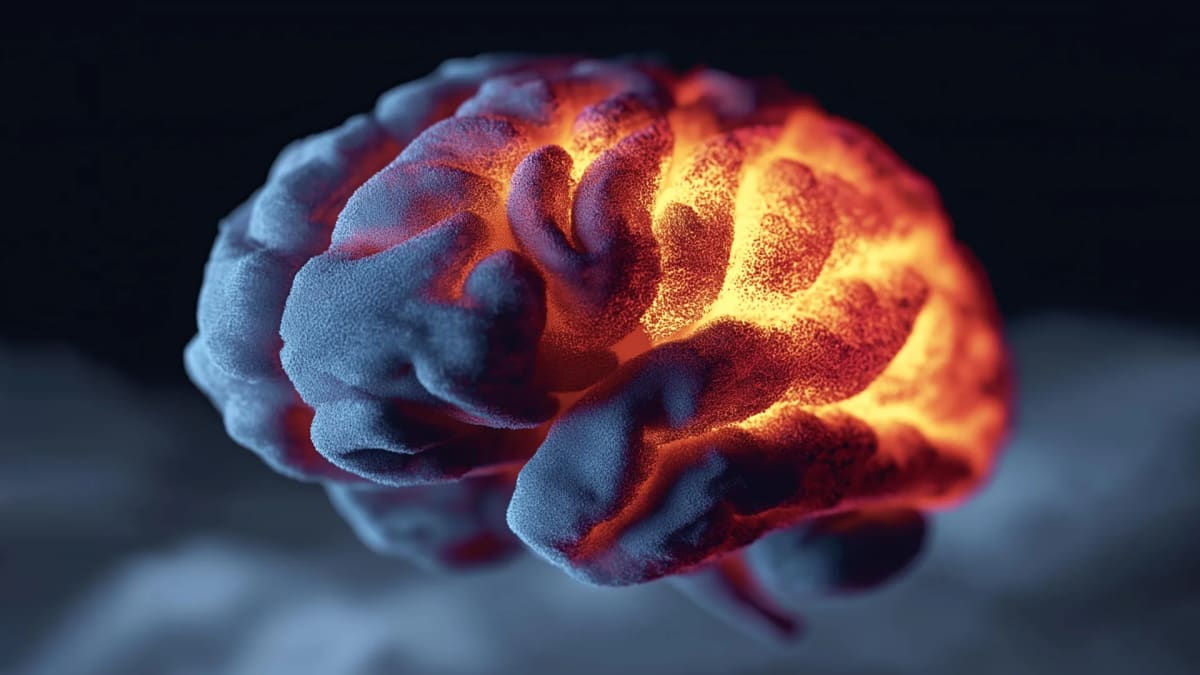
Researchers identified a specific brain network driving Parkinson's disease and showed that targeting it with non-invasive treatment more than doubled symptom improvement. The discovery could transform how doctors diagnose and treat the disease affecting over 10 million people worldwide.
Scientists just discovered what may be the root cause of Parkinson's disease hiding in plain sight, and they've already started turning that knowledge into better treatments.
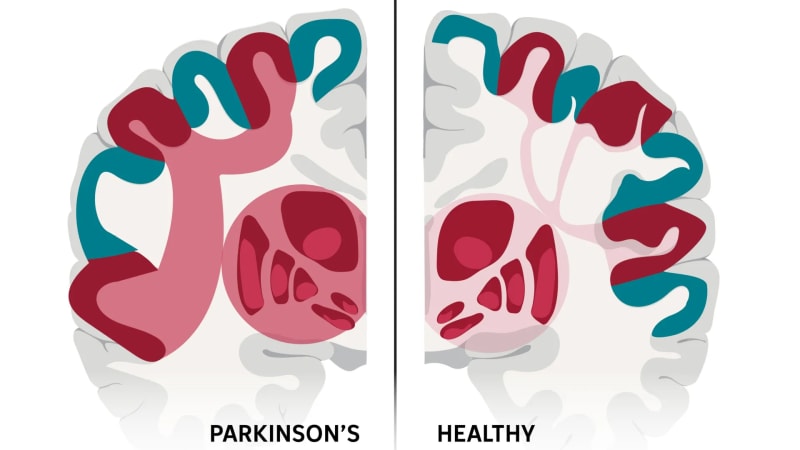
An international research team led by China's Changping Laboratory and Washington University School of Medicine identified a brain network called SCAN that becomes overconnected in people with Parkinson's. This excessive wiring disrupts not just movement, but also thinking, sleep, and digestion.
The finding challenges decades of assumptions about the disease. For years, doctors focused mainly on one brain region controlling muscle movements. But this study revealed something bigger: Parkinson's affects a whole network responsible for translating planned actions into physical motion.
The researchers analyzed brain imaging from more than 800 participants across the United States and China. They examined people receiving various treatments including deep brain stimulation, transcranial magnetic stimulation, focused ultrasound, and medications. The pattern was clear across every therapy: treatments worked best when they reduced the overconnection in SCAN.
Then came the real breakthrough. The team developed a precision treatment using transcranial magnetic stimulation, a non-invasive technique that delivers magnetic pulses through a device placed on the head. In a clinical trial with 36 patients, those receiving SCAN-targeted stimulation showed a 56% response rate after two weeks. Patients who received stimulation to nearby brain regions improved only 22% of the time, making the targeted approach 2.5 times more effective.
"This work demonstrates that Parkinson's is a SCAN disorder," said co-author Dr. Nico Dosenbach, a neurology professor at Washington University. "Changing the activity within SCAN could slow or reverse the progression of the disease, not just treat the symptoms."
Current treatment options like long-term medications and invasive deep brain surgery can reduce symptoms but don't stop Parkinson's from advancing. They also don't offer a cure. More than 1 million Americans and 10 million people worldwide live with this progressive condition.
The Ripple Effect
The implications reach far beyond the trial results. Because this treatment doesn't require brain surgery, doctors could start helping patients much earlier in their diagnosis. The precision targeting also means fewer side effects and better outcomes tailored to each person's unique brain wiring.
Dr. Hesheng Liu, the study's senior author, emphasized how this reframes the entire disease. The excessive connectivity between SCAN and the subcortex, a region involved in emotion and memory, explains why Parkinson's affects so many aspects of life beyond just movement.
The findings, published in Nature in February 2026, point toward a new era of more precise treatment approaches.
More research is still needed to understand how different parts of SCAN contribute to specific symptoms, but the foundation is now in place for treatments that could actually change the disease's course rather than just manage its effects.
Based on reporting by Health Daily
This story was written by BrightWire based on verified news reports.
Spread the positivity!
Share this good news with someone who needs it