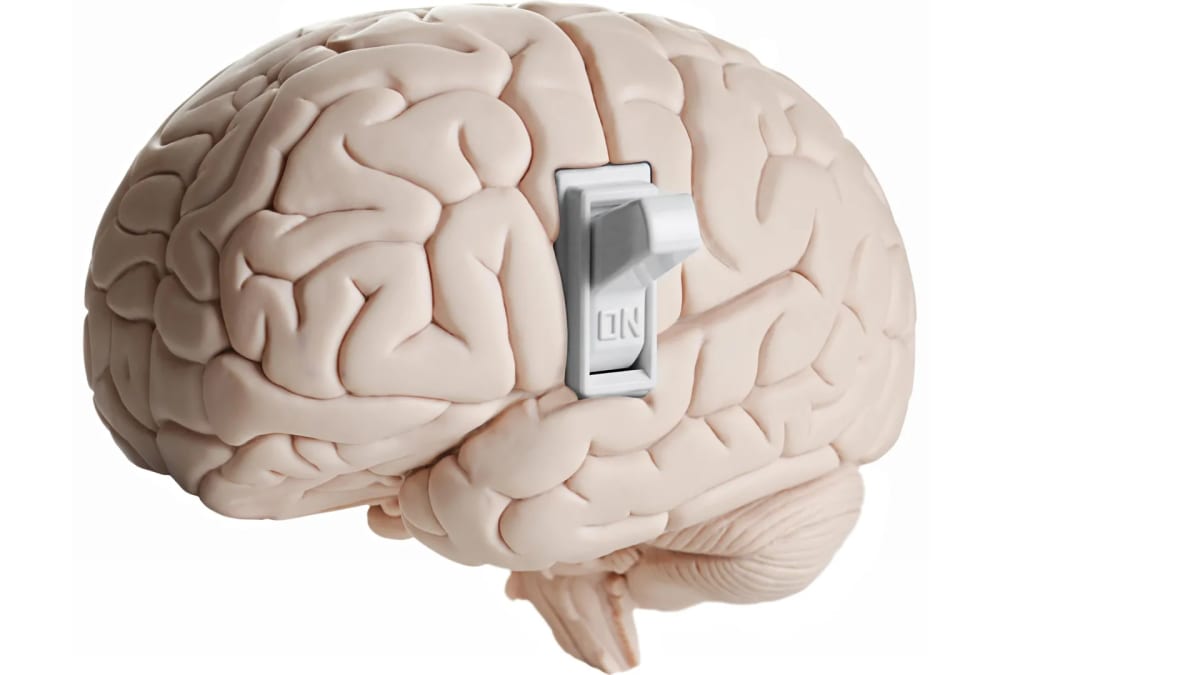
Scientists Find Brain's Hidden "Stop Eating" Switch
Your brain's fullness signal doesn't come from neurons alone. Researchers discovered that support cells called astrocytes play a starring role in telling you when to stop eating.
For years, scientists thought neurons were the only cells telling your brain when you're full, but a groundbreaking discovery reveals they had backup all along.
Researchers from the University of Maryland and the University of Concepción in Chile uncovered a hidden communication pathway in the brain that controls appetite. Published in April 2026, their study shows that astrocytes, long dismissed as simple support cells, actually serve as crucial messengers in the "stop eating" signal.
Here's how the chain reaction works. After you eat, glucose levels rise in your cerebrospinal fluid. Specialized cells called tanycytes detect this sugar and release lactate into surrounding brain tissue.
That lactate then activates nearby astrocytes through a receptor called HCAR1. Once activated, these astrocytes release glutamate, a chemical messenger that finally signals neurons to suppress your appetite and create that satisfied, full feeling.
"People tend to immediately think of neurons when they think about how the brain works," said Professor Ricardo Araneda, who led the UMD team. "But we're finding that astrocytes are also participating in how our brains regulate how much we eat."
The discovery gets even more interesting. The researchers found that this system might work on both sides of appetite control at once, activating fullness neurons while quieting hunger neurons. When scientists introduced glucose into a single tanycyte, the signal spread across multiple surrounding astrocytes like ripples in a pond.
Why This Inspires
This decade-long collaboration between two universities on different continents shows how patient, dedicated research can reveal hidden truths about our bodies. The finding opens entirely new possibilities for treating obesity and eating disorders.
Because all mammals have both tanycytes and astrocytes, this mechanism likely works the same way in humans. Researchers are now testing whether targeting the HCAR1 receptor could influence eating behavior and complement existing treatments.
"It would be a novel target that may complement existing therapies and improve the lives of many who suffer from obesity and other appetite-related conditions," Araneda explained.
Sometimes the most important discoveries come from looking at what's been hiding in plain sight all along.
Based on reporting by Google News - Scientists Discover
This story was written by BrightWire based on verified news reports.
Spread the positivity!
Share this good news with someone who needs it