Scientists Find Cancer's Shield and How to Break It
Researchers discovered why lung cancer becomes drug-resistant and found a natural compound that shrinks tough tumors. The breakthrough could help millions of patients whose treatments stop working.
Scientists in Singapore just cracked one of lung cancer's most dangerous secrets: how cancer cells build protective shields around themselves to survive treatment.
Researchers at A*STAR Institute of Molecular and Cell Biology discovered that lung cancer cells flood themselves with ATP, an energy molecule, which activates a receptor called P2Y2. This receptor then recruits a partner protein to form a protective barrier around mutated cancer proteins, stopping them from being broken down like they should be.
The finding matters because lung cancer kills more people than any other cancer worldwide. In Southeast Asia, up to 60% of a common lung cancer type carries mutations that make cells grow uncontrollably. While targeted drugs work at first, nearly every patient eventually stops responding.
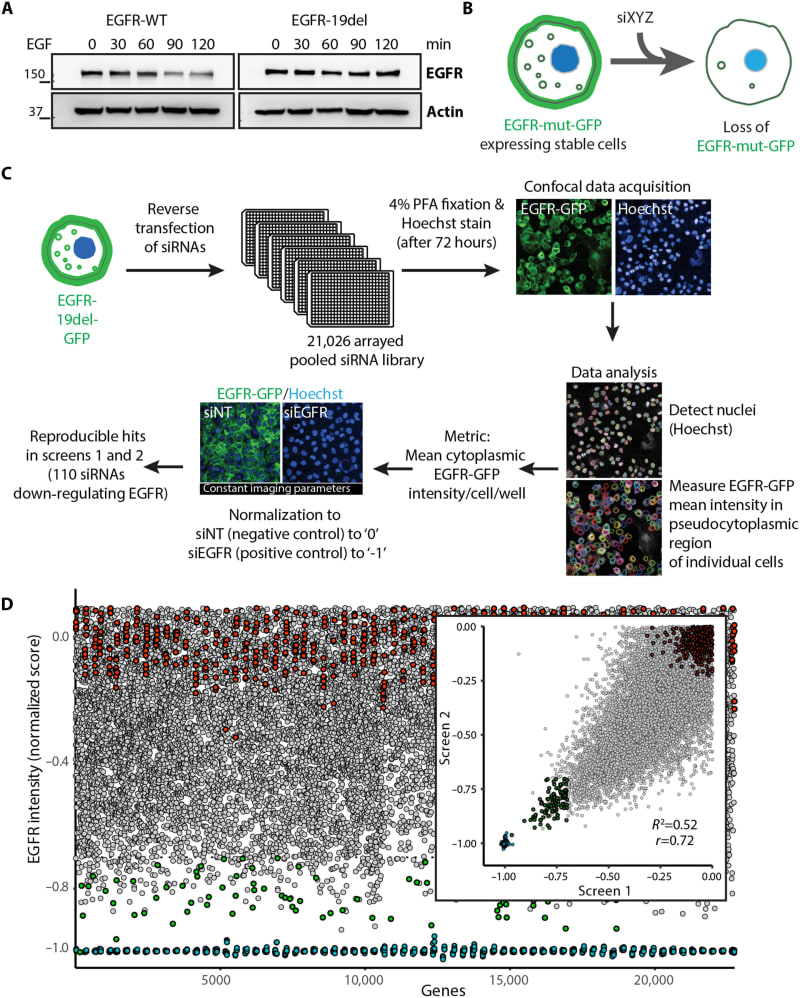
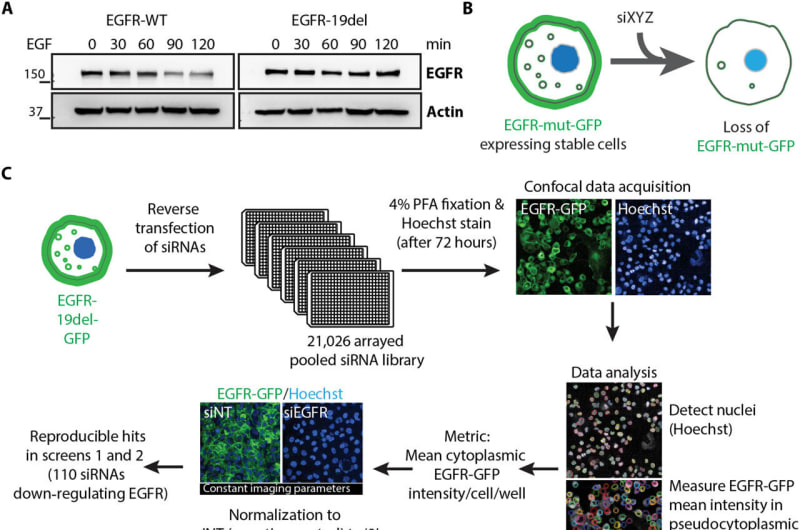
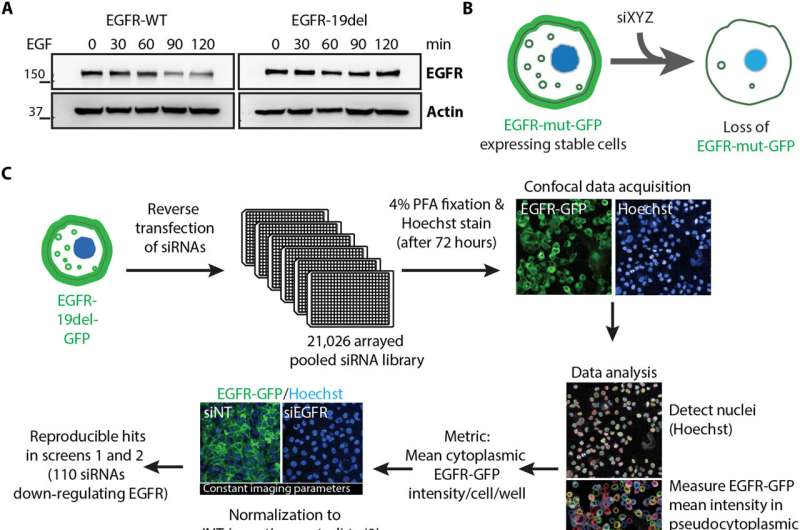
The research team screened over 21,000 genes to find this protective system. They confirmed their discovery by examining tissue from 29 lung cancer patients, finding elevated levels of both P2Y2 and the partner protein in tumors compared to healthy tissue.
Here's where it gets exciting. When researchers removed this protective system from drug-resistant cancer cells, the mutant proteins almost completely disappeared. The cancer cells couldn't survive without their shields.
The team tested kaempferol, a natural compound found in vegetables like kale and broccoli. In laboratory models with drug-resistant human lung tumors, daily kaempferol treatment significantly shrank tumors over 24 days. The treatment targeted only cancer cells with mutations while leaving normal cells completely untouched.
Dr. Gandhi Boopathy, who co-led the study, explains that P2Y2 sits on the cell surface, making it much easier for drugs to reach than targets hidden inside cells. This accessibility could speed up drug development dramatically.
The Ripple Effect
This discovery opens new doors for the millions of lung cancer patients who watch their treatments stop working. By targeting the scaffolding that keeps cancer stable rather than just the mutation itself, doctors could potentially combine this approach with existing drugs to prevent or overcome resistance.
The research represents a collaborative effort spanning Singapore, Taiwan, and France, showing how global scientific cooperation tackles our toughest health challenges. Clinical trials testing this approach in humans could begin within years, not decades.
Cancer just lost one of its best defense mechanisms.
More Images
Based on reporting by Medical Xpress
This story was written by BrightWire based on verified news reports.
Spread the positivity!
Share this good news with someone who needs it