Scientists Find Cell Process That May Slow Aging
Researchers discovered how cells naturally reorganize a key internal structure as we age, opening doors to potential treatments for age-related diseases. The breakthrough could help people live longer and healthier lives.
Scientists at Vanderbilt University just uncovered a cellular survival strategy that might hold the secret to healthier aging.
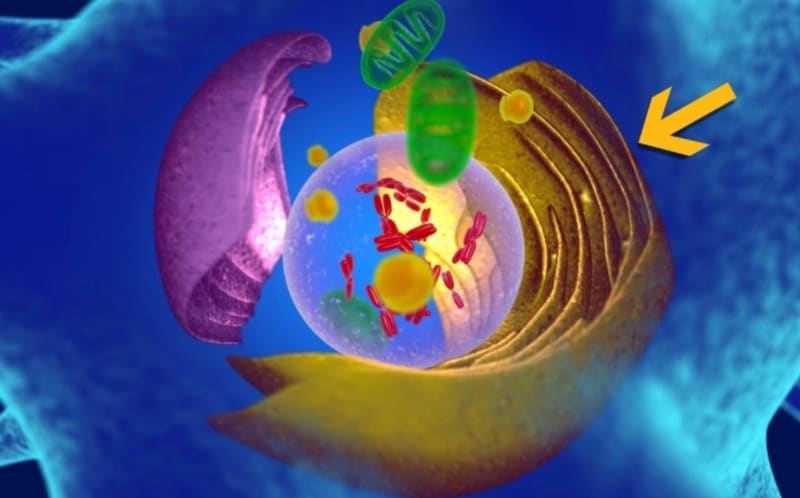
The research team discovered that as animals grow older, their cells actively remodel a massive internal structure called the endoplasmic reticulum, or ER for short. This finding marks the first time scientists have observed this protective adaptation in action.
Think of the ER as a factory floor inside every cell. It folds proteins, produces fats, and organizes other cellular machinery to keep everything running smoothly. When this factory gets disorganized, production breaks down and health problems can follow.
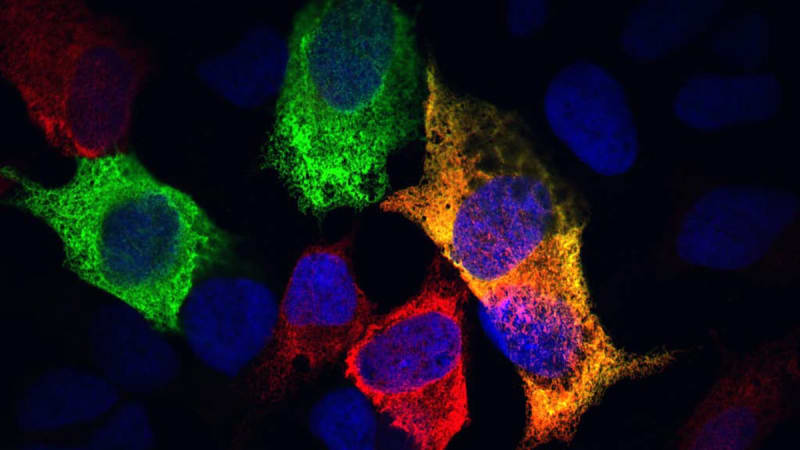
Biologist Kris Burkewitz and his team studied tiny transparent worms called C. elegans, which age quickly and make perfect models for watching cells change in real time. Using advanced microscopy, they tracked what happened to the ER as the worms aged from youth to old age.
The results surprised them. As the worms grew older, the rough ER (which handles proteins) dramatically decreased, while the smooth ER (which manages fats) stayed relatively stable. This wasn't random decay but rather an organized response to aging.
The team calls this ER remodeling a "proactive and protective response." Cells appear to be adapting their internal layout to cope with the challenges of getting older, similar to how a factory might reorganize when space becomes limited or demands change.
Why This Inspires
This discovery offers real hope for the millions of people living longer lives but struggling with frailty and chronic illness. Medical advances have extended human lifespans, with many people now living past 100, but these extra years often come with declining health.
The research suggests that ER changes happen relatively early in the aging process. That timing matters because it means scientists might be able to intervene before dysfunction and disease take hold.
Burkewitz points out that while previous studies documented what changes with age, his team focused on how cells reorganize their internal architecture. Understanding this reorganization could reveal new drug targets for treating age-related diseases.
The findings, published in Nature Cell Biology, represent just the beginning. Follow-up research will dive deeper into exactly how and why these changes occur, and more importantly, how medical science might use this knowledge to help people stay healthier longer.
The breakthrough transforms our understanding of aging from passive decline to active cellular adaptation, suggesting our bodies have built-in strategies for handling old age that we're only beginning to understand.
More Images

Based on reporting by Google News - Technology
This story was written by BrightWire based on verified news reports.
Spread the positivity!
Share this good news with someone who needs it