Scientists Find Cells Have Their Own Goals and Agency
Breakthrough research reveals that individual cells and even molecules display their own form of "selfhood" and decision-making. This discovery could revolutionize medicine and help us understand the very origins of life.
Scientists have discovered something remarkable hiding in plain sight: our cells might have minds of their own.
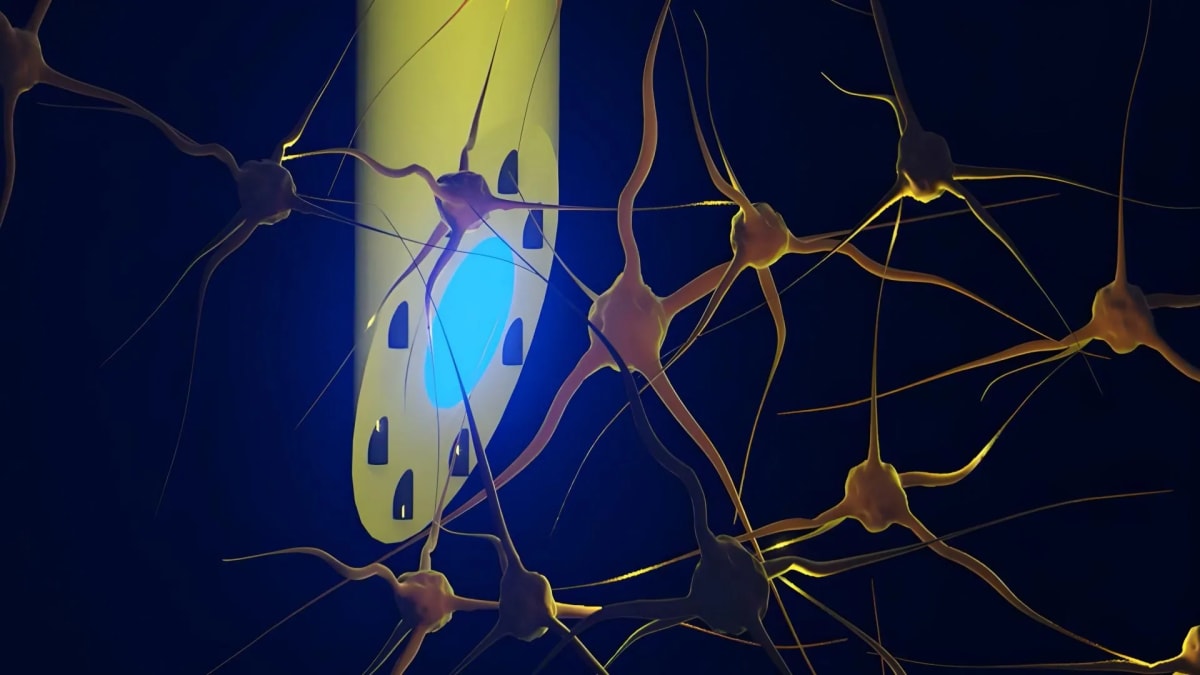
New biological simulations show that individual cells and even simple networks of molecules display agency and pursue their own goals. Instead of being passive machines blindly following physics, these tiny units of life appear to have a primitive form of selfhood.
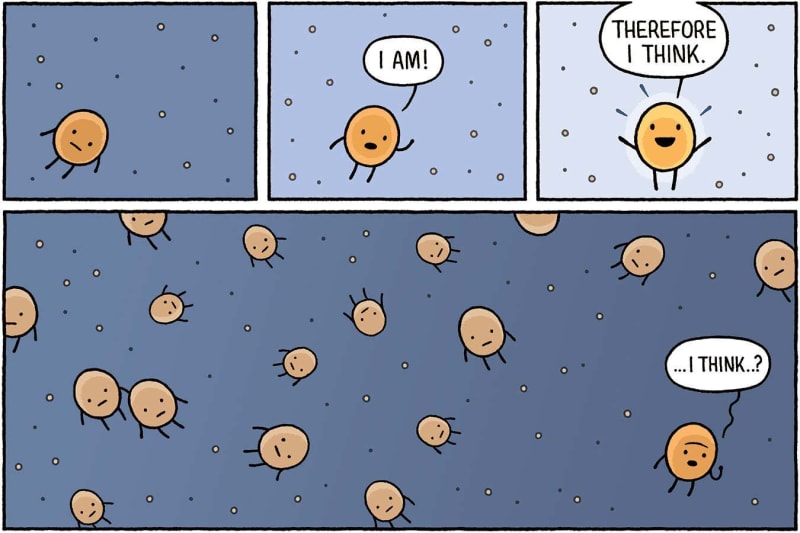
The finding turns our understanding of consciousness upside down. We usually think of "self" as something that emerges only when billions of cells work together in a brain. But researchers now believe selfhood exists at every level, from molecules to cells to the full human experience.
Tom Froese, a cognitive scientist at the Okinawa Institute of Science and Technology in Japan, puts it simply: "The origins of agency coincide with the origins of life."
The discovery started with a simple question about self-control. When you reach for another piece of chocolate despite telling yourself not to, what exactly is this "self" having an internal debate? Scientists realized that gut cells somehow collaborate with brain cells and hand cells to make that reach happen.
But rather than consciousness only appearing when all those cells join forces, researchers found that each cell already displays its own basic form of decision-making and goal-seeking behavior.
Why This Inspires
This breakthrough could transform how we treat disease. If cells have their own goals and agency, doctors might work with those natural tendencies instead of against them. The result could be treatments with far fewer side effects because they align with what cells are already trying to do.
The research also tackles one of science's biggest questions: what makes life special? If even simple molecules display agency and selfhood, it suggests these qualities are fundamental to life itself, not late additions that only appeared with complex brains.
Understanding selfhood at the cellular level means understanding life from the ground up. Every cell in your body isn't just following orders. Each one is, in its own small way, making choices and pursuing goals that ultimately combine to create you.
This shift in perspective celebrates the incredible complexity hiding in the smallest building blocks of life.
More Images

Based on reporting by New Scientist
This story was written by BrightWire based on verified news reports.
Spread the positivity!
Share this good news with someone who needs it