Scientists Find 'Fingerprints' in Star Rings to Weigh Planets
Astronomers discovered how to measure invisible exoplanets by reading the dusty rings they create around young stars. The breakthrough could reveal how our own solar system formed 4.6 billion years ago.
Scientists just figured out how to weigh planets they can't even see, and the secret was hiding in plain sight all along.
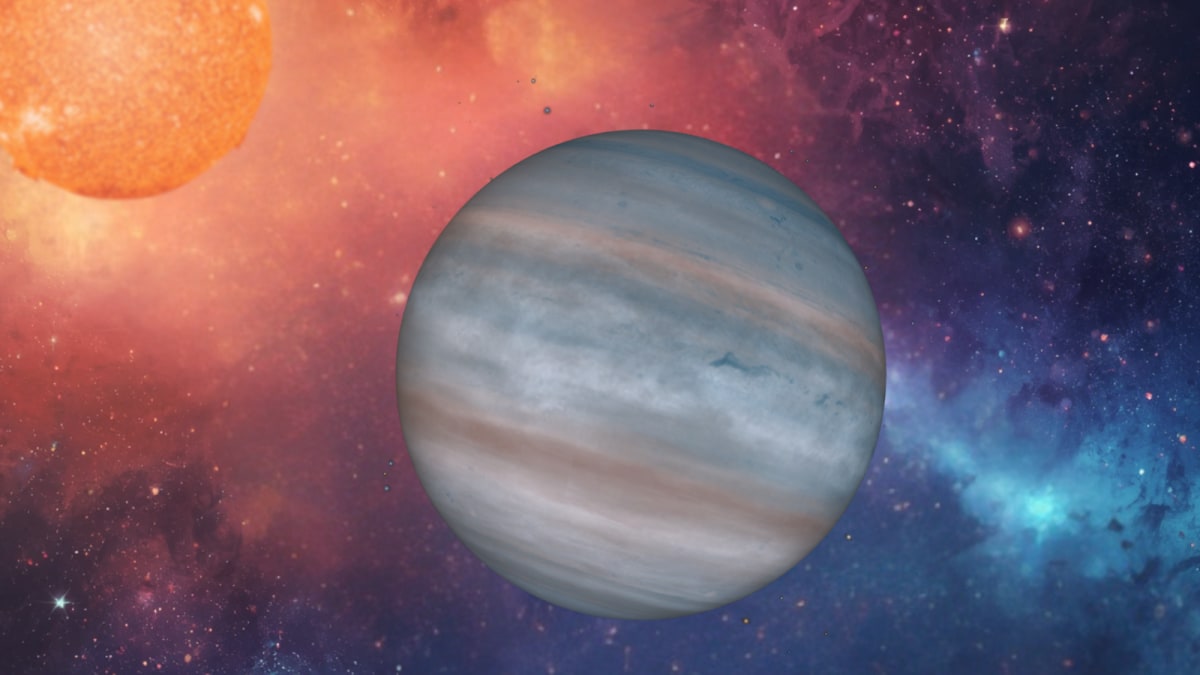
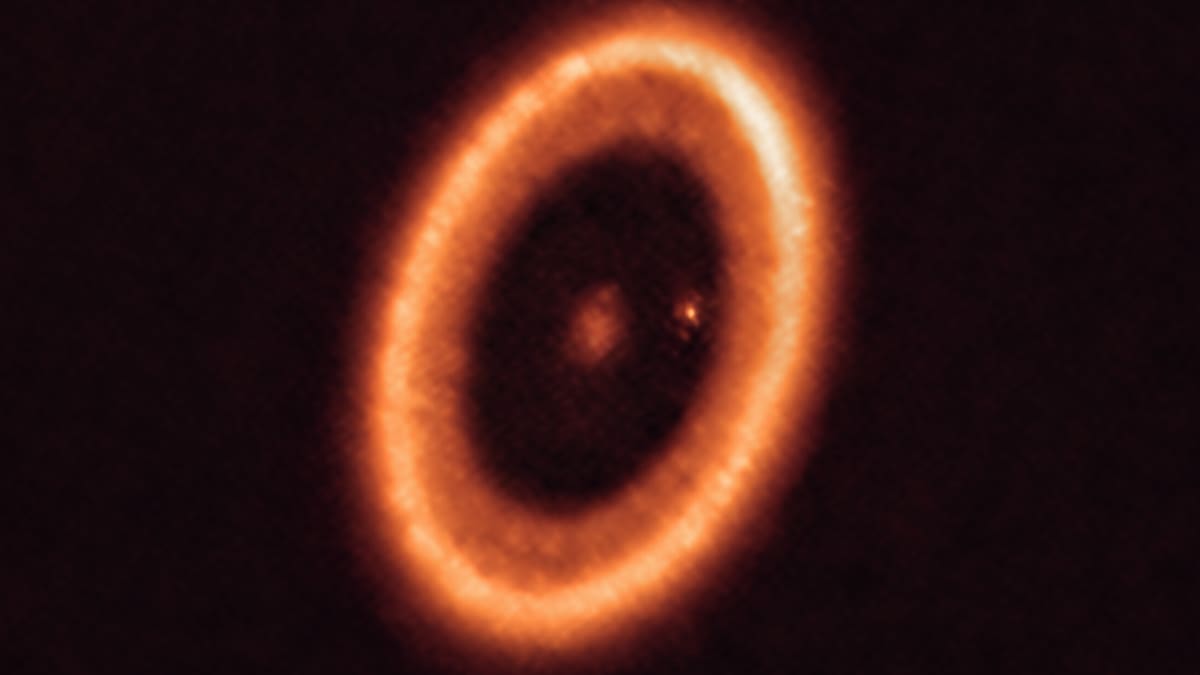
Astronomers at the University of Warwick developed a technique to measure invisible exoplanets by studying the bright rings they carve in the dust around young stars. These rings act like planetary fingerprints, revealing the mass and characteristics of worlds too faint or too embedded to observe directly.
When planets form, they plow through disks of gas and dust surrounding newborn stars, creating distinct grooves and bright spots. The research team used computer simulations to discover that the width of these dust rings and the location of their brightest points directly correspond to a planet's mass.
The best part? The measurements work regardless of what type of light astronomers use or the size of dust grains in the system. That means scientists don't need to know exact conditions around a star to assess its planets.
The team tested their method on PDS 70, a star system 370 light-years away with at least two known planets. Their technique accurately estimated PDS 70 c at about 7.5 times Jupiter's mass, matching current observations and proving the approach works on real systems.
The simulations also revealed something surprising. More massive forming planets can trap up to 20 times Earth's mass in dust within these rings. This concentration might be thick enough to kickstart the formation of additional planets, opening new questions about how planetary systems develop.
Why This Inspires
This discovery arrives at a perfect moment. Advanced telescopes like ALMA in Chile are capturing increasingly detailed images of distant star systems, and even more powerful observatories are coming soon.
The technique gives astronomers a new window into worlds being born right now across the galaxy. By studying these infant planetary systems, scientists can piece together how our own solar system looked billions of years ago when Earth and its neighbors were just forming.
Jessica Speedie from MIT emphasized the breakthrough's practical value: "We've been able to take these simulation results and apply them directly to real observed systems." The method is ready to use immediately, not stuck in theoretical research for years.
The research transforms beautiful cosmic structures into readable data, turning art into science. Those glowing rings around distant stars aren't just pretty pictures anymore—they're telling us stories about worlds we might never see but can finally begin to understand.
More Images

Based on reporting by Space.com
This story was written by BrightWire based on verified news reports.
Spread the positivity!
Share this good news with someone who needs it