Scientists Find Huge Freshwater Reserve Under Atlantic
An international research team just confirmed one of Earth's largest hidden aquifers stretching beneath the Atlantic Ocean from New Jersey to Maine. This underground freshwater reserve could supply New York City for centuries and hints at a potential solution for our planet's growing water crisis.
Imagine finding enough drinking water to supply New York City for hundreds of years in the last place you'd think to look: deep beneath the salty Atlantic Ocean.
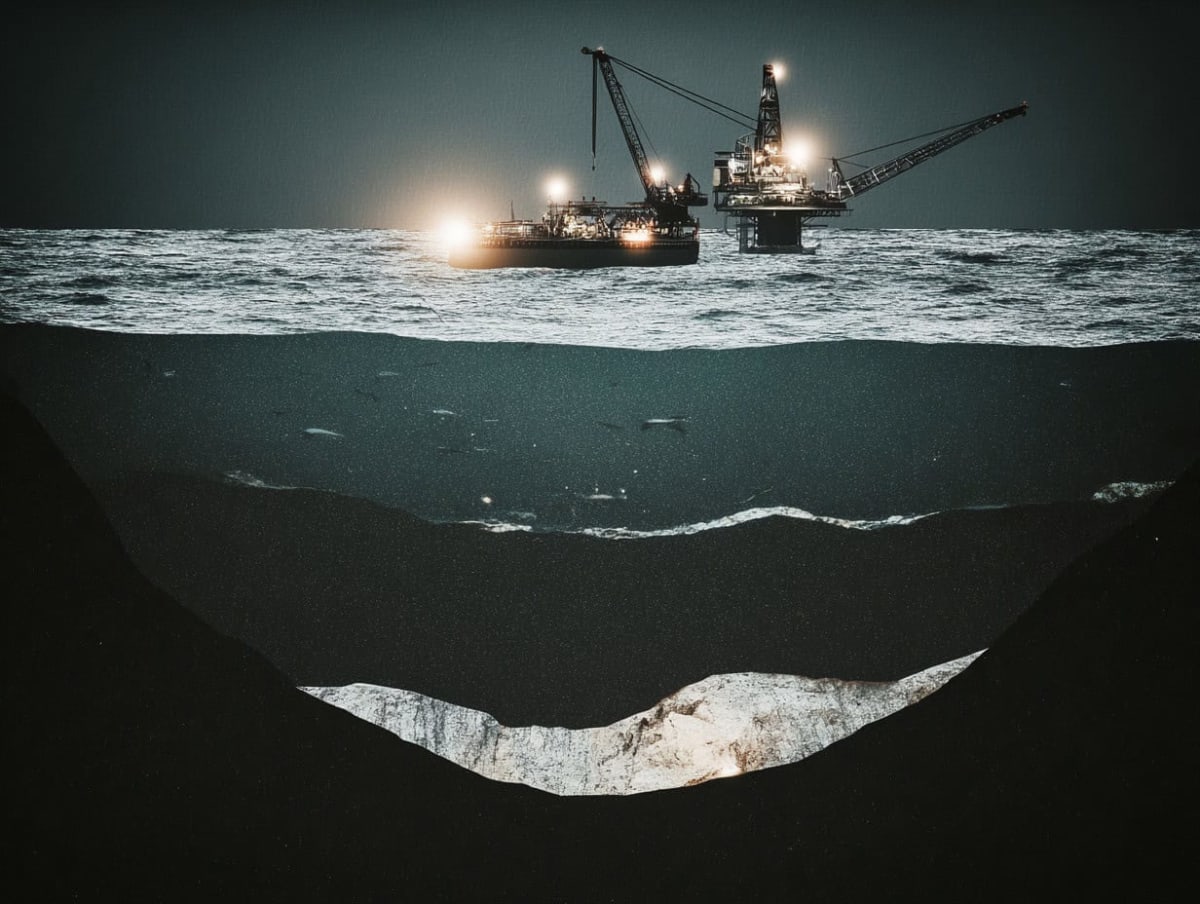
That's exactly what scientists accomplished this summer when they pulled thousands of liters of fresh water from nearly 400 meters below the seafloor off Cape Cod. The discovery confirms what researchers have suspected since 1976, when oil drillers first found fresh water trickling from their cores off the U.S. East Coast.
"It's one of the last places you would probably look for fresh water on Earth," said Brandon Dugan, a geophysicist at the Colorado School of Mines. His team aboard the drilling ship spent May through July boring into sediments off Massachusetts, testing water samples at every depth.
When they found water with salinity levels as low as 1 part per thousand, the same as many land aquifers, they knew they'd struck something remarkable. The aquifer appears to stretch along the entire New England coast, possibly holding one of the largest freshwater reserves on the planet.
The timing couldn't be better. The United Nations warns that by 2030, global water demand will exceed supply by 40 percent. Cities from Cape Town to Jakarta have already faced the nightmare of taps running dry, and rising seas are poisoning coastal aquifers with salt.
Scientists believe these offshore aquifers may exist off Africa and Asia too. The water likely comes from glacial melt or ancient rainwater that seeped into buried sediments when sea levels were lower, possibly as far back as 450,000 years ago.
The Bright Side
Before anyone starts piping this ancient water to shore, researchers need to answer crucial questions. If the water is young and still recharging, it could become a renewable resource. If it's ancient, the supply is finite.
Geochemists are now splitting samples and sending them to labs worldwide to determine the water's age and safety. Similar natural filtration processes give us the clean aquifers we drink from on land, so there's good reason for optimism.
The discovery opens a new frontier in how we think about water security. While offshore drilling costs money and raises environmental questions, knowing these reserves exist gives communities a potential lifeline as climate change reshapes our coastlines.
Woods Hole researcher Rob Evans cautions that extracting water could have unforeseen consequences for ocean ecosystems. But understanding these hidden reserves is the first step toward protecting them and potentially using them wisely when other options run dry.
This accidental discovery from 50 years ago has finally revealed a secret that could help secure fresh water for future generations.
More Images

Based on reporting by Google News - Scientists Discover
This story was written by BrightWire based on verified news reports.
Spread the positivity!
Share this good news with someone who needs it