Scientists Find Humane Fix for Australia's Koala Boom
Researchers have solved a conservation puzzle in South Australia, where koalas are thriving so well they're threatening their own forests. A new fertility control plan could protect both the beloved animals and their habitat without culling or relocation.
Scientists just figured out how to save koalas from their own success story in South Australia.
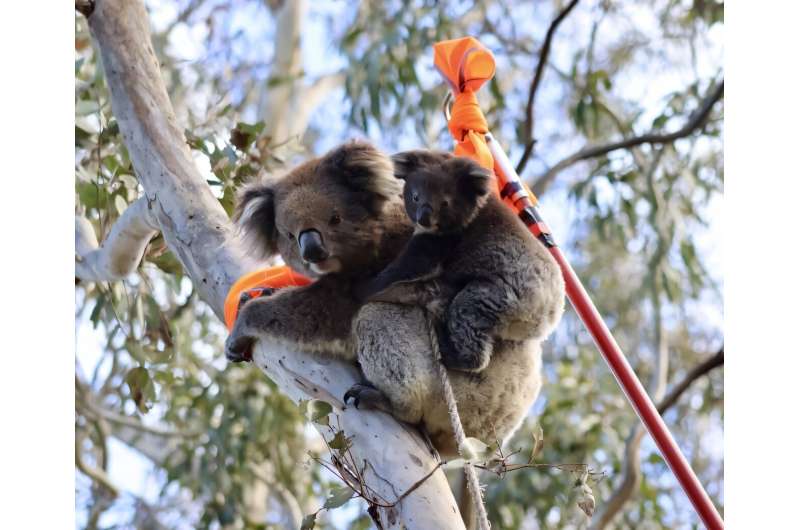
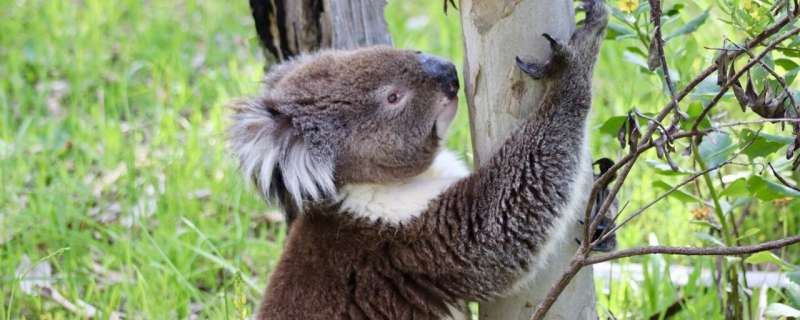
While koalas face decline across eastern Australia, South Australia's Mount Lofty Ranges has the opposite problem. The koala population there now represents 10% of Australia's entire koala population and could grow another 17% to 25% over the next 25 years.
That might sound like great news, but researchers say these booming numbers could lead to mass starvation. Too many koalas in one area means overbrowsing, which damages the eucalyptus forests they depend on for food and shelter.
Dr. Frédérik Saltré from the University of Technology Sydney and the Australian Museum led a team that found a solution. Using computer simulations and thousands of citizen science observations, they mapped out koala densities across the region and tested different management strategies.
The answer? A targeted fertility control program that focuses on high-density hotspots rather than the entire region.
The Bright Side
The research shows that sterilizing about 22% of adult female koalas each year in problem areas would stabilize the population at a cost of $34 million over 25 years. That's far more humane than culling and more practical than trying to relocate thousands of animals.
"We are faced with a difficult conservation dilemma," explained co-author Dr. Katharina Peters from the University of Wollongong. Traditional methods like culling raise serious ethical concerns, especially for such an iconic native animal.
What makes this approach special is its proactive nature. Instead of spending money on conservation plans and hoping they work, the team used computer models to identify the most effective and cost-efficient strategies before implementing them.
The research builds on earlier work at the Australian Museum that sequenced the koala's 20,000 genes. That genetic knowledge opened doors for medical treatments and conservation strategies tailored to the species' unique needs.
As climate change continues reshaping habitats worldwide, this kind of evidence-based planning becomes increasingly important. The team says anticipatory approaches like this will be essential for managing wildlife where public values and ecological needs sometimes clash.
The study, published in Ecology and Evolution, offers a roadmap for other regions facing similar wildlife management challenges.
South Australia's koala success story doesn't have to end in tragedy after all.
More Images

Based on reporting by Phys.org
This story was written by BrightWire based on verified news reports.
Spread the positivity!
Share this good news with someone who needs it