Scientists Find Key Clue to Life's Origins in Shark Bay
Researchers discovered ancient microbes working together in Australia's Shark Bay, revealing how the first complex life may have formed on Earth billions of years ago. The team honored Indigenous Malgana language by naming the microbe after their word for "ancient home."
A pile of rocks and slime in Western Australia just helped scientists solve one of evolution's biggest mysteries.
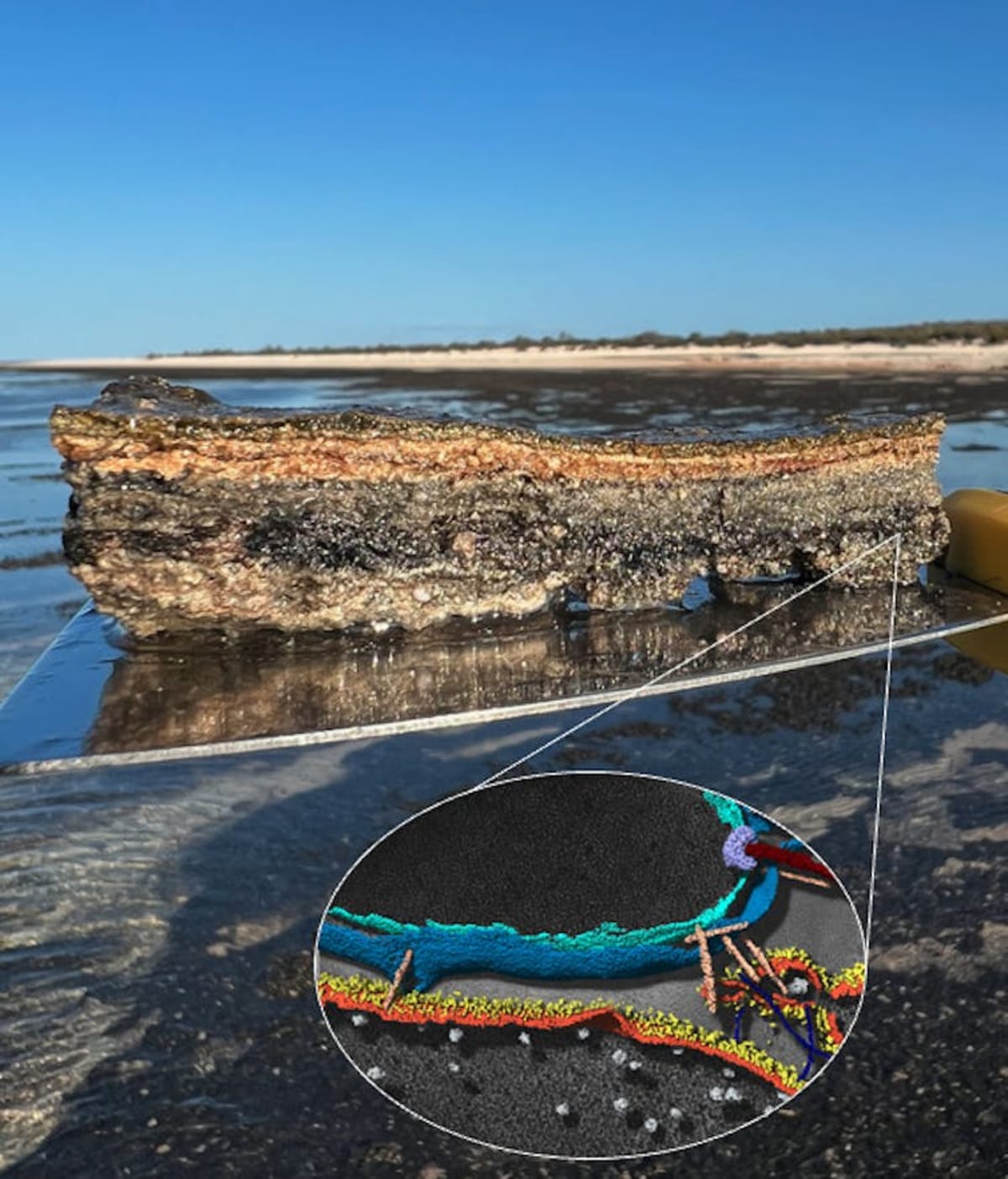
In Shark Bay's ancient stromatolites, researchers discovered two microbes cooperating in a way that mirrors how complex life first began on Earth. The finding offers the clearest picture yet of how simple organisms evolved into the complex cells that eventually became plants, animals, and us.
The star of this discovery is an Asgard archaeon, a rare microbe that scientists believe is our closest ancient relative. Only four research teams worldwide have successfully grown these microbes in labs, and this Australian team spent years nurturing them like precious offspring.
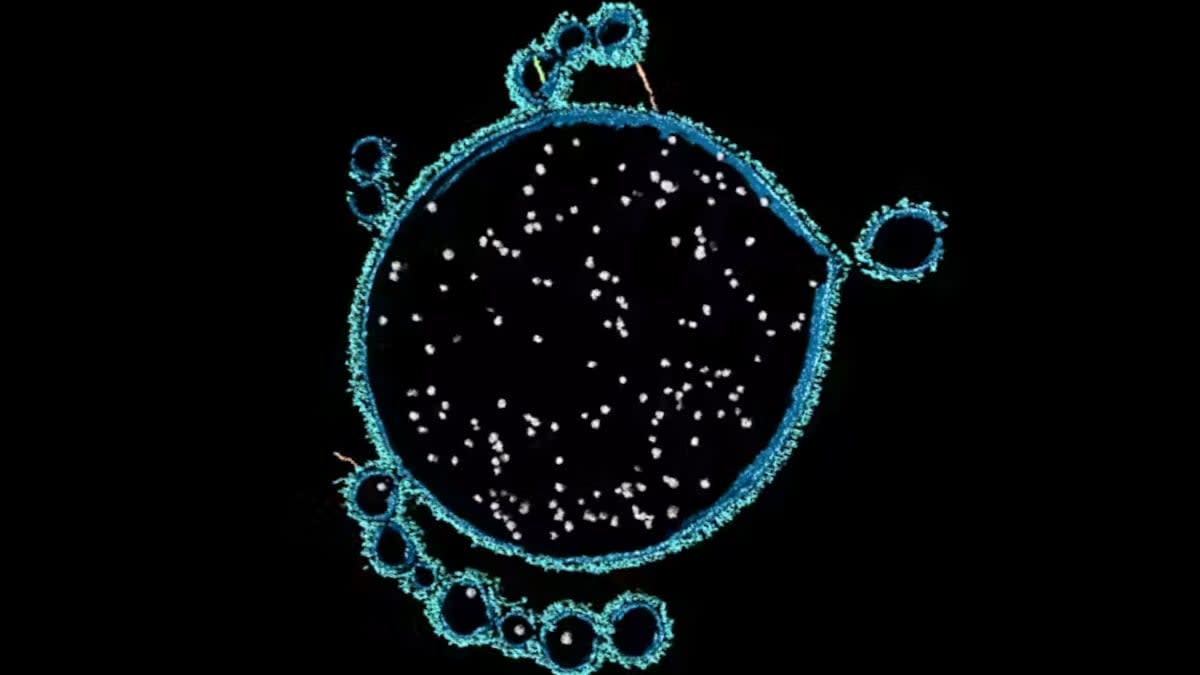
What makes this discovery groundbreaking is what the researchers saw when they zoomed in. Using advanced imaging technology, they observed tiny nanotubes connecting the Asgard archaeon to a sulfate-loving bacterium, showing the two organisms sharing nutrients and working together.
This partnership might be a living model of what happened billions of years ago when an ancient Asgard archaeon and a bacterium joined forces to create the first complex cells. Like families breaking tradition to unite, these distant microbial groups decided to cooperate, ultimately leading to all complex life on Earth.
The Shark Bay stromatolites themselves are living time capsules. These structures produced the first oxygen bubbles that filled Earth's early atmosphere, making the planet habitable for life as we know it.
Why This Inspires
The research team took an inspiring extra step by weaving Indigenous knowledge into their scientific discovery. Working with Kymberley Oakley, a Malgana language expert, and Aboriginal elders, they named the new microbe Nerearchaeum marumarumayae, which means "ancient home" in the Malgana language.
This collaboration honors the Malgana people who have lived in the area for over 30,000 years. It represents a meaningful bridge between Western science and Indigenous Knowledge, celebrating both the ancient microbe and the ancient culture that calls Shark Bay home.
The discovery also highlights why protecting places like Shark Bay matters. The area faces threats from climate change, heat waves, and human activity, putting both its Aboriginal heritage and its evolutionary treasures at risk.
By studying microbes in mud and rocks, scientists just found evidence of our deepest family roots, showing that cooperation has been key to life's success from the very beginning.
More Images


Based on reporting by Google News - Science
This story was written by BrightWire based on verified news reports.
Spread the positivity!
Share this good news with someone who needs it