Scientists Find Key to Protecting Insulin-Making Cells
Researchers discovered how to prevent the protein misfolding that damages insulin-producing cells in diabetes, opening the door to treatments that address the disease's root cause instead of just managing symptoms.
Scientists just found a way to protect the cells that keep our blood sugar in check, and it could change how we fight diabetes at its source.
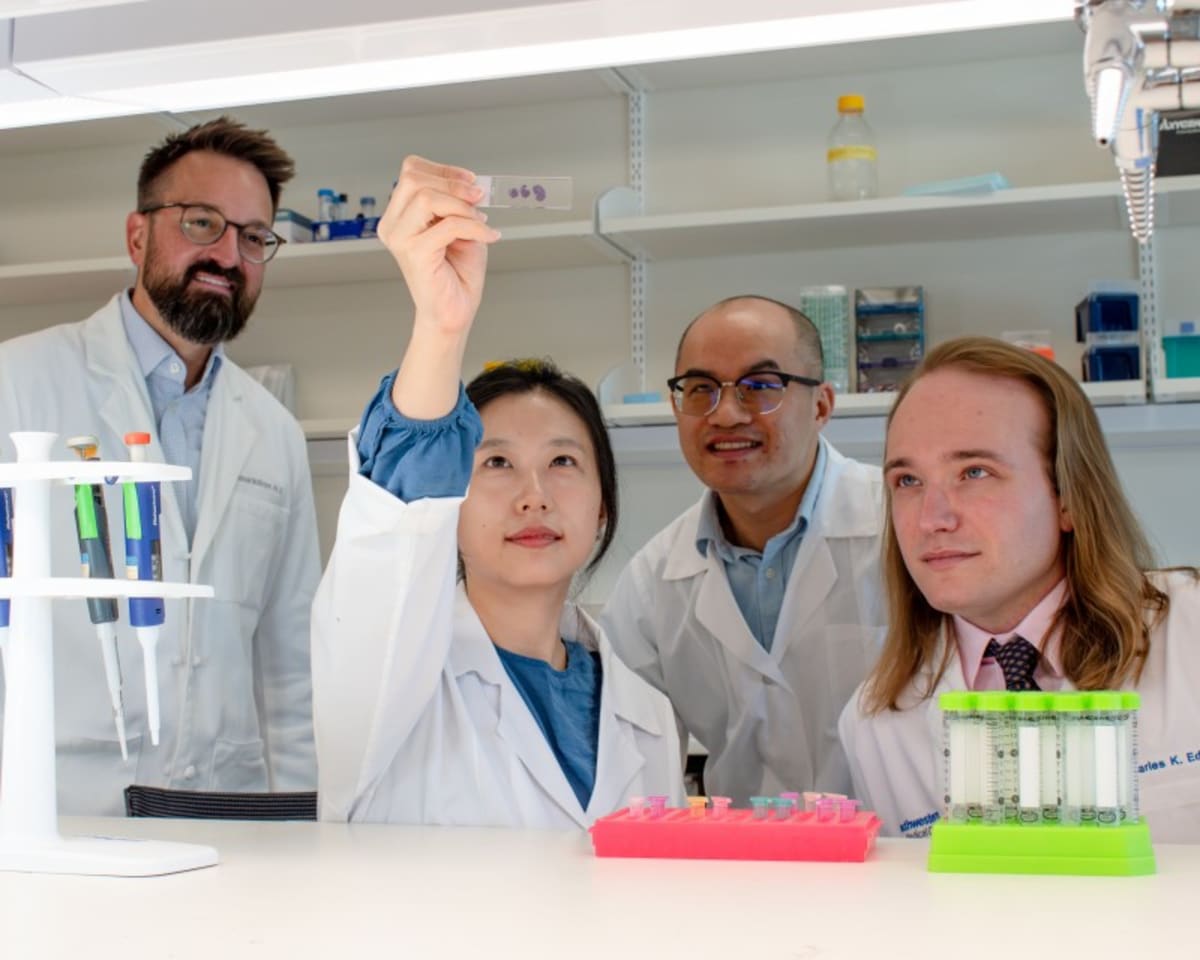
Researchers at Sanford Burnham Prebys and the University of Michigan uncovered how insulin-producing cells manage a delicate protein-folding process. When this system breaks down, it triggers the progression from prediabetes to full diabetes.
The discovery centers on a protein called BiP and its partner, p58IPK. Think of them as a skilled doubles team. BiP acts like the lead player, while p58IPK serves as the essential partner that helps fold proinsulin (the precursor to insulin) into its proper shape.
When the team works well, beta cells in the pancreas produce insulin smoothly. When the partnership fails, proinsulin misfolds like crumpled paper, piling up inside cells and eventually damaging them beyond repair.
The research team tested what happens when p58IPK goes missing. Beta cells produced less insulin and accumulated more misfolded proteins, exactly what happens as diabetes develops.
They also tried letting BiP work alone by overexpressing it without its partner. The results were modest at best, proving that both proteins need each other to keep the system running.
"Like a single tennis player trying to play a doubles match, we found that BiP cannot just go it alone in maintaining the proper folding of proinsulin," said lead author Dr. Insook Jang.
The Bright Side
Most diabetes treatments today manage symptoms by helping tissues absorb more sugar or squeezing out more insulin from struggling cells. This research points toward something different: protecting the cells themselves before damage occurs.
No current therapies promote proper proinsulin folding to maintain beta cell health. That gap represents an opportunity to intervene early, potentially preventing or reducing damage to insulin-producing cells.
The findings, published in the Proceedings of the National Academy of Sciences, reveal several other partner proteins involved in quality control. More research will clarify their roles, but each discovery brings scientists closer to understanding how to boost the system.
Dr. Randal Kaufman, the study's senior author, sees real promise ahead. "If we can learn how to influence the coordinated activity of BiP as a key regulator of proinsulin folding, we may find a promising treatment strategy for intervening early."
For millions living with prediabetes or watching their blood sugar creep upward, this research offers hope that future treatments might stop the disease before it starts.
More Images


Based on reporting by Google News - Scientists Discover
This story was written by BrightWire based on verified news reports.
Spread the positivity!
Share this good news with someone who needs it