Scientists Find Key Trigger Behind Crohn's Disease Scarring
Researchers have discovered what causes devastating scar tissue in Crohn's disease patients, opening the door to treatments that could prevent scarring rather than just treating inflammation. For the first time, scientists can target the root cause of fibrosis that sends thousands to surgery each year.
Scientists at the University of Edinburgh just cracked a puzzle that's plagued Crohn's disease patients for decades: what triggers the dangerous scarring that often requires surgery.
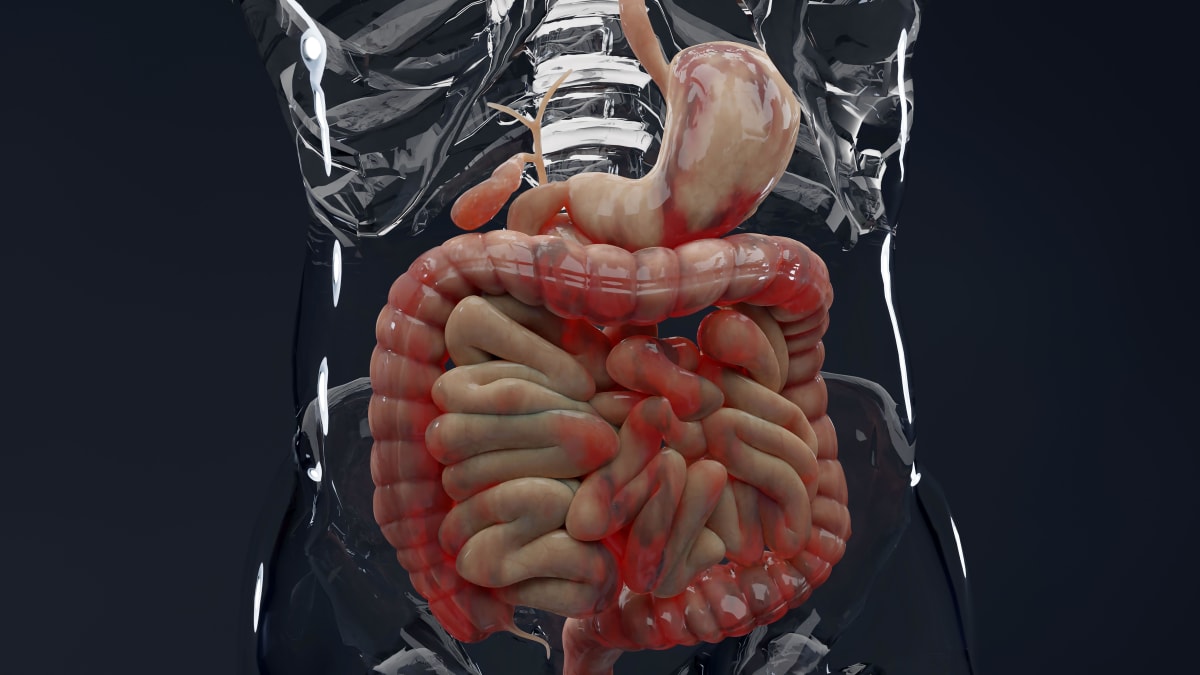
The research team identified clusters of immune cells in the gut that essentially tell surrounding cells to produce excessive scar tissue, called fibrosis. This scarring builds up in the bowel wall, eventually narrowing and blocking the intestine.
Current treatments for Crohn's disease only target inflammation. They can't stop the scarring process itself, leaving many patients facing multiple surgeries throughout their lives.
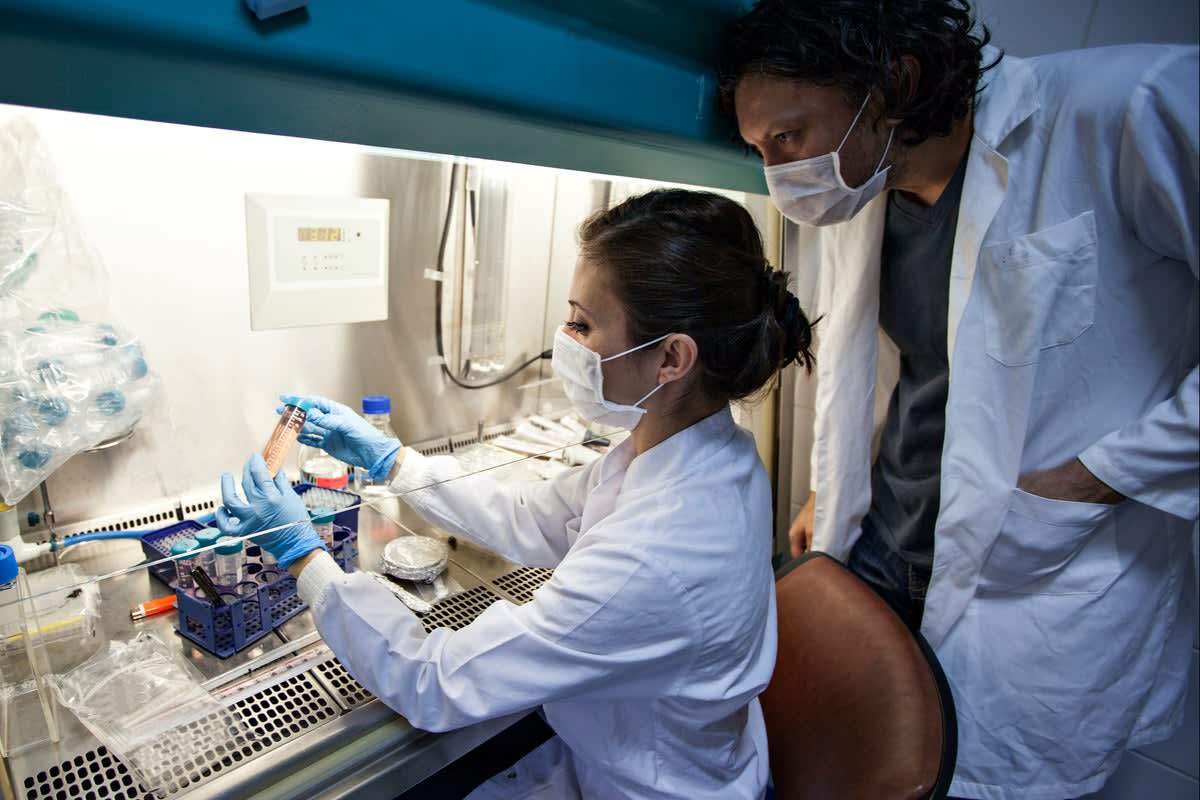
The Edinburgh team analyzed intestinal tissue samples from Crohn's patients, focusing on the ileum where the disease most commonly develops. Using cutting-edge single-cell RNA sequencing technology, they spotted something remarkable: immune cell clusters were actively communicating with collagen-producing cells, essentially instructing them to create scar tissue.
They found the submucosa, a deeper layer of the bowel wall, showed particularly high levels of scarring. This suggests fibrosis may start earlier in disease progression than previously thought.
The Bright Side
This discovery means researchers can now develop medications that interrupt the scarring process itself, not just manage inflammation. Dr. Shahida Din, a consultant gastroenterologist who worked on the study, explained that understanding these cellular signaling pathways could guide development of therapies aimed at preventing or slowing fibrosis.
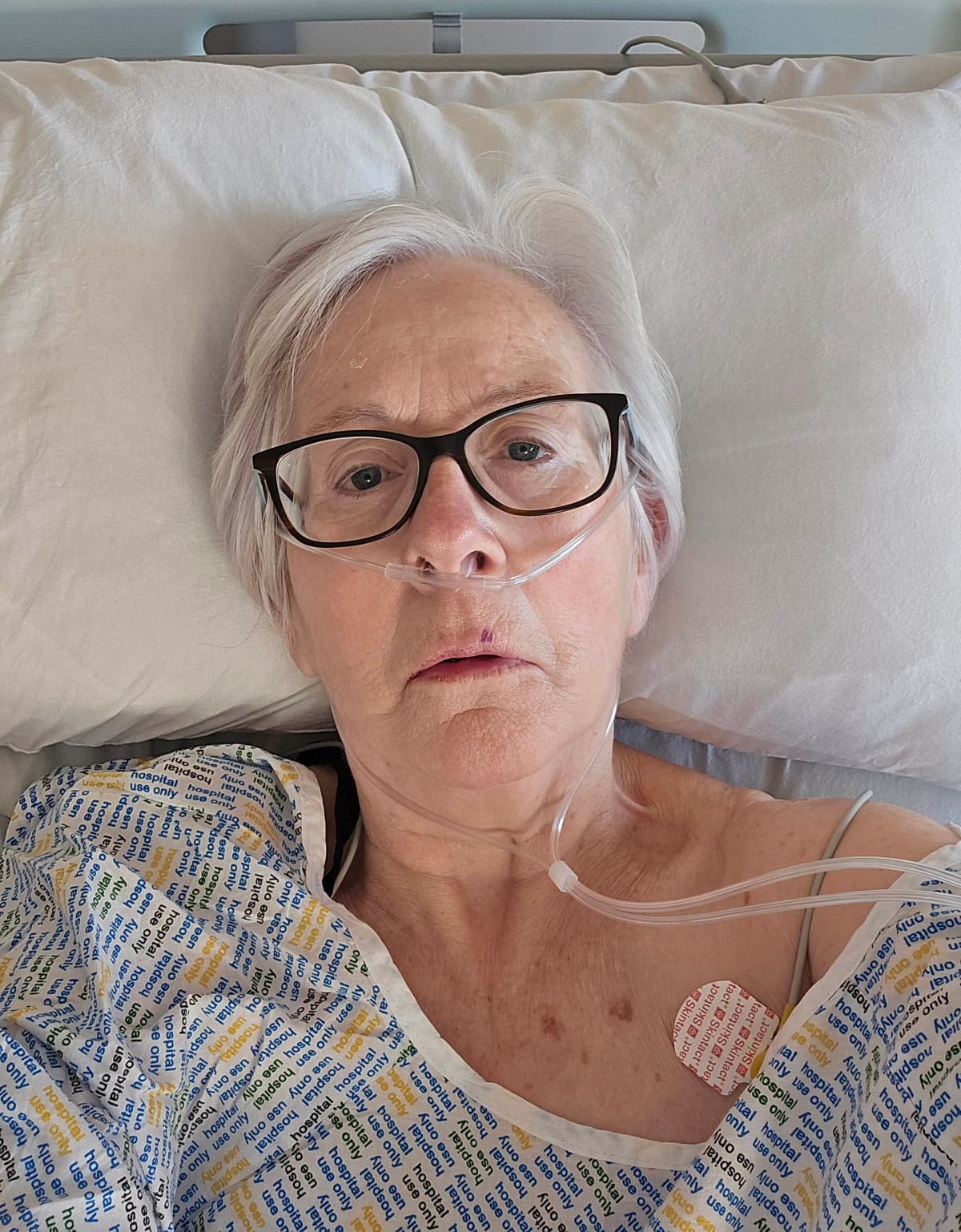
Maureen Dalgleish, a 65-year-old retired teacher, has lived with Crohn's since 1988 and has undergone four surgeries to manage fibrosis. She donated tissue from her most recent surgery to support this research.
"Before my surgery, I was in and out of hospital, and it was incredibly exhausting," Maureen said. "The idea of having medication to control or stop the fibrosis would be amazing."
Catherine Winsor from Crohn's & Colitis UK emphasized how much fibrosis affects patients' lives. "This early research is really exciting because it helps us to understand what drives that scarring and where new treatments could make a difference," she said.
The research brings real hope that future treatments might address not just inflammation, but the lasting damage Crohn's can cause.
More Images
Based on reporting by Google News - Disease Cure
This story was written by BrightWire based on verified news reports.
Spread the positivity!
Share this good news with someone who needs it