Scientists Find Massive Fish Colony Under Antarctic Ice
Beneath 200 meters of Antarctic ice, researchers discovered thousands of fish nests arranged in perfect geometric patterns on the seafloor. The find reveals a thriving ecosystem in one of Earth's harshest places and strengthens calls to protect this hidden world.
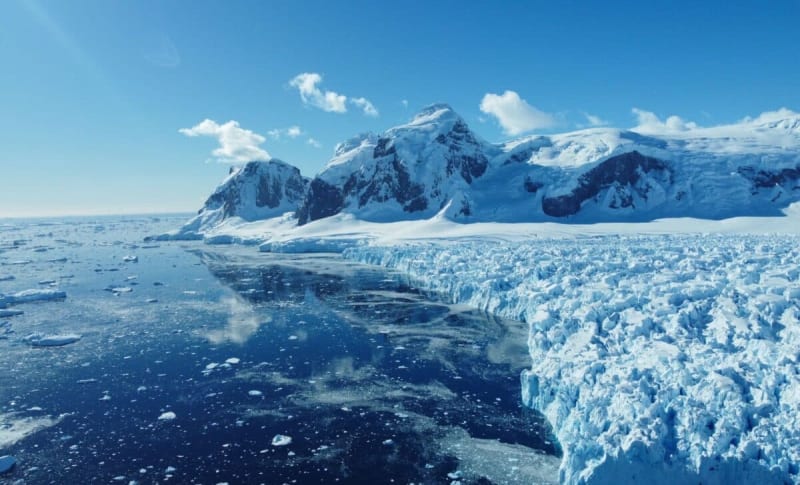
When a massive iceberg broke away from Antarctica in 2017, scientists got their first look at a seafloor that had been sealed under ice for hundreds of years. What they found took their breath away.
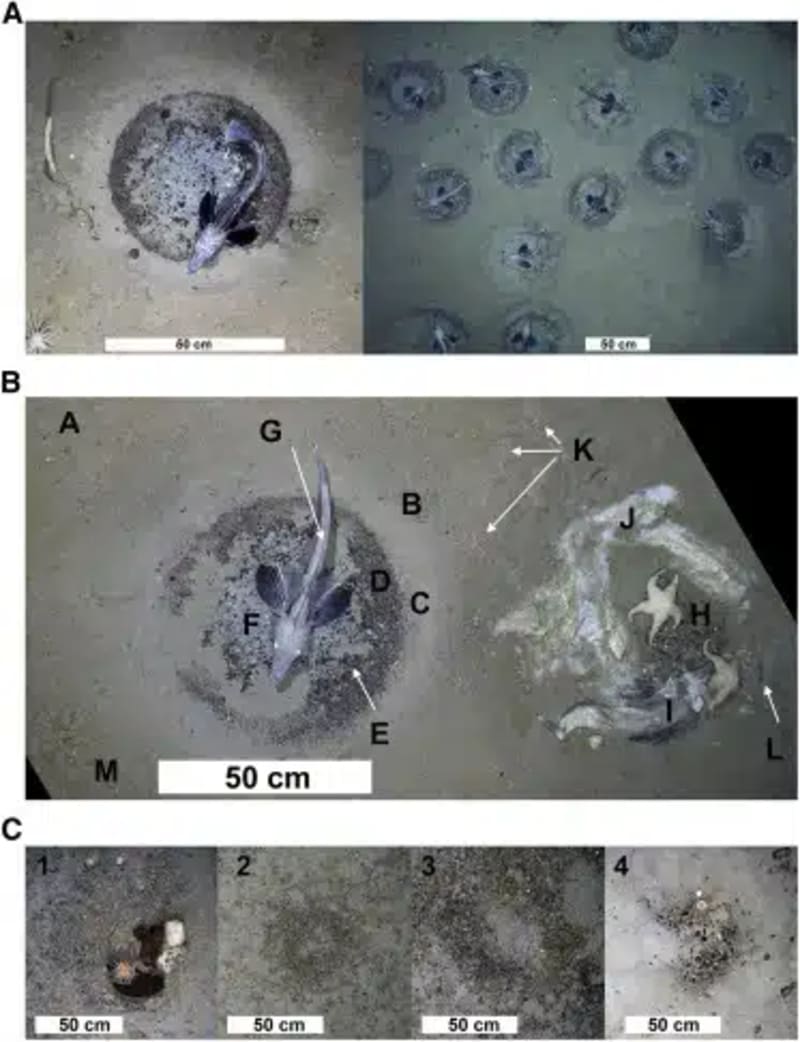
Thousands of circular fish nests, arranged in precise geometric patterns, covered the ocean floor beneath the Weddell Sea. The nests belong to yellowfin notie fish, a species that has quietly been raising families in one of the most extreme environments on Earth.
The discovery happened almost by accident. A research team ventured into the Weddell Sea in 2019 searching for Ernest Shackleton's ship Endurance, which sank in 1915. They never found the wreck, but they stumbled upon something equally remarkable.
Using underwater robots, the team explored areas that had been locked away beneath thick ice for centuries. The A68 iceberg, one of the largest ever recorded, had calved from the Larsen C Ice Shelf and opened a rare window into this hidden world.
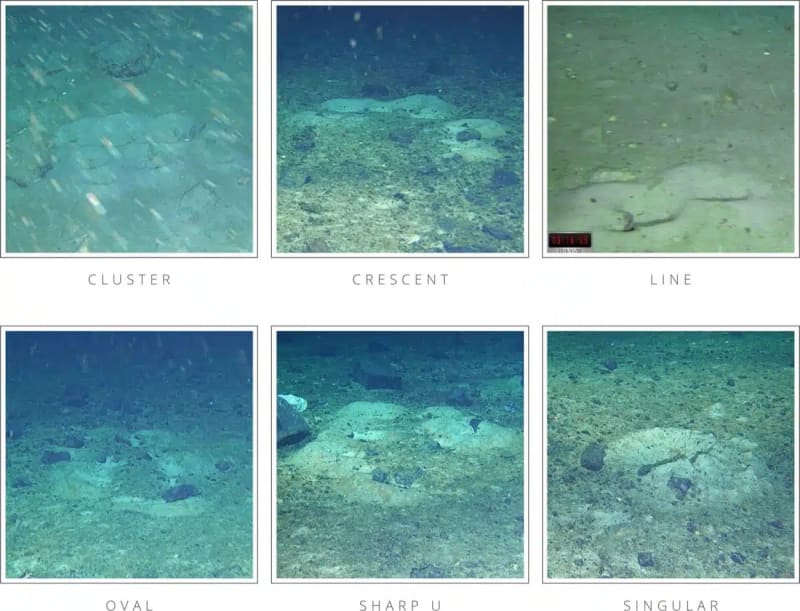
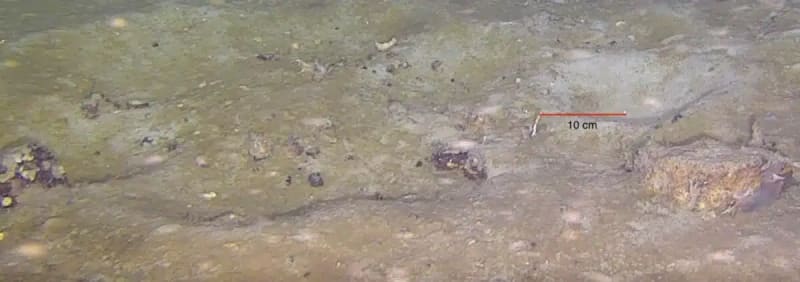
The nests themselves tell a fascinating story of survival. Parent fish create and guard these circular depressions on the seafloor, protecting their eggs from predators in the freezing waters. Some nests cluster together while others form curved lines across the seabed.
Scientists believe the patterns follow what's called the "selfish herd" theory. Fish in the center of clusters get protection from those around the edges, while larger, stronger fish occupy solitary nests on the outskirts where they can defend themselves.
The Ripple Effect
This discovery does more than reveal clever fish behavior. It shows that even in Antarctica's most remote corners, complex ecosystems are thriving in ways we never imagined.
The Weddell Sea supports countless species, from penguins to seals, all depending on the food web that starts with colonies like this one. Researchers say this area hosts some of the world's largest fish breeding grounds, making it critical to Antarctic life.
The finding has energized conservation efforts. Scientists are now pushing harder to designate the Weddell Sea as a Marine Protected Area, which would shield these delicate ecosystems from climate change and human activity.
What makes this especially urgent is timing. As our planet warms and human presence in Antarctica grows, protecting these hidden havens becomes more critical every day. The fish nests prove that life finds extraordinary ways to survive, but that doesn't mean it can weather every threat.
For now, these careful parents continue their ancient work beneath the ice, arranging their nests in patterns that have worked for generations, unaware that the world above has finally noticed their remarkable home.
More Images
Based on reporting by Google News - Scientists Discover
This story was written by BrightWire based on verified news reports.
Spread the positivity!
Share this good news with someone who needs it