Scientists Find 'Mitch' Protein Controls Fat Cell Growth
Israeli researchers discovered that a single protein called MTCH2 (nicknamed "Mitch") acts like a master switch for fat burning and storage in human cells. The breakthrough could lead to future weight management treatments without the muscle and bone loss seen in current medications.
Scientists may have found a natural key to weight management hiding inside our cells all along.
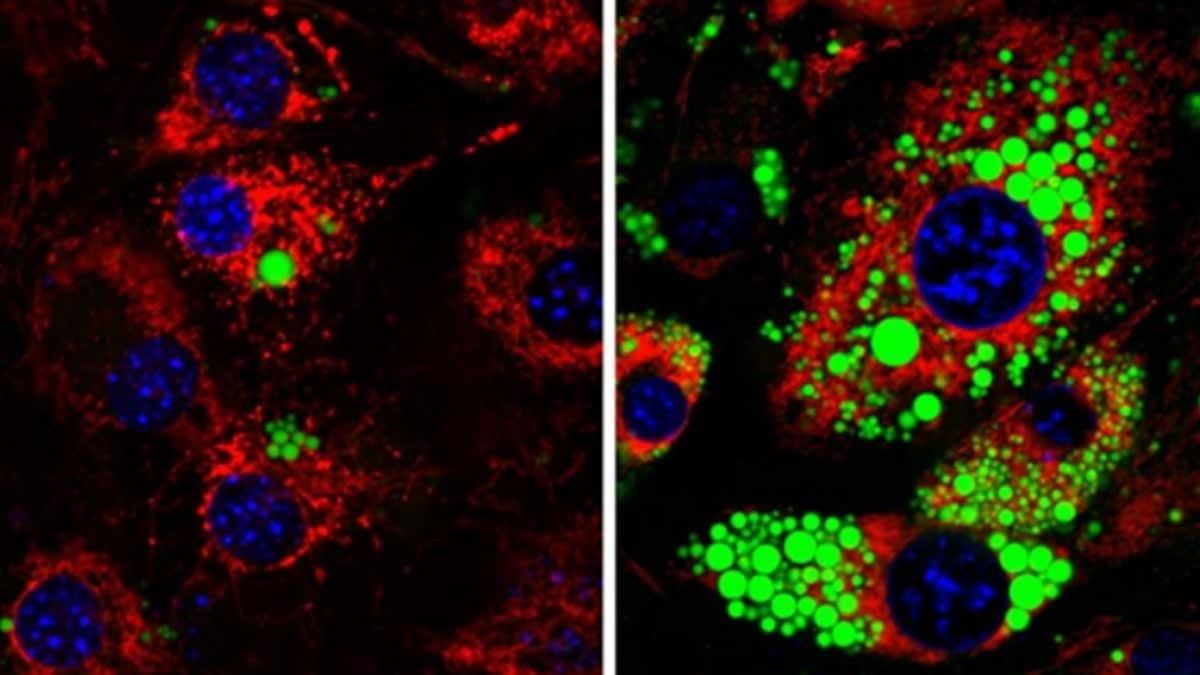
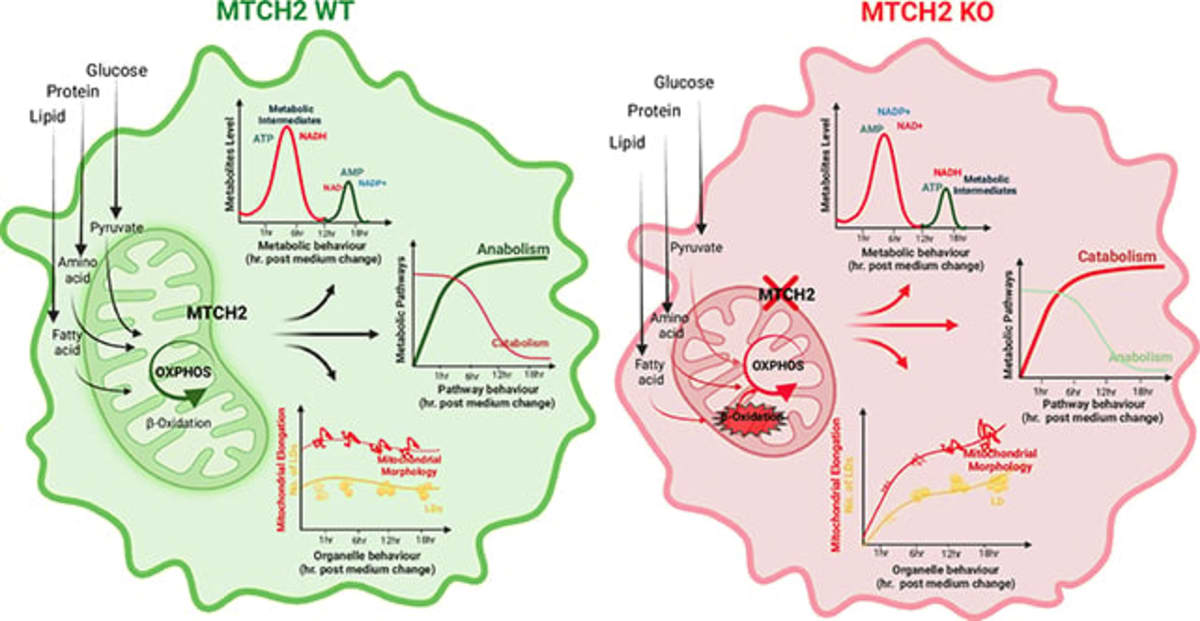
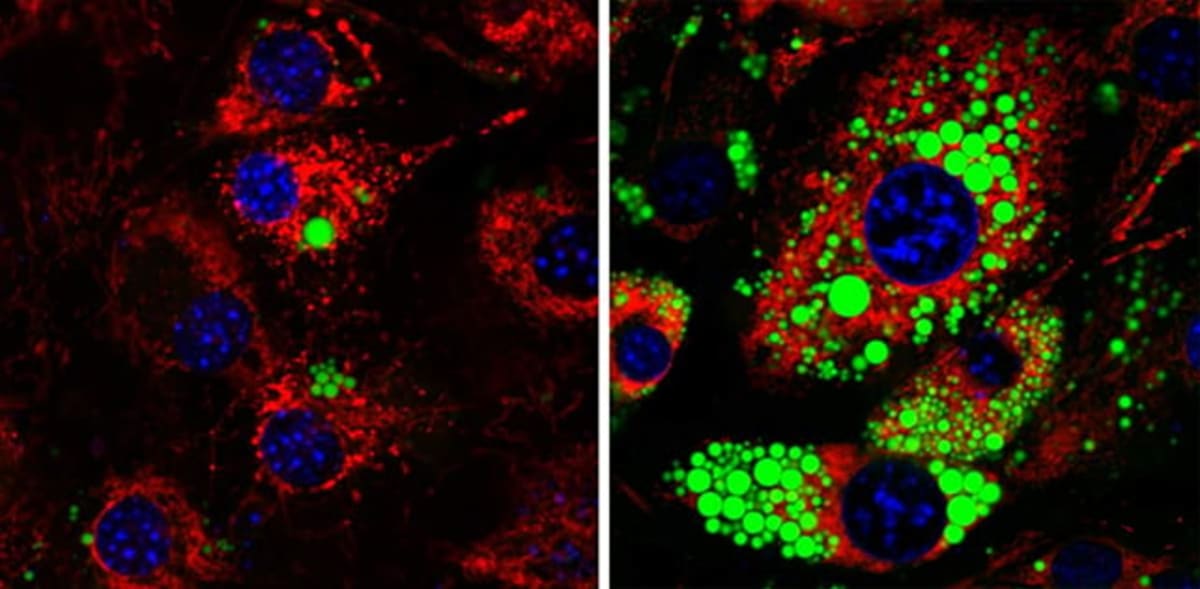
Researchers at the Weizmann Institute of Science in Israel discovered that a protein called MTCH2, nicknamed "Mitch," controls whether fat cells grow or shrink. When they removed Mitch from human cells in a lab, something remarkable happened: the cells started burning fat like crazy.
The team tracked over 100 metabolic substances every few hours after deleting Mitch from cells. They watched cellular respiration increase dramatically as cells began frantically searching for fuel to burn.
"We saw an increase in cellular respiration, the process in which the cell produces energy from nutrients, such as carbohydrates and fats, using oxygen," says biologist Sabita Chourasia, who led the metabolic analysis. This discovery explained why earlier mouse studies showed animals without Mitch stayed lean and showed better stamina.
Here's how Mitch works: it prevents mitochondria (the cell's energy engines) from fusing together efficiently. This makes cells less efficient at processing energy, so they're constantly running on empty and burning through carbohydrates, fats, and amino acids much faster than normal.
The researchers found cells without Mitch specifically targeted fat as fuel. They even started breaking down fatty building blocks from their own cell membranes to keep going.
But the discoveries didn't stop there. The team noticed that removing Mitch also prevented entire cells from turning into fat tissue, a process called fat cell differentiation. Without Mitch, cells don't have enough energy or the right genetic signals to become fat storage units in the first place.
Why This Inspires
This research offers hope for people seeking weight management solutions without harsh side effects. Current GLP-1 drugs like Ozempic work effectively but can cause muscle and bone loss, creating new health concerns while solving others.
The Mitch discovery points toward treatments that work with the body's natural systems rather than against them. Understanding this protein's dual role in both preventing fat storage and increasing fat burning makes it a promising target for future therapies.
Of course, scientists caution that much more work lies ahead. Forcing cells into such an energy-starved state could stress tissues and organs if not carefully managed. Any treatments will need to balance effectiveness with safety.
But for now, researchers have identified a crucial piece of the puzzle in how our bodies decide what to do with fat. That knowledge alone opens doors that didn't exist before.
The team's findings reveal MTCH2 as "a crucial regulator of cellular energy flow," giving scientists a clear target for developing gentler, more natural approaches to weight management in the years ahead.
More Images

Based on reporting by Google News - Science
This story was written by BrightWire based on verified news reports.
Spread the positivity!
Share this good news with someone who needs it