Scientists Find Mystery Creature 9,000 Meters Deep
Marine biologists discovered 108 life forms in the deepest Pacific Ocean trenches, including a creature so unusual that experts worldwide cannot identify which animal group it belongs to. The expedition also captured the deepest fish feeding ever recorded on camera.
Scientists exploring some of Earth's most extreme depths have discovered a creature that has stumped every marine expert who's seen it.
During a two-month expedition in 2022, researchers from the University of Western Australia and Tokyo University of Marine Science and Technology explored three deep ocean trenches near Japan. Using cameras instead of nets, they documented 108 distinct life forms living between 4,534 and 9,775 meters below the surface.
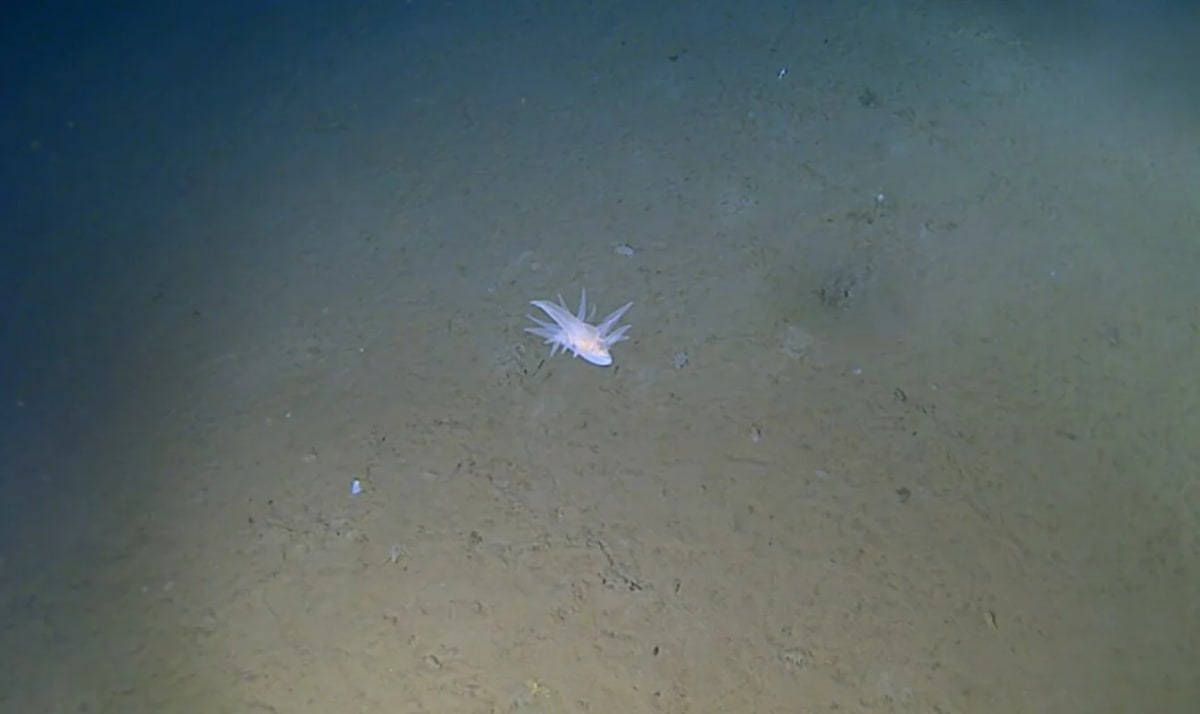
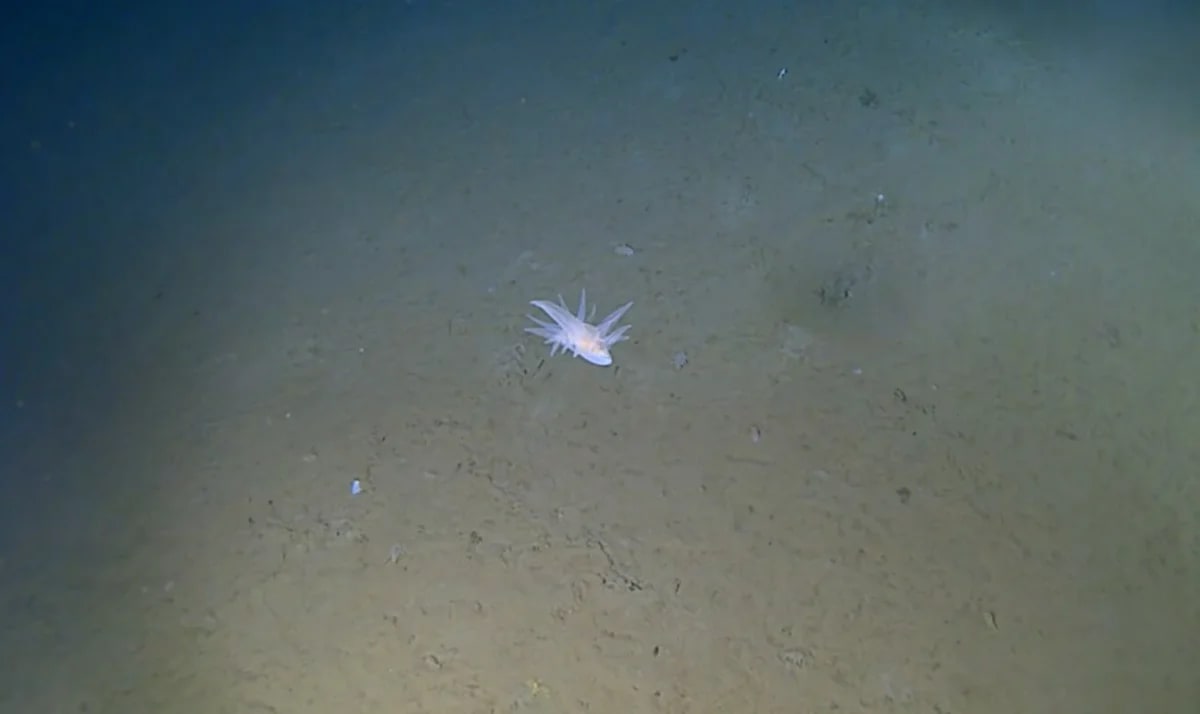
The star of the expedition is a slow-moving, gliding organism filmed at 9,137 meters deep. Scientists have temporarily labeled it "Animalia incerta sedis," which essentially means "animal of uncertain classification." Despite consulting taxonomists around the world, no one can assign this creature to any known animal group.
The team chose a gentler approach to deep-sea research. Instead of using trawl nets that damage fragile creatures, they sent down crewed submarines to observe habitats and used baited cameras to attract scavengers. This method let them see behaviors and ecosystems that traditional sampling destroys.
The Ripple Effect
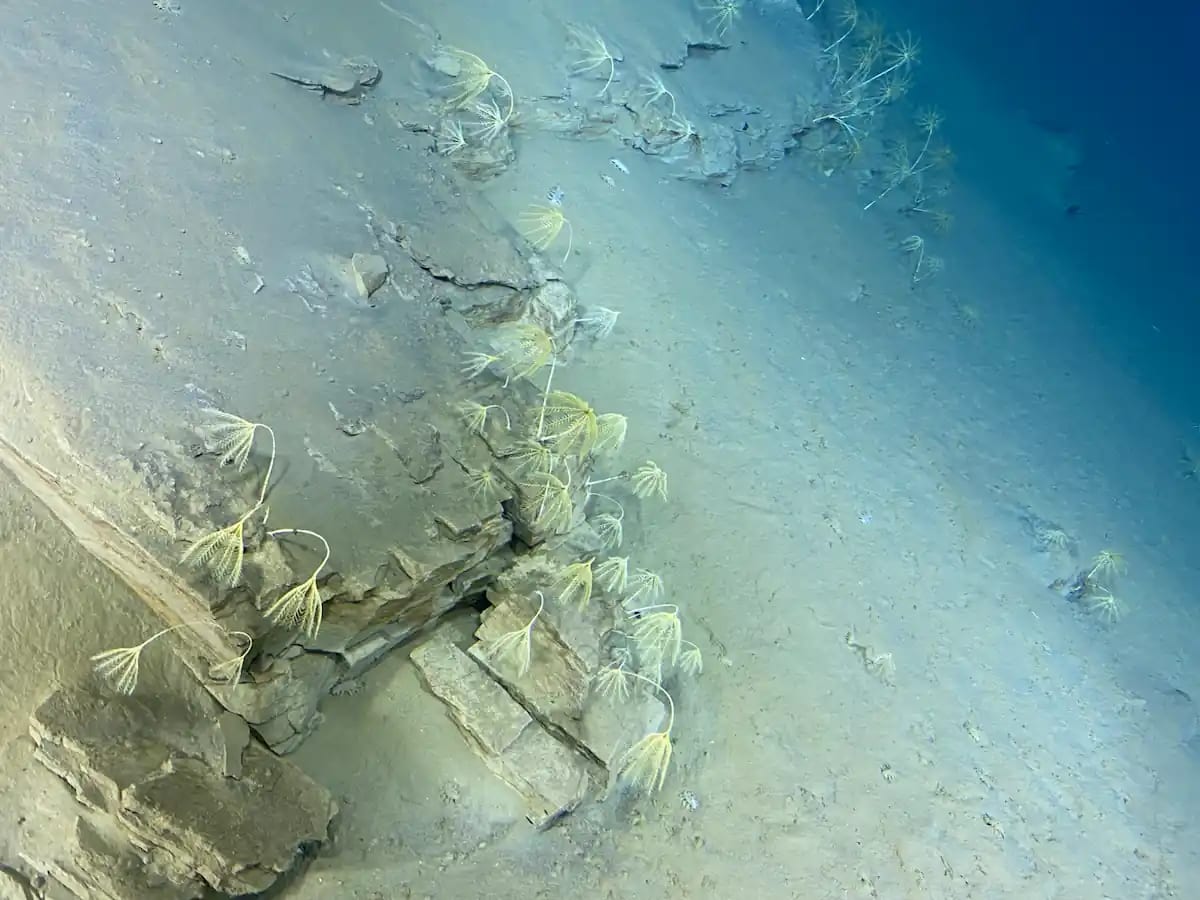
The discoveries kept coming. At 9,137 meters, the submarine crossed what researchers called "crinoid meadows," more than 1,500 sea lilies anchored to rocky terraces. Between 9,568 and 9,744 meters, cameras captured carnivorous sponges, the deepest ever observed in their natural environment.
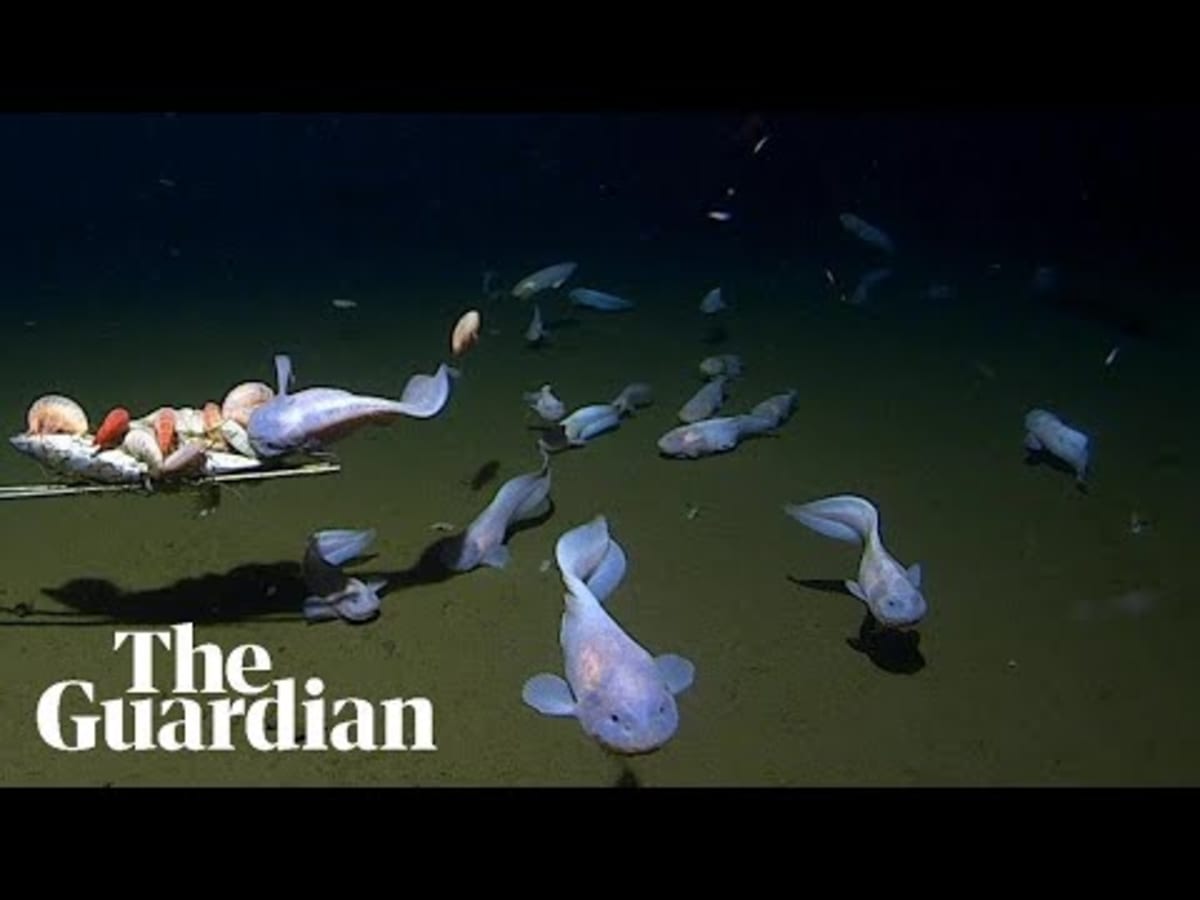
The baited cameras made history too. They recorded a snailfish feeding at 8,336 meters, the deepest verified observation of a fish ever documented. The same systems found giant scavenging amphipods in all three trenches, creatures the size of your hand thriving in crushing pressure.
Each trench revealed different communities. The Japan Trench hosted the most diverse life, likely due to nutrient-rich waters and geological activity. The Ryukyu Trench, despite similar depths, lacked several species found in the other two.
The team created an illustrated guide to these habitats, a resource that barely existed before for such extreme depths. Their visual catalog will help future researchers identify and protect these ecosystems without damaging them.
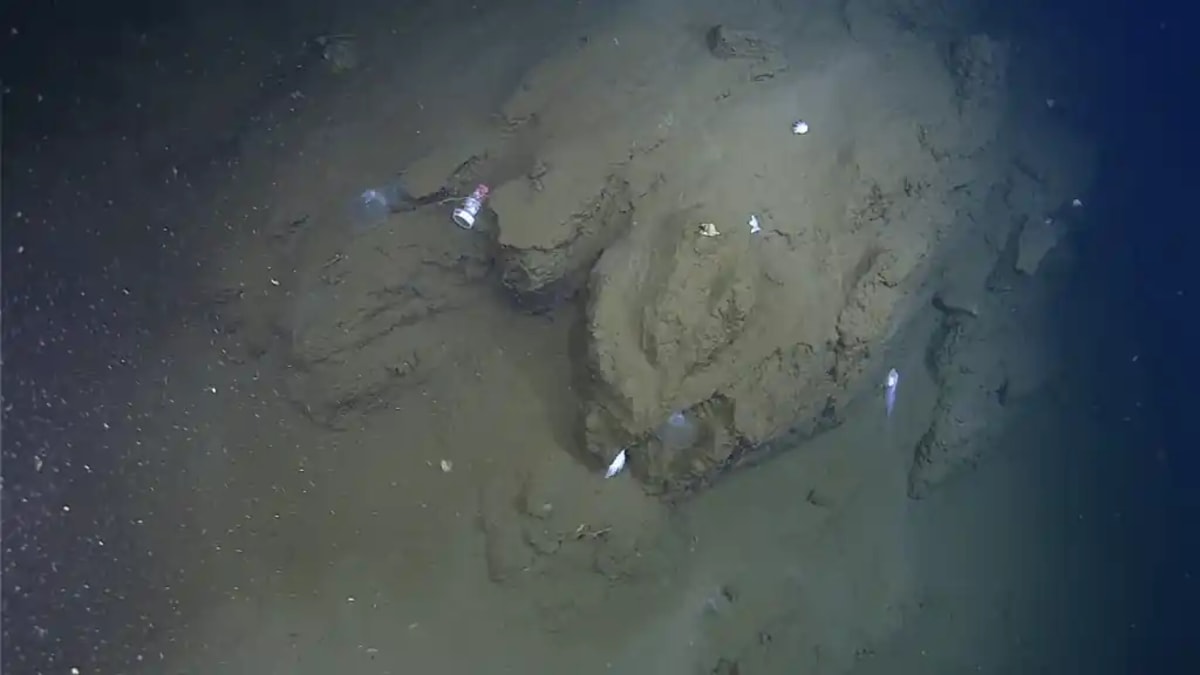
The expedition found evidence of human impact too. Debris appeared in camera footage, proof that even the planet's most remote places aren't beyond our reach. But knowing what lives in these trenches is the first step toward protecting them.
The mystery creature remains unidentified, waiting for science to catch up with discovery.
More Images
Based on reporting by Google News - Scientists Discover
This story was written by BrightWire based on verified news reports.
Spread the positivity!
Share this good news with someone who needs it