Scientists Find New Alzheimer's Target That Shields Brain
Researchers discovered an enzyme called IDOL that, when removed from brain neurons, dramatically reduced Alzheimer's plaques and improved brain resilience. The breakthrough could lead to treatments that not only clear damaging proteins but actually help protect the brain from decline.
Scientists at Indiana University just found a hidden trigger in Alzheimer's disease, and early results suggest blocking it could change how we fight this devastating condition.
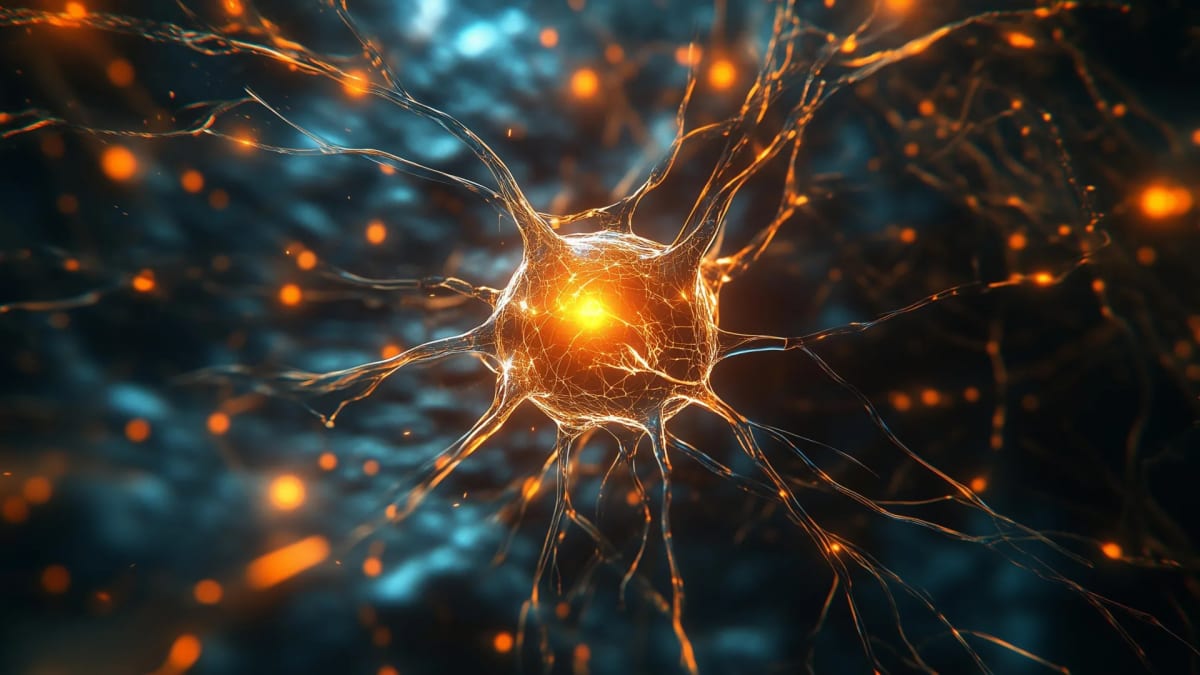
The team identified an enzyme called IDOL that appears to play a major role in brain health. When they removed IDOL from neurons in laboratory studies, something remarkable happened: amyloid plaques dropped significantly, and the brain showed signs of better protecting itself against damage.
This matters because current Alzheimer's drugs can slow decline but don't help the brain fight back. Two FDA-approved treatments, lecanemab and donanemab, work by clearing plaques that build up in the brain. They help stabilize patients, but scientists have been searching for approaches that do more.
The Indiana discovery surprised even the researchers themselves. They expected the biggest effects would come from removing IDOL from microglia, the brain's immune cells that naturally clear harmful materials. Instead, removing it from neurons produced the most dramatic results.
Dr. Hande Karahan, assistant research professor leading parts of the study, found that deleting IDOL in neurons lowered both plaque levels and amounts of APOE, a protein strongly linked to Alzheimer's risk. One form called APOE4 is the greatest genetic risk factor for late-onset Alzheimer's disease.
The research revealed another encouraging finding. Removing IDOL increased levels of receptors that help neurons communicate and manage fats properly in the brain. Earlier studies suggest this pathway helps some people remain mentally sharp even when they have significant plaque buildup.
The Ripple Effect
This discovery could transform treatment options for millions. By the time most people receive an Alzheimer's diagnosis, substantial plaque has already accumulated in their brains. A treatment targeting IDOL might offer a double benefit: reducing existing damage while simultaneously boosting the brain's natural defenses.
Enzymes like IDOL make excellent drug targets because they have specific structures where medications can attach and block activity. This precision means scientists can design treatments that hit the right spot with fewer side effects, something patients and families desperately need.
The research team, led by Dr. Kim, the P. Michael Conneally Professor of Medical and Molecular Genetics, is now working on developing actual drugs. Their next steps include testing safety in preclinical models and exploring whether blocking IDOL can preserve connections between neurons and reduce tau, another hallmark of Alzheimer's.
The findings appeared in Alzheimer's & Dementia: The Journal of the Alzheimer's Association, putting this discovery in front of researchers worldwide who can build on the work.
For the millions of families watching loved ones slip away to Alzheimer's, this research offers something powerful: a new path forward where treatment doesn't just slow the disease but helps the brain stand stronger against it.
Based on reporting by Google News - Researchers Find
This story was written by BrightWire based on verified news reports.
Spread the positivity!
Share this good news with someone who needs it