Scientists Find New Cave Cricket on Tiny Greek Island
Researchers discovered a cricket species hiding in a man-made tunnel on Kastellorizo, a Greek island barely 3.5 square miles across. The find proves even the smallest places can shelter unique life we've never seen before.
A new species has been found living secretly in darkness on one of Greece's tiniest islands, proving that incredible discoveries don't require expeditions to remote jungles.
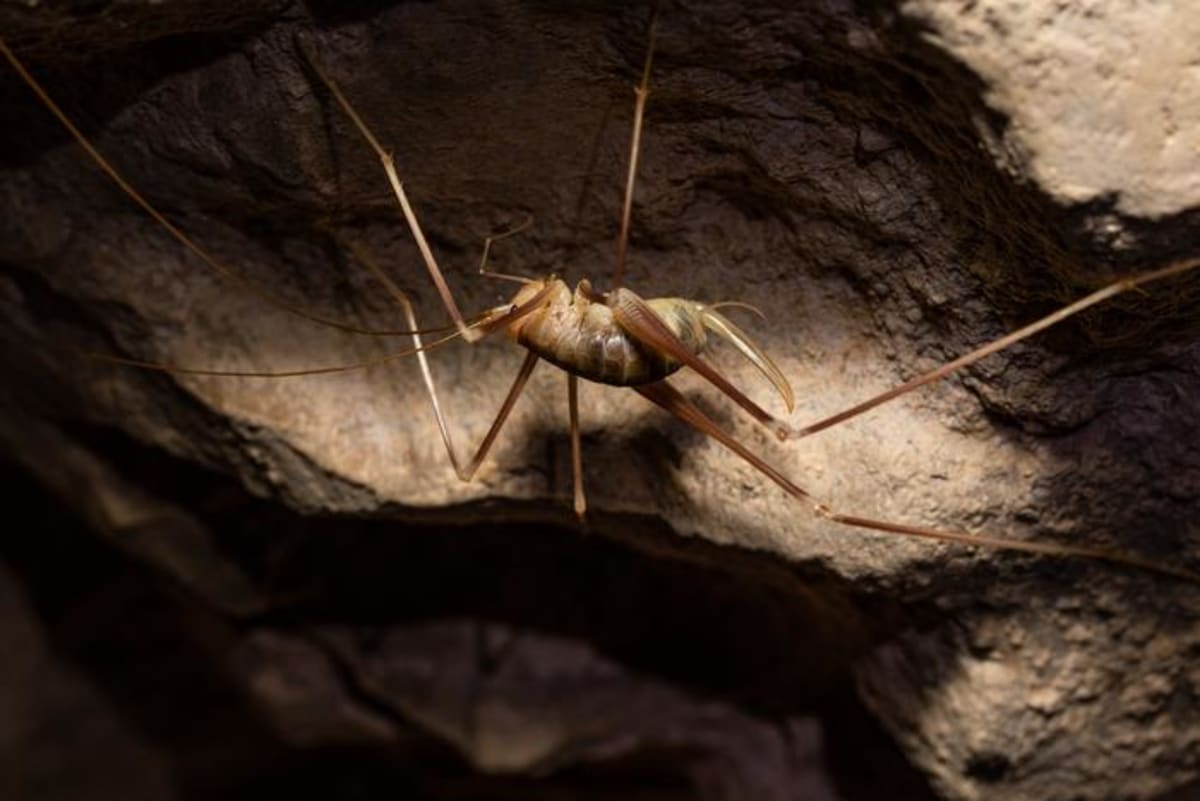
Scientists exploring a man-made tunnel on Kastellorizo discovered a cricket species completely new to science. The island covers just 9 square kilometers, yet it was hiding this unique cave-dwelling insect the whole time.
The researchers named it Dolichopoda balrogi after the Balrog from The Lord of the Rings. In Tolkien's story, that ancient creature remained hidden deep underground until dwarves dug too deep and accidentally found it.
The parallel fits perfectly. Kastellorizo has no natural caves that people can access, so this cricket stayed unknown until humans carved tunnels into Mount Vigla.
Unlike its fictional fire-demon namesake, this cricket is completely harmless. It belongs to a group of cave crickets known for thriving in dark, humid places like caves and underground spaces across southern Europe and the eastern Mediterranean.
Lead researcher Konstantinos Kalaentzis says the discovery carries an important message. "These findings remind us that biodiversity discoveries are not limited to remote tropical forests or deep oceans," he explains. "Even familiar landscapes and human-made structures can harbour species that have remained unnoticed."
Why This Inspires
This tiny cricket's story shows us something hopeful about our world. While we often hear about species disappearing, here's proof that we're still finding new ones in unexpected places.
Kastellorizo sits at a crossroads between Asia and Europe, making it a biodiversity hotspot despite its size. The researchers believe Greece's countless islands, many still poorly studied, likely hold many more hidden species waiting to be found.
The discovery also reveals that artificial structures like old tunnels and abandoned infrastructure can serve as refuges for specialized cave creatures. What humans build doesn't just disrupt nature; sometimes it creates new homes for rare life.
Cave-adapted creatures often live in just one location, making them vulnerable to habitat changes. By finding and documenting these species, scientists take the first crucial step toward protecting them.
The Mediterranean keeps surprising us, and that's genuinely good news for biodiversity.
More Images
Based on reporting by Google News - Scientists Discover
This story was written by BrightWire based on verified news reports.
Spread the positivity!
Share this good news with someone who needs it