Scientists Find New Way to Fight Antibiotic-Resistant Bugs
Researchers discovered how to target a protein found only in bacteria, opening the door to new antibiotics that could outsmart drug-resistant superbugs. The breakthrough focuses on disrupting how bacteria build DNA without harming human cells.
Scientists just cracked the code on a bacterial protein that could become the Achilles heel of antibiotic-resistant infections.
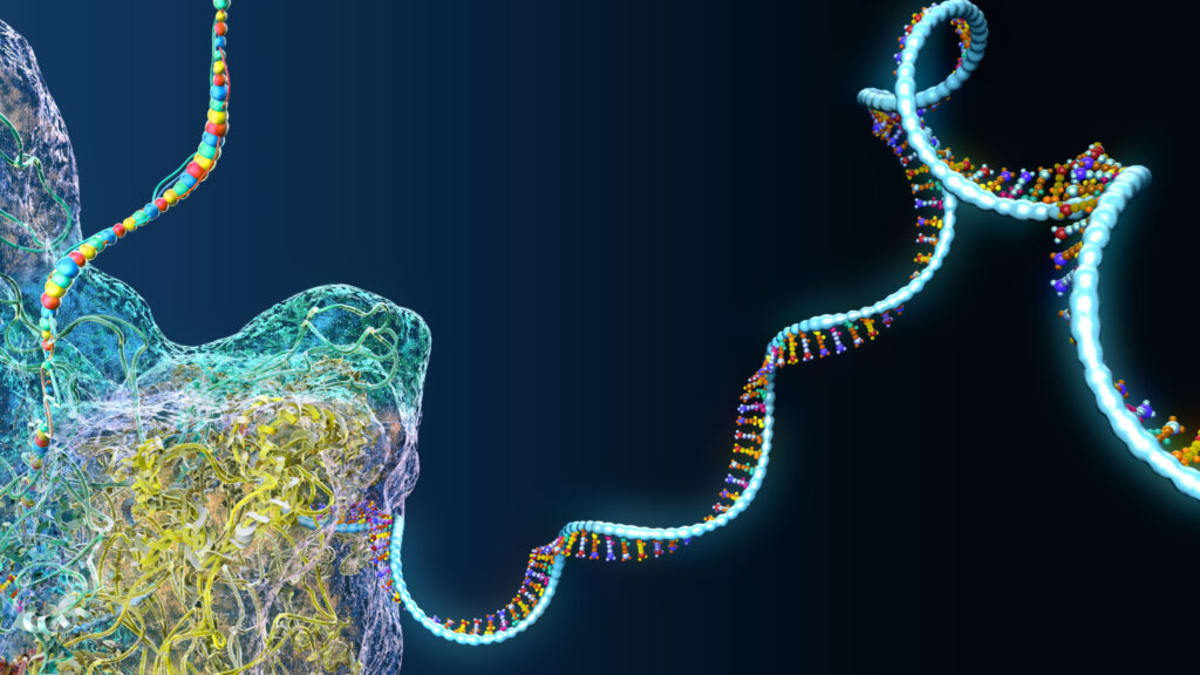
An international research team led by scientists in Barcelona has figured out exactly how a protein called NrdR controls DNA production in bacteria. This protein exists only in bacteria, not in human cells, making it a perfect target for new medicines.
The discovery centers on how bacteria manufacture the building blocks of DNA. Every living cell needs these building blocks to survive and multiply, but bacteria use a unique control system that humans don't have. NrdR acts like a sophisticated thermostat, sensing when bacteria need more DNA ingredients and adjusting production accordingly.
Using powerful microscopes and advanced imaging techniques, researchers captured detailed 3D pictures of NrdR in action. They studied it in two notorious bacteria: E. coli and Pseudomonas aeruginosa, which causes stubborn infections in hospitals and is extremely hard to treat.
The team discovered that NrdR isn't just a simple on-off switch. It's a dynamic sensor that reshapes itself based on the bacteria's needs, responding to molecular signals inside the cell. When researchers disrupted key parts of the protein's structure, they confirmed how these shape changes control whether bacteria can make DNA.
Why This Inspires
This research arrives at a critical moment in global health. Antibiotic resistance kills over a million people worldwide each year, and common infections are becoming increasingly difficult to treat with existing drugs.
The beauty of targeting NrdR lies in its selectivity. Since human cells don't use this protein at all, medicines designed to block it would attack bacteria while leaving our own cells untouched. This means fewer side effects and more effective treatments.
Eduard Torrents, who led the research team, explains the practical impact: attacking this control hub could either kill resistant bacteria outright or make them vulnerable again to antibiotics that stopped working. It's like finding a master key that unlocks multiple doors.
The approach could work against many bacterial species because NrdR appears across different types of dangerous pathogens. This means one new class of drugs could potentially tackle multiple resistant infections, from urinary tract infections to life-threatening pneumonia.
The Ripple Effect
Beyond immediate medical applications, this discovery demonstrates how understanding the intricate details of bacterial biology can reveal unexpected vulnerabilities. The researchers used multiple cutting-edge techniques together, showing how combining different scientific tools can solve problems that stumped scientists for years.
Pharmaceutical companies now have a detailed molecular blueprint to design drugs that specifically interfere with NrdR. The next phase involves developing chemical compounds that can block this protein effectively, then testing them for safety and effectiveness.
A future where today's untreatable infections become manageable again just moved closer to reality.
More Images

Based on reporting by Google News - Breakthrough Discovery
This story was written by BrightWire based on verified news reports.
Spread the positivity!
Share this good news with someone who needs it