Scientists Find New Way to Fight Rare Teen Cancer
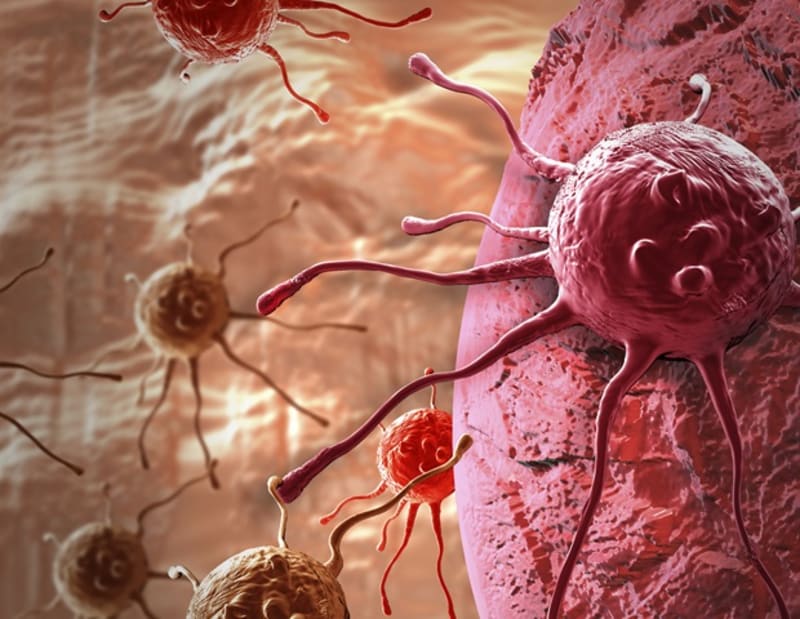
Researchers in Japan discovered a promising treatment for synovial sarcoma, an aggressive cancer affecting teenagers and young adults. The new approach starves cancer cells by blocking their nutrient supply without harming healthy tissue.
Scientists at Osaka Metropolitan University just found a potential breakthrough for treating synovial sarcoma, a deadly cancer that often strikes teenagers and young adults in their arms and legs.
The research team discovered that this aggressive cancer has an unusual hunger for glutamine, an amino acid that fuels rapid cell growth. While surgery can cure the disease if caught early, cancer that spreads to the lungs or other organs becomes extremely difficult to treat with current methods.
Graduate student Tran Duc Thanh and Dr. Naoki Takada led the study testing a drug called V9302 on both lab-grown cancer cells and patient tissue samples. They found that synovial sarcoma cells produce much more of a protein called ASCT2 than other cancers, which acts like a door allowing glutamine to flood into the cells.
When researchers blocked that door with V9302, something remarkable happened. The cancer cells stopped growing and died off, while healthy cells remained largely unharmed.
The team then tested the treatment on mice with synovial sarcoma tumors. The drug suppressed tumor growth without causing serious side effects like weight loss or organ damage, suggesting it could selectively target cancer cells while sparing normal tissue.
Why This Inspires
This research represents a shift in how scientists think about fighting cancer. Instead of only attacking cancer cells directly with toxic drugs, they're learning to simply cut off the fuel supply cancer needs to survive.
For young people facing this rare and aggressive cancer, the discovery offers hope for a treatment option that could work when surgery, radiation, and chemotherapy fail. The approach could potentially help patients whose cancer has spread, giving them fighting chances they didn't have before.
The research is still in early stages, and Dr. Takada emphasized that more studies are needed to confirm the treatment works safely in humans and determine the best way to use it. But the findings published in the journal Cancers mark an important step forward for a disease that desperately needs better options.
Young cancer patients and their families may soon have a powerful new weapon in their fight.
More Images

Based on reporting by Google News - New Treatment
This story was written by BrightWire based on verified news reports.
Spread the positivity!
Share this good news with someone who needs it