Scientists Find New Way to Measure Universe's Expansion
Researchers discovered how to use gravitational waves to solve one of physics' biggest mysteries: why we get different answers when measuring how fast the universe is growing. This breakthrough could finally end the decade-long "Hubble tension" debate.
Scientists just found a promising new way to measure how fast our universe is expanding, and it could solve a puzzle that's been frustrating physicists for years.
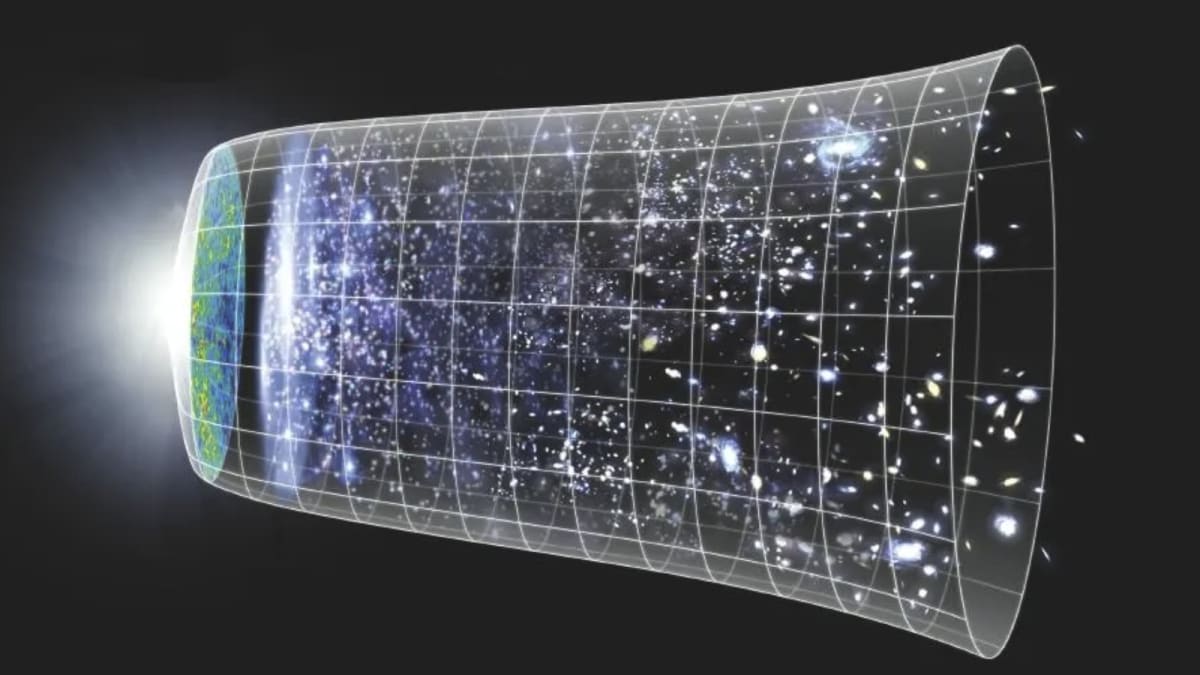
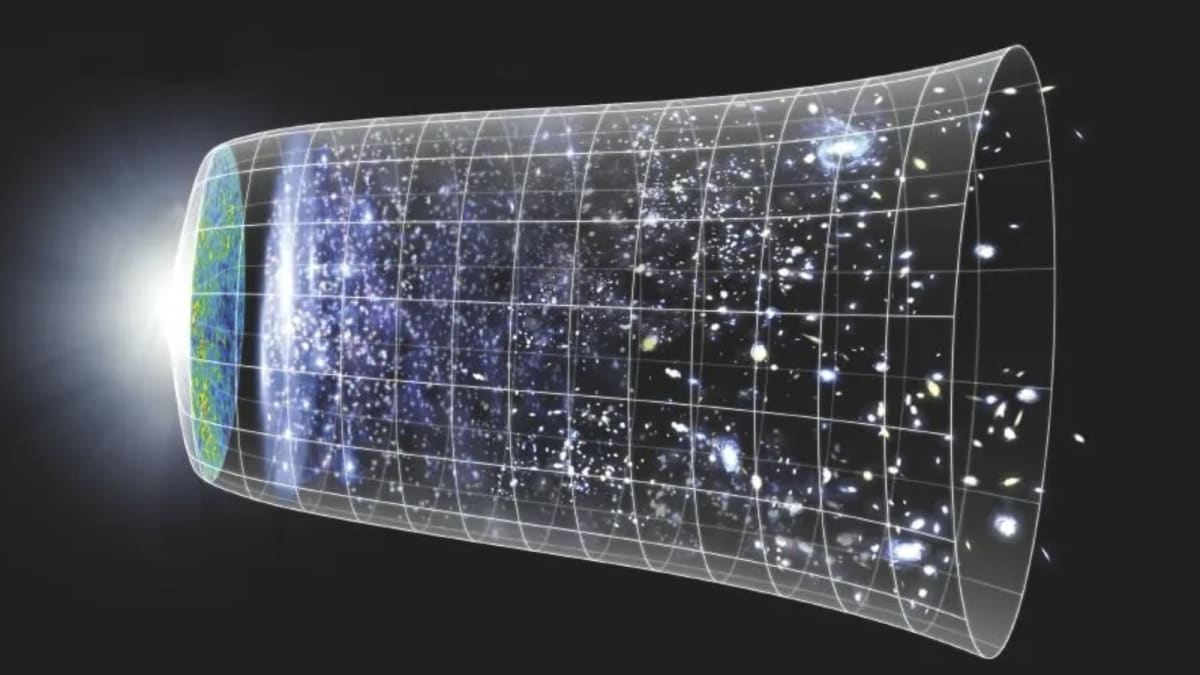
The problem is called the "Hubble tension," and it's pretty straightforward. When scientists measure the universe's expansion rate using exploding stars in our local neighborhood, they get one answer. When they measure the same thing using ancient light from the early universe, they get a completely different answer. Both methods should agree, but they don't.
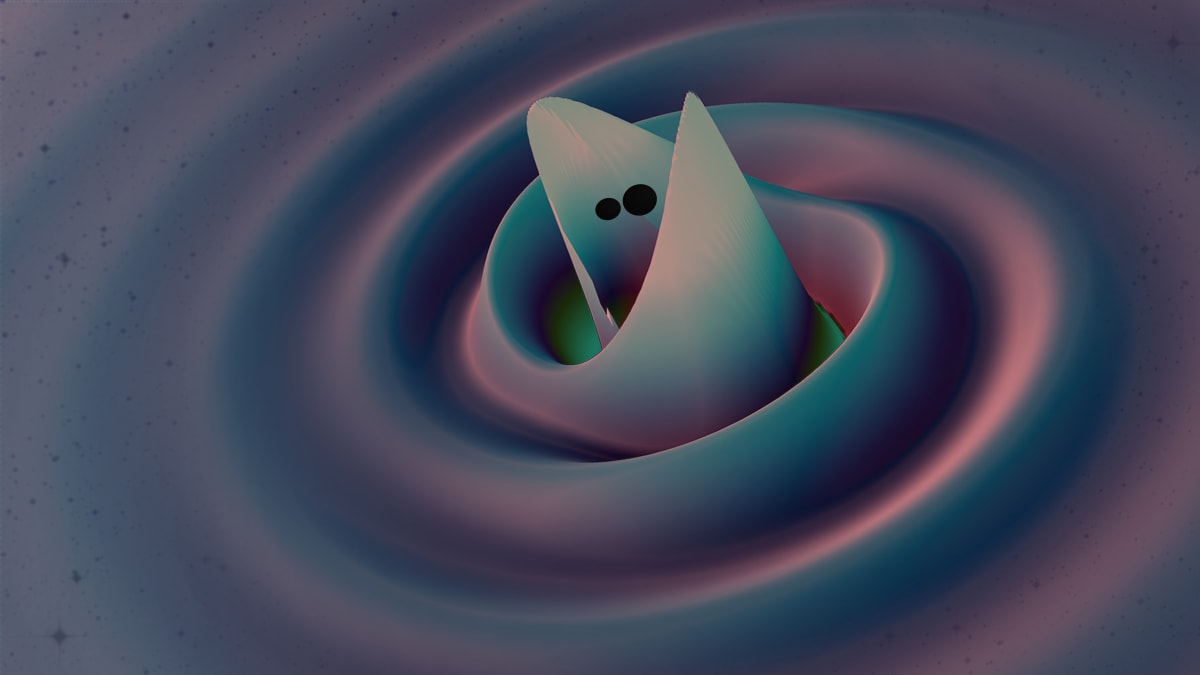
Now researchers from the University of Illinois and the University of Chicago think gravitational waves hold the key. These are ripples in spacetime itself, created when massive objects like black holes collide billions of light-years away.
"This result is very significant," said Nicolas Yunes, who leads the research team. "It's important to obtain an independent measurement of the Hubble constant to resolve the current Hubble tension."
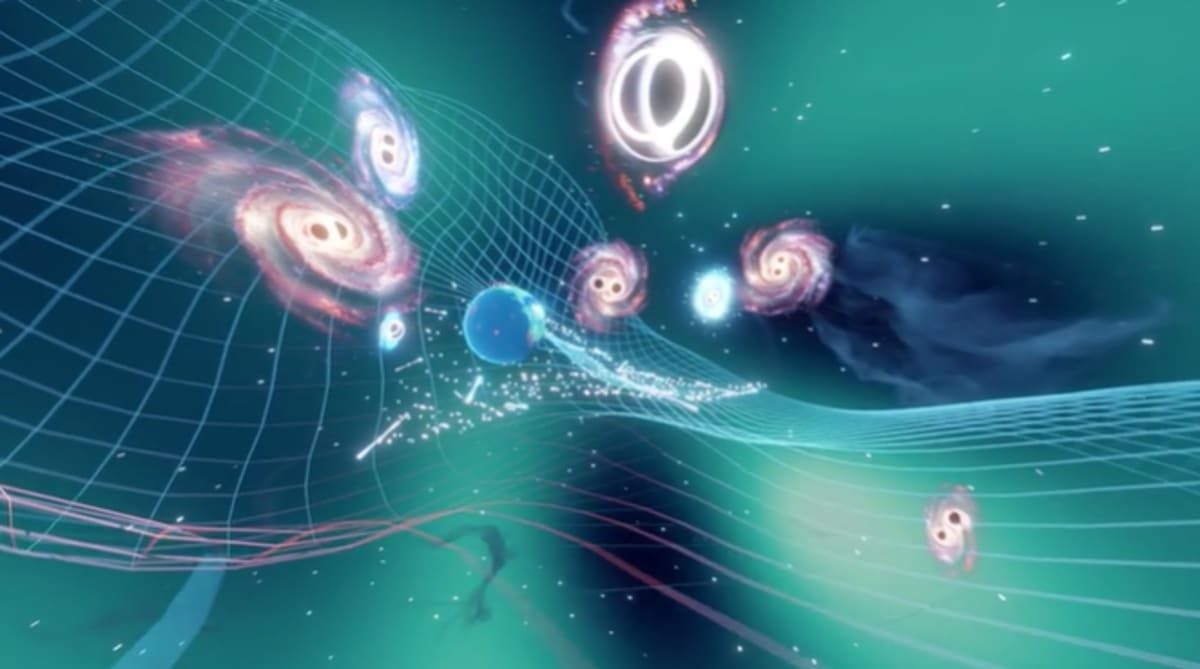
Gravitational waves were first detected in 2015 by an observatory called LIGO. Since then, scientists have spotted dozens of these cosmic ripples from colliding black holes and neutron stars. Each detection is like catching an echo from a massive collision happening across the universe.
The team's approach combines gravitational wave data with traditional light-based observations in what's called "multi-messenger astronomy." By comparing both types of signals from the same cosmic events, they can calculate the expansion rate with unprecedented accuracy.
Previous attempts to use gravitational waves for this measurement weren't precise enough. But the researchers say their new method changes that, and it will only get better as our detectors become more sensitive.
The Ripple Effect
This breakthrough matters beyond just solving an academic debate. Understanding exactly how fast the universe expands helps us comprehend everything from dark energy to the ultimate fate of the cosmos.
Daniel Holz from the University of Chicago put it simply: "It's not every day that you come up with an entirely new tool for cosmology." His team is already looking forward to applying their methods to future datasets.
As gravitational wave detectors around the world continue improving, this technique could become the gold standard for measuring cosmic expansion. What started as a tension between two methods might finally have a referee that both sides can trust.
The universe has been keeping secrets about its growth rate, but now scientists have a powerful new way to listen for answers written in spacetime itself.
More Images

Based on reporting by Space.com
This story was written by BrightWire based on verified news reports.
Spread the positivity!
Share this good news with someone who needs it