Scientists Find New Way to Treat Genetic Cholesterol
Researchers discovered how to lower dangerous cholesterol without relying on damaged receptors, offering hope to 1 in 200 adults with a common genetic disorder. The breakthrough uses human liver cells to test compounds that stop cholesterol particles from forming in the first place.
One in 200 people carries a genetic mutation that quietly fills their bloodstream with cholesterol for decades, often leading to heart attacks before they even know something's wrong. Now scientists at the Medical University of South Carolina have found a completely new way to treat familial hypercholesterolemia that could help millions who've run out of options.
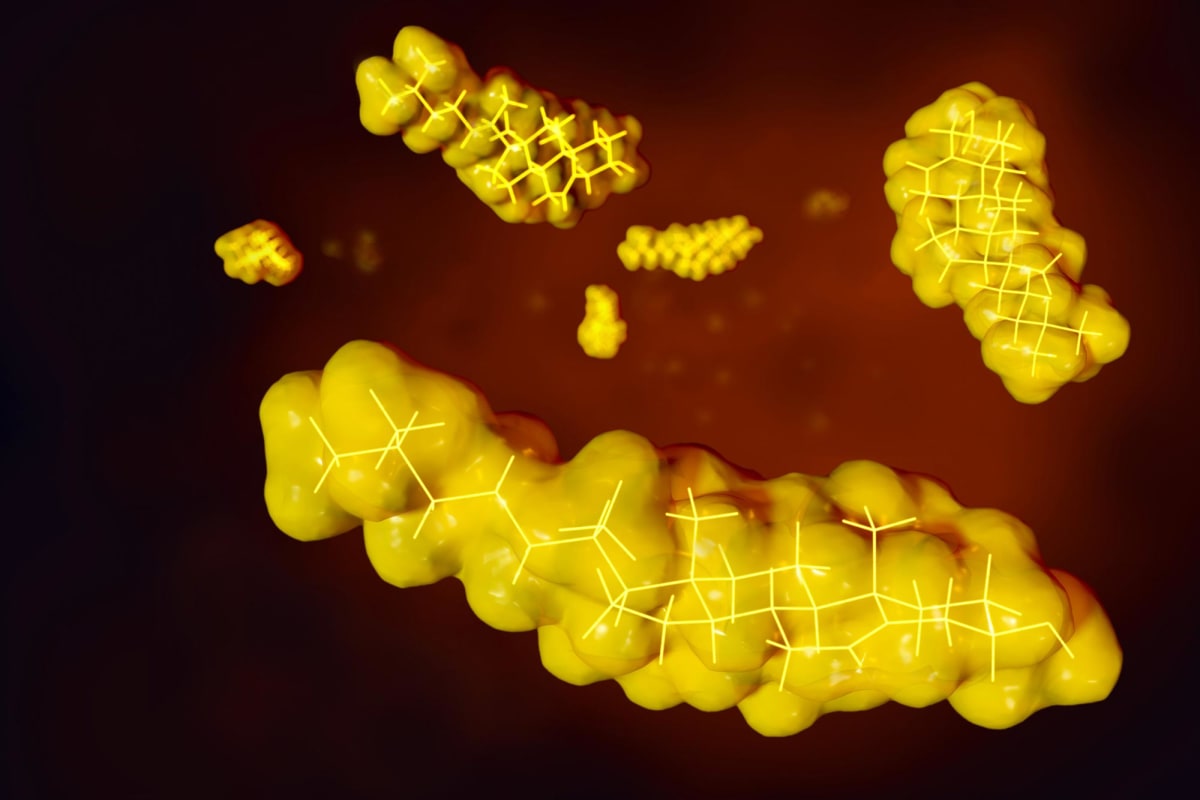
The disorder disrupts the body's natural cholesterol cleanup system. Normally, liver cells use special receptors to pull "bad" cholesterol from the blood and break it down, like docking stations clearing toxic cargo. But when genes for these receptors are damaged, cholesterol builds up unchecked, creating cardiovascular risk that grows silently over time.
For years, statins have been the go-to treatment. But here's the catch: they work by boosting those same receptors. When someone's receptors are severely damaged or missing entirely, the drugs simply can't help.
So the MUSC team flipped the problem. Instead of trying to remove more cholesterol, they asked: what if we could reduce how much gets made in the first place?
Their target was apolipoprotein B, a protein that forms the backbone of cholesterol-carrying particles. Without it, those dangerous LDL particles can't form at all. The approach bypasses broken receptors completely.
To test thousands of potential treatments, researchers needed a system that actually mimics human biology. They created liver-like cells from human stem cells, then screened about 130,000 compounds from the South Carolina Compound Collection. Several molecules dramatically reduced apoB release and lowered cholesterol levels in the lab.
When they tested the compounds in regular mice, nothing happened. Mouse livers process cholesterol differently than human ones do. But in specially engineered "Avatar" mice carrying human liver cells, the compounds worked beautifully, lowering lipid levels just as they had in the lab.
Why This Inspires
This research represents more than just a new drug candidate. It shows how combining stem cell technology with large-scale testing can find treatments tailored to human biology from the start, reducing years of trial and error with animal models that don't quite match.
For patients with severe forms of familial hypercholesterolemia, especially those whose receptors barely function, these compounds could offer the first real path to managing their condition. The approach works independently of the damaged system entirely.
"This shows there is a very feasible way to do drug discovery using a human system," said lead researcher Stephen Duncan. The findings, published in Communications Biology, demonstrate that personalized medicine isn't just a future promise but a current reality.
The team still needs to understand exactly how the compounds work at a molecular level and confirm safety in larger studies. But for millions living with a genetic disorder that's been quietly raising their heart attack risk since birth, this research offers something powerful: a new reason for hope.
More Images

Based on reporting by Google News - Scientists Discover
This story was written by BrightWire based on verified news reports.
Spread the positivity!
Share this good news with someone who needs it