Scientists Find Our Shared Ancestor in Ancient Microbes
Every plant, animal, and human on Earth shares a common ancestor discovered in ancient microbes from deep-sea vents and hot springs. Researchers traced all complex life back to tiny organisms called Asgard archaea, rewriting our understanding of where we came from.
You have more in common with a daisy than you ever imagined.
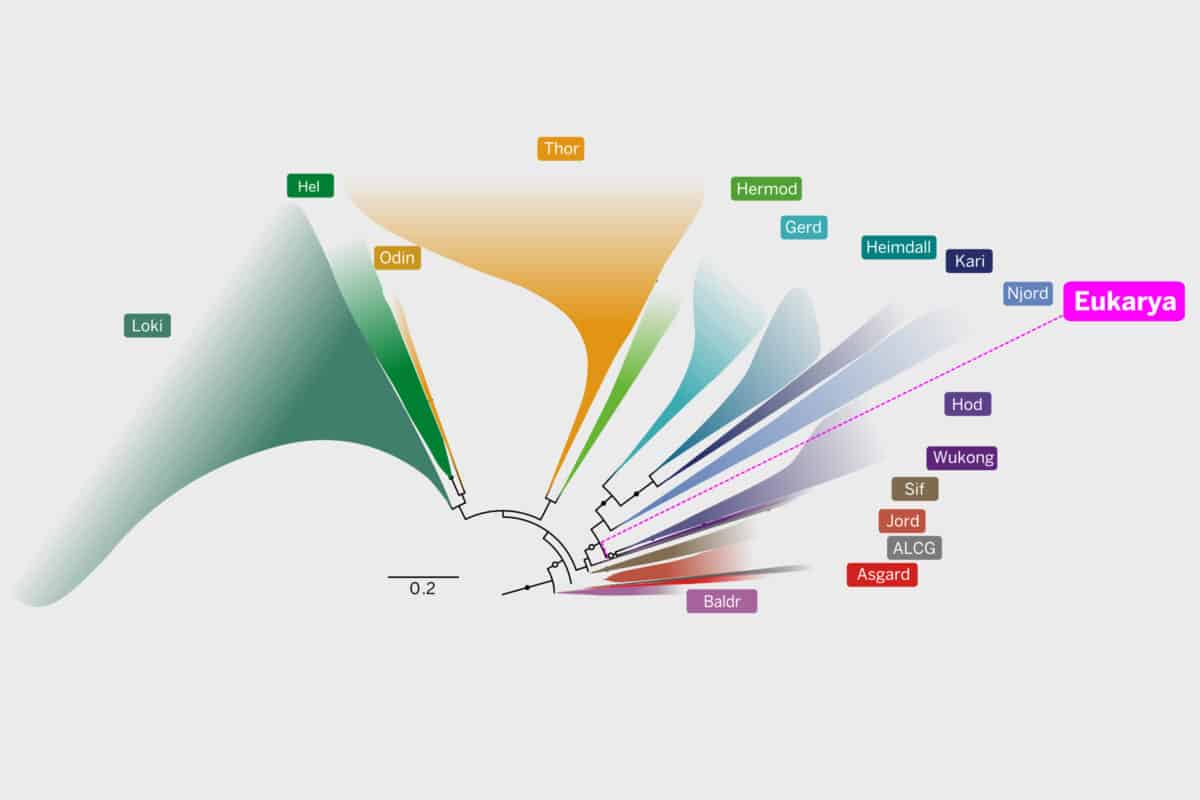
Scientists have traced every complex living thing on Earth, from dogs to eagles to humans, back to a single microscopic ancestor. Researchers at Wageningen University analyzed the genomes of hundreds of ancient microbes and discovered that all eukaryotes (organisms with a cell nucleus) descended from tiny organisms called Asgard archaea.
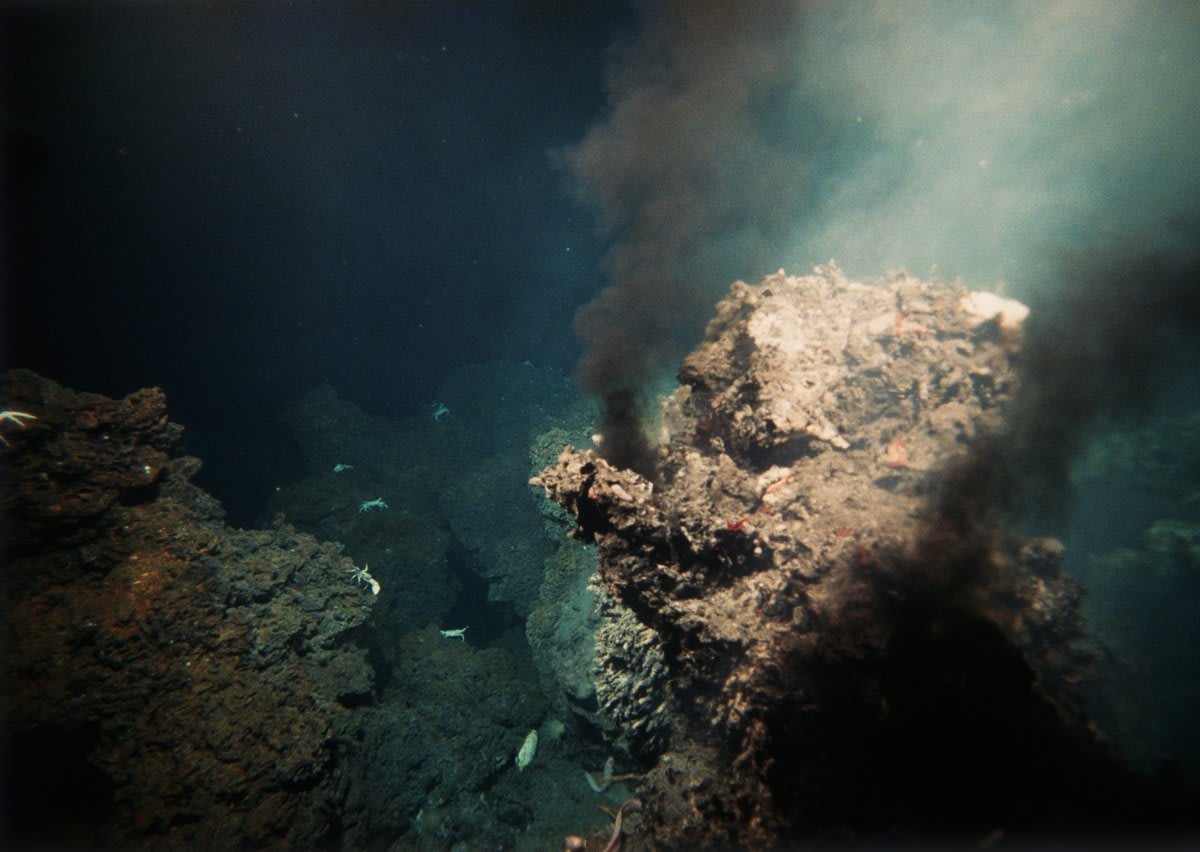
These remarkable microbes live in some of Earth's most extreme environments. Scientists first discovered them in 2010 near a hydrothermal vent in the Arctic Ocean called Loki's Castle, then found related groups in hot springs at Yellowstone National Park, the Colorado River, and deep-sea vents off Japan.
The microbes earned mythological names matching their discovery locations. Lokiarchaeota came from Loki's Castle, while Thorarchaeota was found in North Carolina's White Oak River. Together with Odinarchaeota and Heimdallarchaeota, they form the Asgard superphylum, named after the mythical Norse world.
Growing these ancient organisms in labs remains incredibly challenging because they multiply slowly and need partner microbes to survive. Only a handful of strains have been successfully cultured. But their genetic blueprints tell an amazing story.
Researchers extracted genetic material from environmental samples and pieced together complete genomes. By comparing these ancient blueprints with modern organisms, they created a molecular time machine that reveals how complex life began over 2 billion years ago.
The research team initially identified a group called Hodarchaeales as our closest microbial relatives. But in 2025, broader sampling by Jiawei Zhang's team suggested eukaryotes actually branched from Heimdallarchaeota, an anaerobic organism that lived before Earth's atmosphere contained oxygen.
Why This Inspires
This discovery reminds us that all living things share an unbroken thread stretching back billions of years. The same genetic machinery that powers a microbe in a hydrothermal vent also powers you, connecting every form of complex life in one vast family tree.
Scientists continue refining their understanding as new samples emerge from extreme environments worldwide. In 2026, the original research team corrected their analysis and reconfirmed the deep connection between Asgard archaea and all complex life, even as details about exact family relationships remain under investigation.
This isn't just academic trivia. Understanding where complex life came from helps scientists grasp how life adapts, evolves, and survives in challenging conditions. The fact that these ancient ancestors still exist in extreme environments today shows the incredible resilience woven into life itself.
We're all Asgardians, carrying genetic echoes of microbes that thrived billions of years ago in Earth's harshest places.
More Images
Based on reporting by Google News - Scientists Discover
This story was written by BrightWire based on verified news reports.
Spread the positivity!
Share this good news with someone who needs it