Scientists Find Way to Stop Aggressive Childhood Cancer
Researchers at Linköping University discovered how to block two proteins that fuel neuroblastoma, a devastating childhood cancer that resists current treatments. The breakthrough could lead to new precision medicines for kids under two.
Scientists just cracked a problem that has stumped cancer researchers for decades, and it could save the lives of thousands of young children.
A team at Linköping University in Sweden figured out how to stop two rogue proteins from working together to fuel neuroblastoma, an aggressive cancer that primarily strikes children under two years old. About half of high-risk cases don't respond to existing treatments, making this discovery especially critical for desperate families.
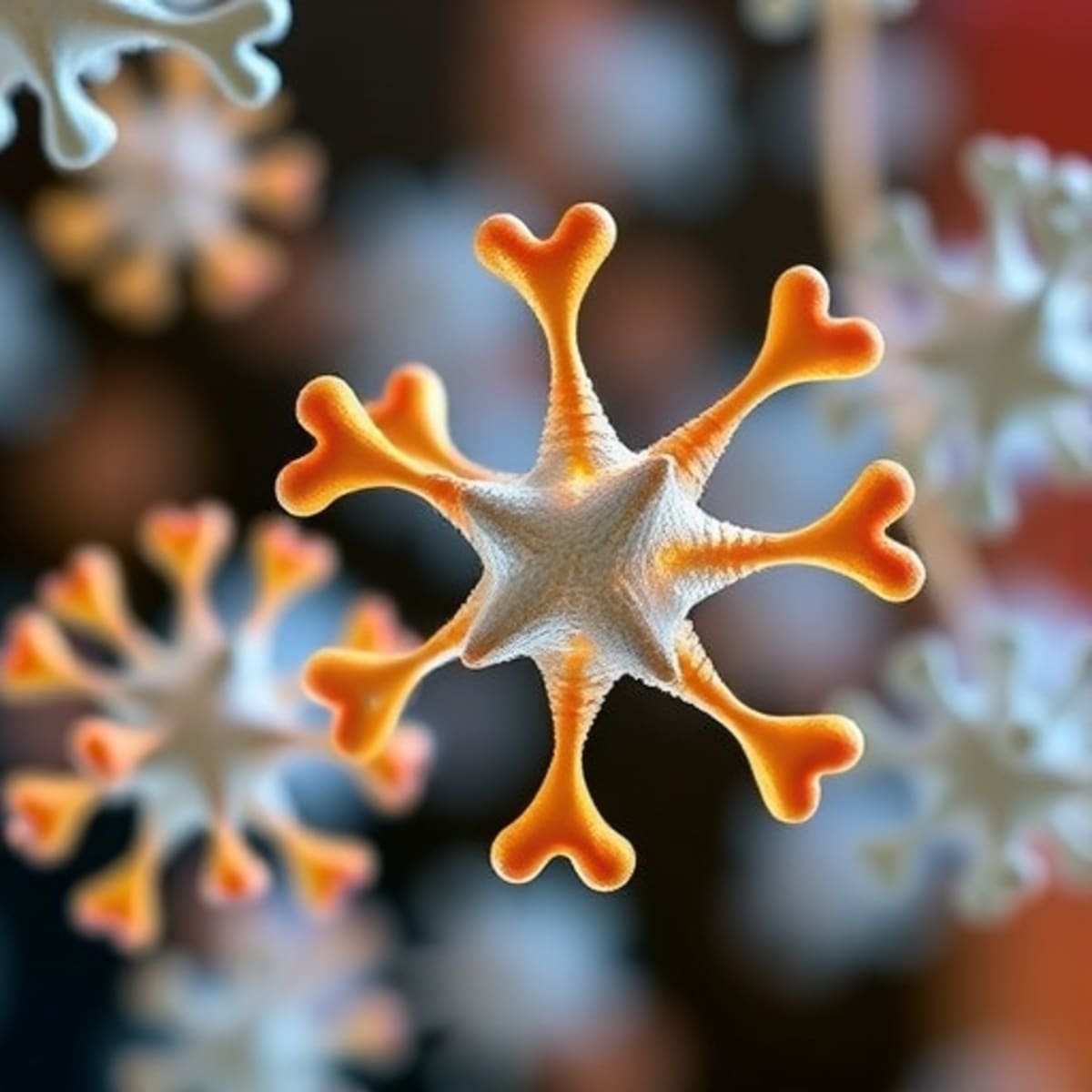
The challenge was targeting a protein called N-MYC, which drives tumor growth but constantly changes shape like a molecular shapeshifter. Traditional drug design requires stable targets with fixed structures, making N-MYC seem impossible to stop.
Professor Maria Sunnerhagen's team used a clever combination of advanced imaging, artificial intelligence, and biochemical testing to map exactly where N-MYC connects with another cancer protein called Aurora A. By understanding this handshake between the two proteins, they found a way to break them apart.
The researchers identified a small molecule that successfully separates N-MYC from Aurora A without damaging healthy cells. This precision matters because MYC proteins also control normal cell growth, so blocking them completely would cause serious side effects.
Dr. Johanna Hultman, who led the experimental work, called N-MYC a "worthy opponent" that required years of persistence to understand. The team collaborated with cancer biology experts at the University of Toronto to move from laboratory discovery toward potential treatments.
The Ripple Effect
This breakthrough extends far beyond neuroblastoma. MYC proteins drive many different cancers across all age groups, but they've been considered "undruggable" for so long that many researchers gave up trying. By proving these slippery proteins can be targeted with the right approach, this work opens doors for treating multiple cancer types.
The study also showcases how combining traditional laboratory science with artificial intelligence can solve problems that seemed impossible just a few years ago. As computers get more powerful and experimental methods improve, researchers can now see and map molecular interactions that were previously invisible.
The team published their findings in Nature Communications and plans to work with clinical researchers to develop actual medicines. While human trials remain years away, families facing childhood cancer now have something they desperately need: hope backed by solid science.
This discovery proves that even the most elusive medical challenges can fall when scientists refuse to give up and embrace new tools.
More Images
Based on reporting by Google News - Breakthrough Discovery
This story was written by BrightWire based on verified news reports.
Spread the positivity!
Share this good news with someone who needs it