Scientists Find Way to Stop Chemo-Resistant Cancer Return
Cambridge researchers discovered why lung and ovarian cancers return after chemotherapy and found a promising way to stop it. The breakthrough could help millions of patients facing cancer recurrence.
Scientists just solved a puzzle that's frustrated cancer doctors for decades: why tumors sometimes come back stronger after chemotherapy seems to work.
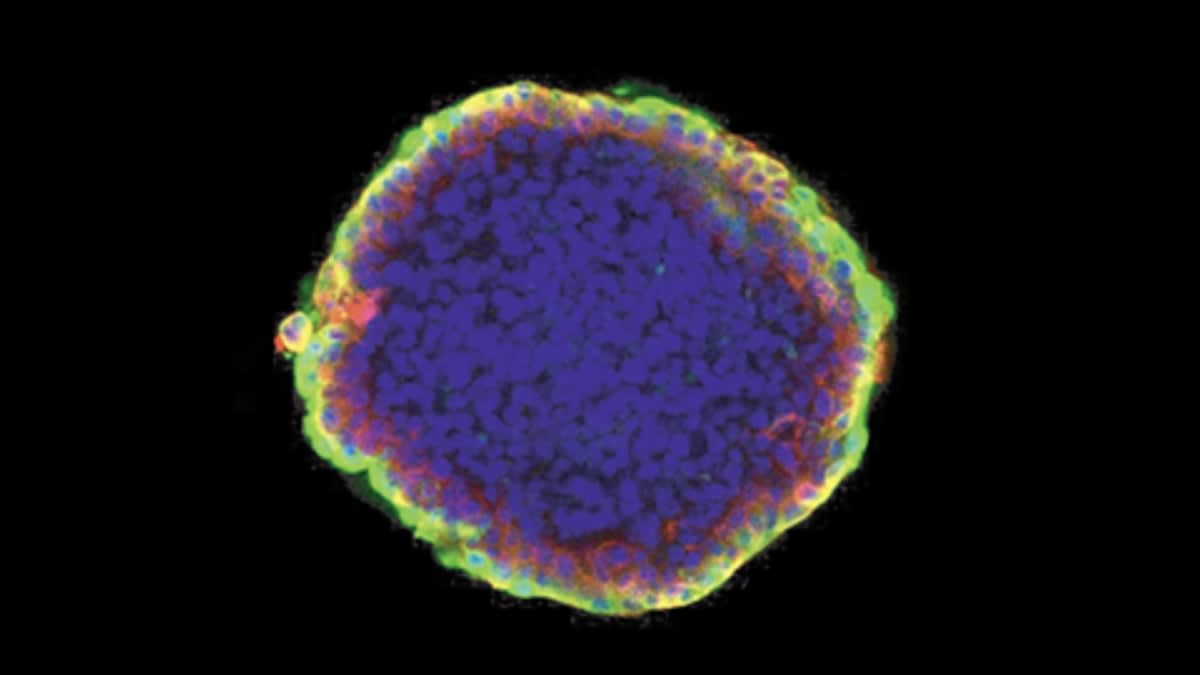
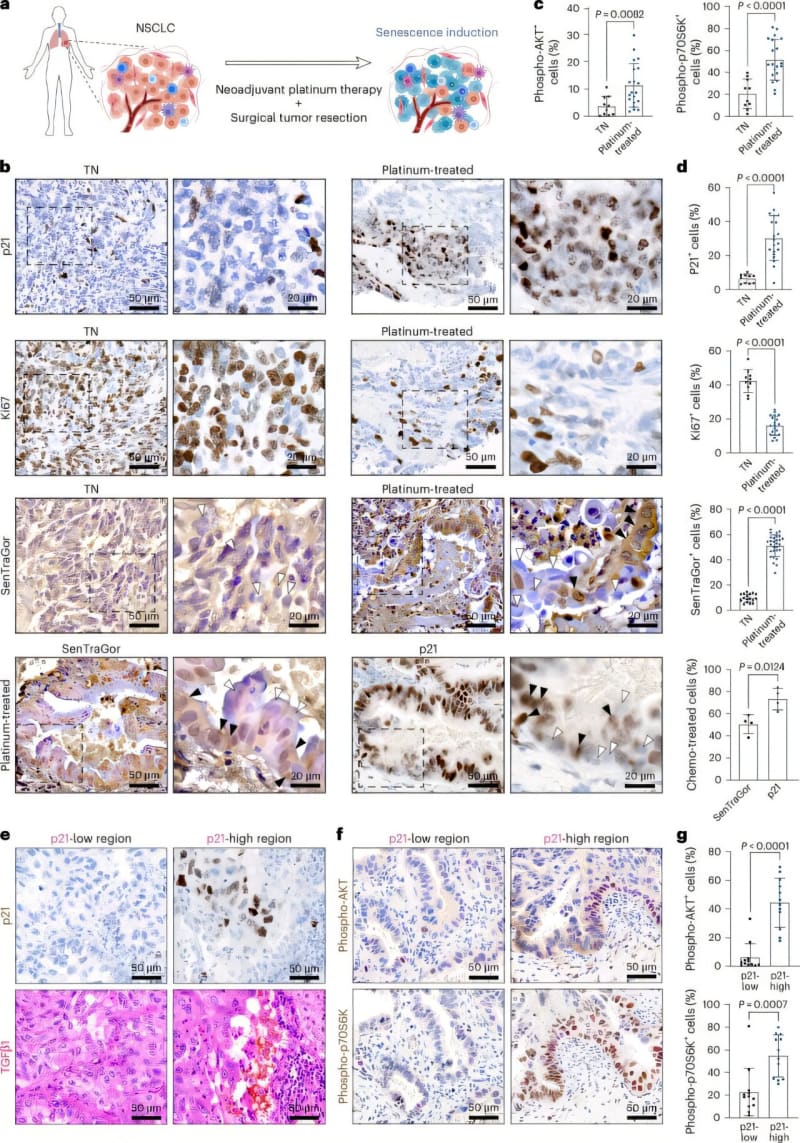
Researchers at Cambridge University discovered that platinum-based chemotherapy creates "zombie cells" that refuse to die completely. These senescent cells stay alive in tumors but stop dividing, releasing a protein called TGFβ that acts like a shield for nearby cancer cells.
The study focused on non-small cell lung cancer and high-grade serous ovarian cancer, two aggressive forms that often return after treatment. When doctors analyzed patient data, they found tumors showing these zombie cell features led to worse outcomes in both cancer types.
Here's where it gets interesting. The research team tested different chemotherapy drugs and found this protective effect happened mainly with platinum-based treatments like cisplatin. Other cancer drugs also created senescent cells, but they didn't trigger the same tumor-protecting response.
Age played a surprising role too. Middle-aged mice showed more aggressive tumor growth than younger ones after treatment, suggesting the combination of aging and chemotherapy damage creates better conditions for cancer to bounce back.
The Bright Side
The real breakthrough came when researchers tested two approaches to neutralize these zombie cells. Blocking the TGFβ protein they release or removing the senescent cells entirely with senolytic drugs stopped the tumor-promoting effects completely.
Professor Ljiljana Fruk, who contributed to the international collaboration, explained this changes how scientists view senescence. "Senescence is increasingly recognized as an active component of cancer biology rather than a passive treatment by-product," she said. The work identifies potential interventions that could reduce recurrence rates.
The findings suggest combining standard platinum chemotherapy with drugs targeting senescent cells could make treatments work better long-term. While clinical trials are needed before patients benefit, identifying this specific driver of chemotherapy resistance marks an important step toward more precise cancer care.
The research team published their findings in Nature Aging this month after peer review. Scientists from the Early Cancer Institute and Cancer Research UK Cambridge Institute led the international collaboration.
For the millions facing lung and ovarian cancer diagnoses each year, this research offers something powerful: hope that doctors might soon prevent the heartbreak of cancer coming back after treatment appeared successful.
More Images


Based on reporting by Medical Xpress
This story was written by BrightWire based on verified news reports.
Spread the positivity!
Share this good news with someone who needs it