Scientists Find Weak Spot in Deadly Diarrhea Bacteria
Researchers discovered a shared vulnerability in bacteria that kill thousands of children yearly, opening the door to a single vaccine against multiple deadly gut infections. The breakthrough targets how these pathogens break through the gut's natural defenses.
Scientists may have just found the key to stopping infections that kill thousands of children every year and sicken hundreds of millions more.
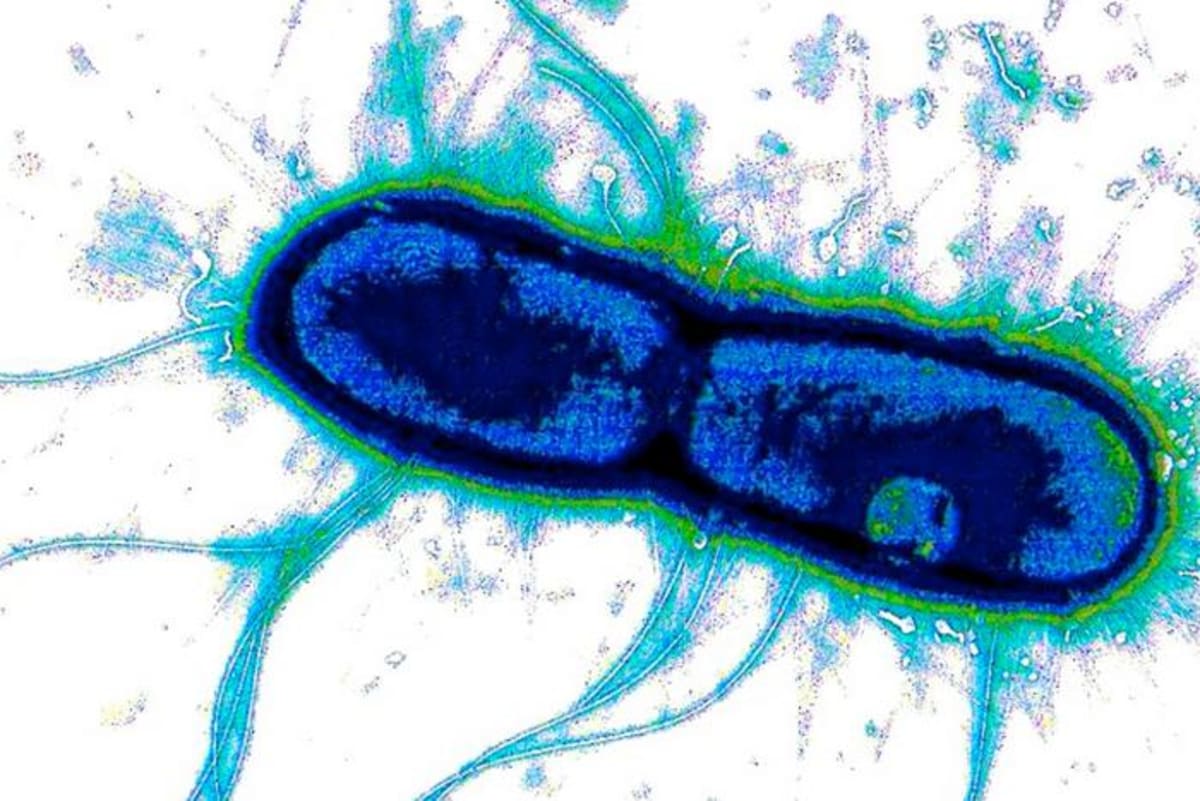
Researchers at Washington University School of Medicine discovered that the bacteria behind traveler's diarrhea and Shigella infections share a common weak spot. Both pathogens use nearly identical enzymes to slice through the protective mucus lining the intestines, and antibodies that block one enzyme can stop all three.
This matters because these infections are devastating. Together, enterotoxigenic E. coli and Shigella cause hundreds of millions of cases annually and rank among the top killers of children in developing countries. Yet despite decades of effort, no vaccine exists for either pathogen.
The problem has always been variation. Traditional vaccine targets differ too much between bacterial strains, making it nearly impossible to create broad protection. But this new approach sidesteps that challenge entirely.
Dr. James Fleckenstein and his team studied infected patients in Bangladesh and volunteers who were intentionally exposed to the bacteria in controlled settings. They found that people who naturally developed antibodies against an enzyme called EatA were protected from illness, while those without these antibodies got sick.
Then they discovered something remarkable. The same antibodies that neutralized EatA also disabled two related enzymes, SepA and Pic, used by Shigella and other dangerous bacteria. Using advanced imaging technology, researchers at the University of Missouri pinpointed exactly where these antibodies attach to all three enzymes.
The Ripple Effect
The impact could reach far beyond developing nations. Enterotoxigenic E. coli has triggered major foodborne outbreaks in the United States, often going unrecognized because most labs cannot distinguish it from harmless E. coli strains.
Current treatment relies heavily on antibiotics, which accelerates antibiotic resistance worldwide. A vaccine would cut that dependence dramatically while saving countless lives.
Studies of children in Dhaka showed clear evidence that natural immunity works. Kids who developed antibodies against these enzymes stayed healthy, proving the immune system can successfully fight these infections when it targets the right spot.
The research team is now working toward actual vaccine development. By identifying the precise region where protective antibodies attach, they have created a blueprint for designing a vaccine that trains the immune system to produce these defenses before infection ever occurs.
One vaccine could potentially protect against multiple deadly pathogens by blocking their shared strategy for breaching gut defenses. This approach leaves beneficial gut bacteria untouched while stopping harmful invaders at their first point of attack.
The bacteria have evolved alongside humans for millennia, perfecting their invasion tactics, but scientists may have finally found their Achilles heel.
More Images
Based on reporting by Google News - Researchers Find
This story was written by BrightWire based on verified news reports.
Spread the positivity!
Share this good news with someone who needs it