
Scientists Find Why 10% Don't Respond to Diabetes Drugs
Researchers discovered genetic variants in 1 in 10 people explain why popular diabetes medications like Ozempic don't work for everyone. This breakthrough could help doctors predict treatment success and develop better alternatives.
Millions of people with type 2 diabetes take GLP-1 drugs like Ozempic and Wegovy, but doctors have long puzzled over why these medications work brilliantly for some patients and barely help others. Now scientists have cracked the code.
An international research team discovered that about 10 percent of people carry variants in a gene called PAM that makes their bodies resistant to GLP-1 treatments. This genetic quirk prevents the drugs from properly regulating blood sugar, even when they're taken correctly.
Dr. Mahesh Umapathysivam, an endocrinologist at Adelaide University, sees this variation daily in his diabetes clinic. He treats patients with identical diagnoses who respond completely differently to the same medication, making treatment feel like guesswork.
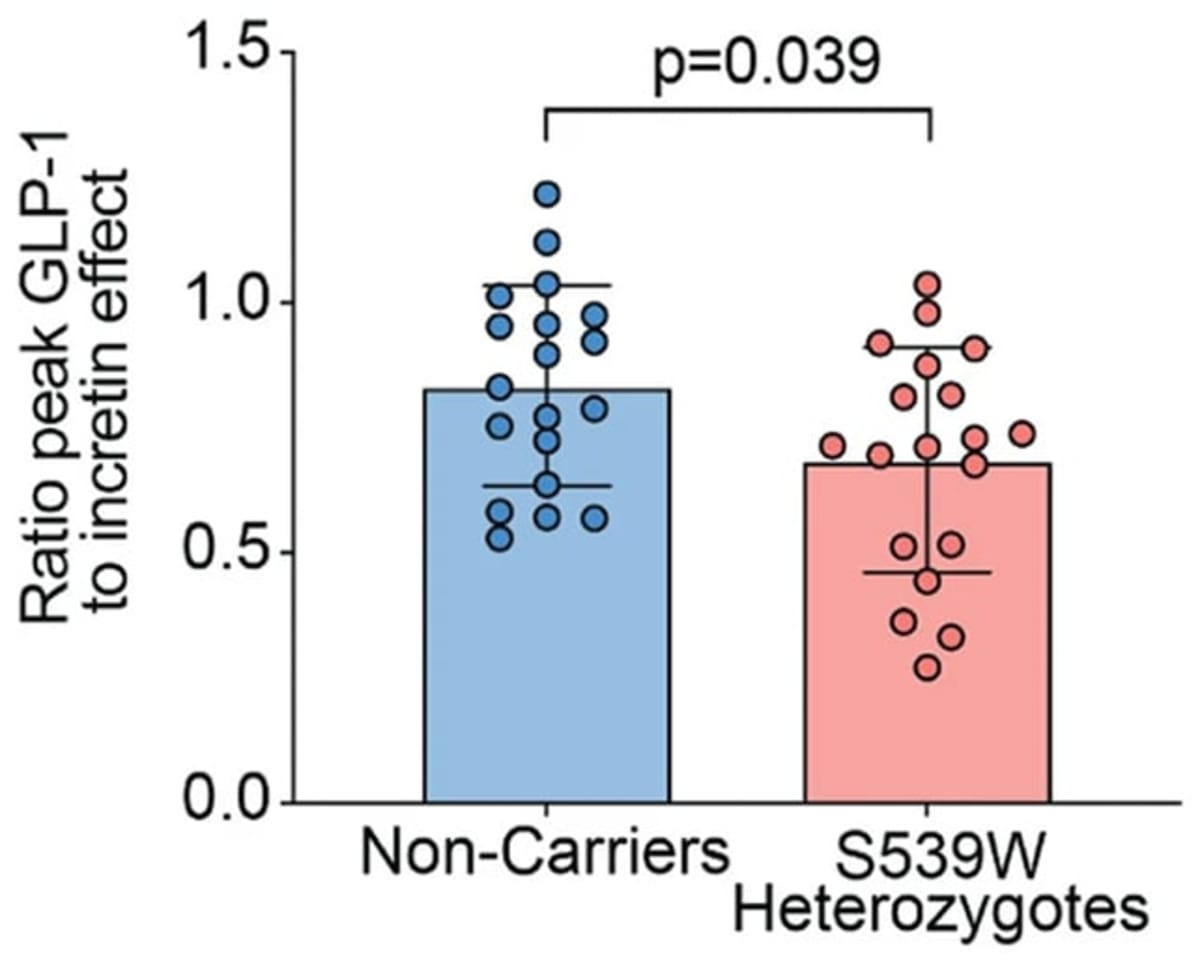
The research team compared 19 people with the PAM gene variant to 19 without it, giving everyone a sugary drink to see how their bodies responded. The results surprised everyone: people with the variant actually had higher levels of GLP-1 in their blood, but it wasn't doing its job.
Think of it like having a key that doesn't quite fit the lock. The PAM variant creates GLP-1 that can't activate properly in the body, so blood sugar stays elevated despite plenty of the hormone floating around.
To confirm their findings, researchers tested mice without the PAM gene and saw the same resistance pattern. They then analyzed clinical trials covering 1,119 participants and found people with standard PAM genes consistently responded better to GLP-1 medications than those with variants.
The Bright Side shines clearly here. This discovery means doctors could soon use simple genetic tests to predict whether GLP-1 drugs will work before prescribing them, saving patients months of trial and error plus thousands of dollars on ineffective treatments.
Even better, pharmaceutical companies can now work on modified versions of GLP-1 medications that bypass this genetic resistance. Researchers suggest longer-acting formulations or entirely new drugs that sensitize people to GLP-1 might solve the problem.
Dr. Anna Gloyn from Stanford University points out that drug companies already collect genetic data during trials, making it easy to identify poor responders and develop targeted solutions for them.
For the first time, people whose bodies don't respond to these popular medications have an answer and hope for better options ahead.
More Images


Based on reporting by Google News - Health
This story was written by BrightWire based on verified news reports.
Spread the positivity!
Share this good news with someone who needs it